2025 Top Trends in Prefab Steel Homes for Modern Living Solutions
In recent years, the construction industry has witnessed a significant shift towards innovative living solutions, with prefab steel homes emerging as a leading trend. According to a report by Allied Market Research, the global prefabricated construction market is expected to reach $225 billion by 2025, driven by the growing demand for cost-effective, sustainable, and quick-to-assemble housing options. The efficiency of prefab steel homes not only meets the needs of modern living but also aligns with environmentally conscious practices, as steel is one of the most recyclable materials available.
Industry expert Dr. Jane Harmon, a notable figure in sustainable construction, emphasizes the potential of prefab steel homes to revolutionize the housing market. She states, "Prefab steel homes offer unparalleled flexibility and durability, making them an ideal choice for both urban and rural developments." As we move towards 2025, the integration of advanced technologies in the production and design of prefab steel homes is set to enhance their appeal. From improved energy efficiency to aesthetic customization, the possibilities are limitless, catering to the diverse needs of future homeowners.
With the increasing urbanization and the urgency for affordable housing, prefab steel homes stand at the forefront of modern living solutions. The trends shaping this sector promise to redefine not only how we build but also how we live, offering a glimpse into a more sustainable and efficient future for residential construction.
Emerging Design Aesthetics in Prefab Steel Homes for 2025
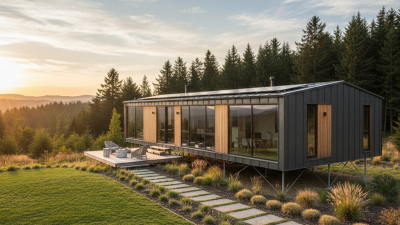
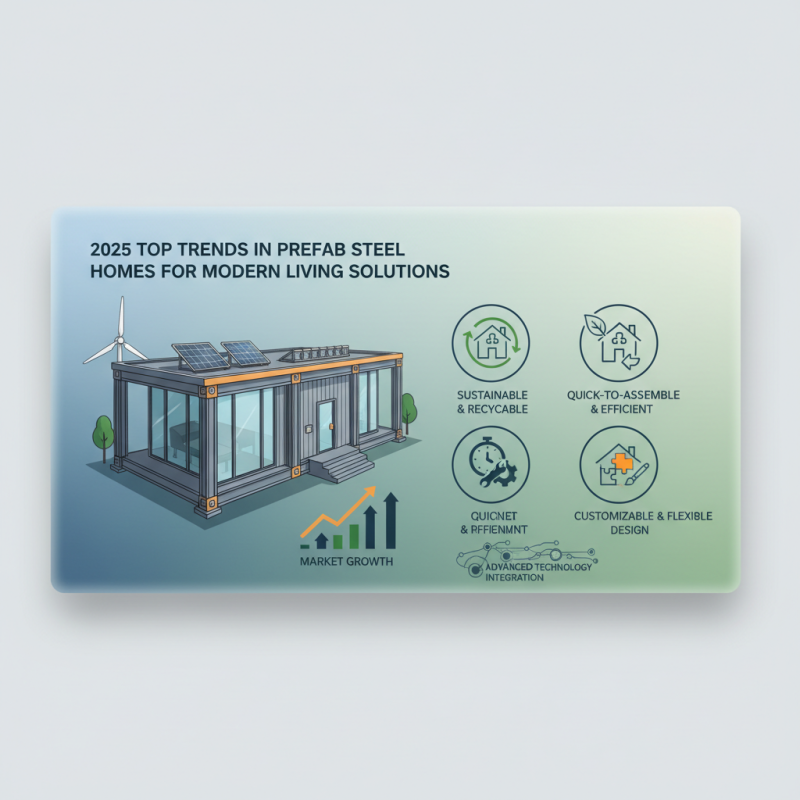
As we look ahead to 2025, the design aesthetics of prefab steel homes are poised to transform modern living. Emerging trends emphasize sustainability, minimalism, and flexibility, catering to the needs of a diverse demographic. According to a recent market report, the prefab steel home industry is expected to grow at a CAGR of 6.5% by 2025, reflecting a significant shift in consumer preferences towards environmentally friendly and cost-effective housing solutions. This growth is largely driven by advancements in technology and materials that enhance the aesthetic appeal of steel homes, allowing for sleek, contemporary designs that blend seamlessly with natural surroundings.
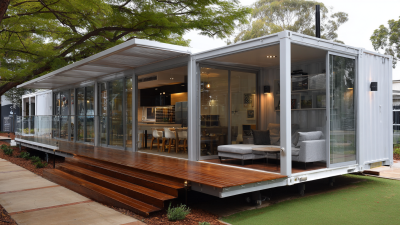
Incorporating biophilic design elements is another emerging trend that is gaining traction. Homeowners are increasingly seeking to connect their living spaces with nature, using large windows, green roofs, and outdoor living areas to create harmonious environments. Data from the Global Prefab Housing Association indicates that 45% of new prefab constructions include such elements, highlighting a commitment to enhancing both visual appeal and occupant well-being.
Tips: When considering a prefab steel home, focus on energy-efficient designs that incorporate sustainable materials. Additionally, prioritize space flexibility to accommodate future needs, as this will not only enhance your quality of life but also increase your property’s value over time. Utilizing smart home technology will further elevate the functionality and convenience of modern living spaces.
2025 Top Trends in Prefab Steel Homes for Modern Living Solutions
| Trend |
Description |
Key Features |
Impact on Living |
| Sustainable Materials |
Incorporation of recycled and eco-friendly materials. |
Low carbon footprint, improved insulation. |
Promotes a healthier living environment. |
| Smart Home Technology |
Integration of IoT devices for enhanced convenience. |
Automated lighting, security, and climate control. |
Increases energy efficiency and security. |
| Open Floor Plans |
Design focusing on spacious, multi-functional living areas. |
Flexible layouts, minimal interior walls. |
Fosters social interaction and adaptability. |
| Vertical Gardens |
Use of vertical spaces for planting to enhance air quality. |
Green walls, improved aesthetics. |
Connects residents with nature. |
| Modular Designs |
Flexible building modules for tailored living solutions. |
Quick assembly, customizable layouts. |
Provides personalized living experiences. |
Innovative Sustainability Practices in Prefab Steel Construction
The rise of prefab steel homes is reshaping modern living, particularly through innovative sustainability practices that underscore environmental responsibility. According to a report by the Global Prefabrication Market, the industry is projected to reach $174 billion by 2025, driven largely by the demand for sustainable solutions in construction. One of the most significant trends is the use of recycled materials in prefab steel homes. Steel, known for its durability and recyclability, is increasingly sourced from recycled steel scrap, reducing the overall environmental footprint. This approach not only minimizes waste but also conserves energy—producing steel from recycled materials can save up to 75% of the energy required for virgin steel production.
Another prominent sustainability practice in prefab steel construction is the integration of energy-efficient designs and technologies. Prefab homes are often engineered to maximize natural light, reducing reliance on artificial lighting and lowering energy consumption. Additionally, advancements in insulation materials and techniques mean that these homes maintain comfortable temperatures, further decreasing the need for heating and cooling systems. Reports indicate that implementing such energy-efficient measures can reduce total energy usage in residential buildings by up to 30%, contributing to significant carbon footprint reductions. These innovative practices position prefab steel homes as a leading choice for environmentally conscious consumers seeking modern living solutions.
Technological Advancements Enhancing Prefab Steel Living Spaces
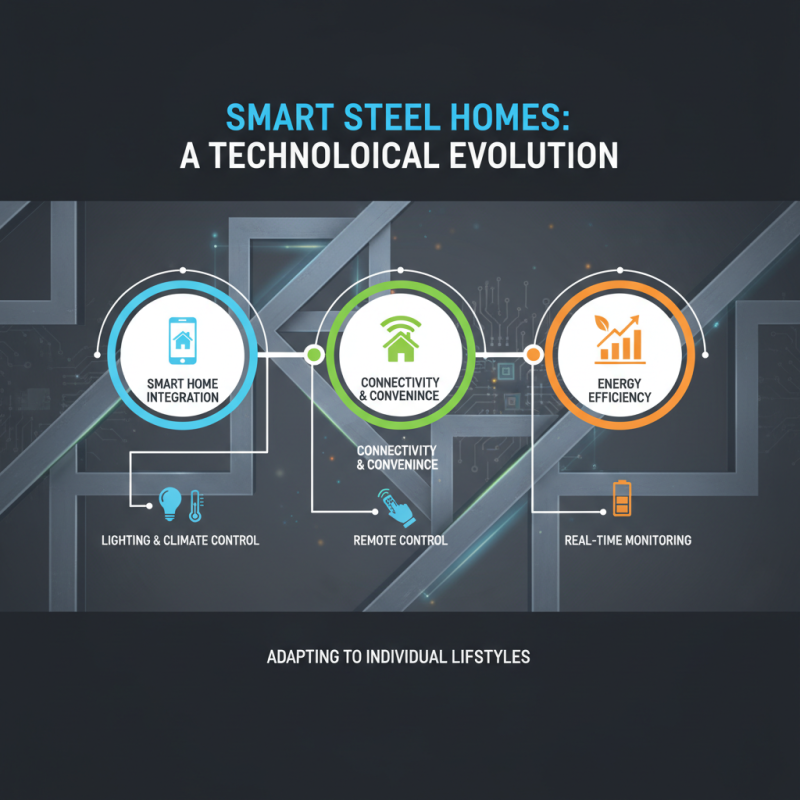
The realm of prefab steel homes is embarking on a transformative journey, significantly shaped by technological advancements that enhance modern living solutions. One of the most notable trends is the integration of smart home technology, allowing residents to control various aspects of their homes—from lighting to climate—through their smartphones. This level of connectivity not only boosts convenience but also optimizes energy efficiency, enabling occupants to monitor and adjust their consumption in real-time. These innovations are making steel homes not just places to live but smart ecosystems that adapt to individual lifestyles.
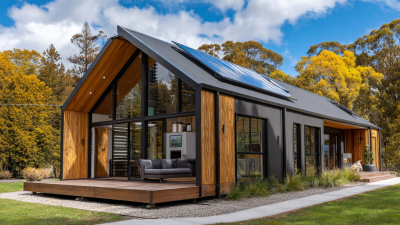
Moreover, advancements in construction technology are making prefab steel homes more customizable and sustainable. Cutting-edge design software and 3D modeling tools allow homeowners to visualize their living spaces in intricate detail before construction begins. This means greater personalization, as customers can tailor layouts, finishes, and functional designs to fit their specific needs. Additionally, the use of environmentally friendly materials and energy-efficient systems, such as solar panels and advanced insulation, is becoming more prevalent. This shift is not only addressing eco-conscious consumers’ demands but is also aligning with global efforts towards sustainable living, making prefab steel homes an attractive option for modern lifestyles.
Cost-Efficiency and Affordability Trends in Prefab Steel Homes
Prefabricated steel homes are emerging as a prominent solution for modern living, particularly due to their cost-efficiency and affordability. As the housing market continues to face challenges such as rising material costs and labor shortages, prefab steel homes offer a streamlined construction process that significantly reduces overall expenses. By utilizing advanced manufacturing techniques, these homes are built in controlled environments, minimizing delays and material waste. This efficient approach can lead to savings that are often passed on to consumers, making homeownership more accessible for a broader range of individuals and families.
Furthermore, the versatility and durability of steel structures contribute to their financial appeal. Steel homes can be designed to suit various aesthetic preferences while maintaining low long-term maintenance costs. Energy efficiency is another key factor; many modern prefab designs incorporate sustainable materials and technologies, resulting in lower utility bills over time. As homeowners increasingly prioritize value and sustainability, the trend toward prefabricated steel homes is likely to gain momentum, positioning them as not just a temporary solution but a long-term option for those seeking affordability in modern living.
The Role of Customization in Prefab Steel Home Solutions for Modern Living
Customization plays a pivotal role in the evolution of prefab steel homes, catering to the diverse needs and preferences of modern homeowners. As more individuals seek living solutions that align with their unique lifestyles, the ability to tailor every aspect of a prefab home becomes increasingly valuable. From architectural design to interior finishes, customization enables homeowners to express their personality and accommodate functional requirements, all while benefitting from the efficiency and durability inherent in steel construction.
Moreover, the trend of personalization extends beyond mere aesthetics; it encompasses smart home technologies and energy-efficient systems integrated into the design. Homeowners can select features that enhance their quality of life, such as optimized layouts for natural light, sustainable materials, and advanced ventilation systems. This blend of technology and design not only elevates the living experience but also contributes to sustainable living practices, making prefab steel homes an appealing choice for those invested in environmental considerations. The future of modern living in prefab steel homes lies in the harmonious fusion of customization and functionality, ensuring that each structure is not merely a house but a unique home tailored to the individual needs of its occupants.