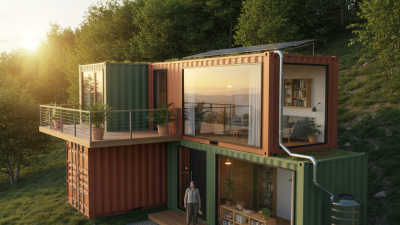
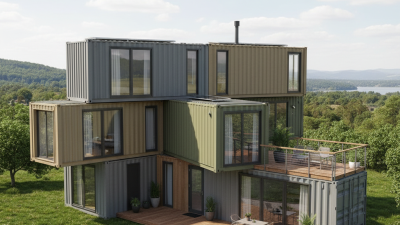
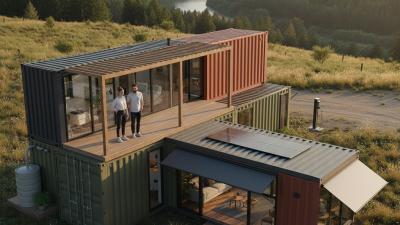
2026 Best Transportable Container Homes for Affordable Living Options?
Transportable container homes are gaining popularity as a viable solution for affordable living. With the rising costs of traditional housing, these innovative structures offer flexibility and sustainability. They provide a unique approach to modern living that appeals to various lifestyles and budgets.
In 2026, the options for transportable container homes are diverse and exciting. Many designs prioritize energy efficiency and minimalism, perfect for those seeking simplicity. These homes can be moved with ease, allowing for a dynamic lifestyle that caters to both mobility and comfort. Each container presents a canvas for creativity, enabling homeowners to customize their spaces.
However, there are challenges to consider. Not all areas permit container homes, and compliance with building regulations can be complex. Additionally, while some designs are stunning, the construction quality may vary significantly. It’s essential to research thoroughly and consult experts to ensure a reliable investment. The appeal of transportable container homes lies in their potential, but it is crucial to weigh the pros and cons before making a decision.

Overview of Transportable Container Homes and Their Benefits
Transportable container homes are gaining popularity for affordable living. According to a 2023 report by the International Organization for Standardization (ISO), the global container home market is expected to grow by 25% annually. These homes offer innovative housing solutions, making them appealing to a broader market.
One major benefit is their cost-effectiveness. Container homes often require less construction material. This can lower overall costs by 15-30% compared to traditional building methods. They also use recycled materials, fostering sustainability and reducing environmental impact. However, challenges like insulation and regulatory compliance remain.
Flexibility is another key advantage. These homes can be easily relocated, adapting to shifting lifestyles. A 2022 survey by the Housing Industry Association (HIA) found that 68% of container homeowners cited mobility as a primary reason for their choice. Despite these benefits, some face logistical hurdles, such as finding suitable land and navigating permitting processes.
Key Features to Consider When Choosing a Container Home
Choosing the right transportable container home involves examining several key features. One critical aspect is insulation. A well-insulated container home can regulate temperature efficiently, ensuring comfort in all seasons. Look for models with high R-value insulation to save on energy costs.
Another feature to consider is layout flexibility. Some containers offer customizable floor plans. This flexibility allows you to design your living space according to personal needs. Imagine cooking in an airy kitchen or lounging in a spacious living area.
Here are some tips to keep in mind: Consider the local climate when selecting insulation materials. Investigate ventilation options to prevent moisture buildup. Also, think about resale value. You may want to upgrade or move in the future. Not all designs will appeal to buyers, and the market can fluctuate.
Stay informed about building regulations in your area. Container homes might need specific permits or modifications to comply with local codes. It’s essential to research thoroughly. This step not only ensures safety but also enhances the home's longevity and comfort.
Top 2026 Models of Transportable Container Homes for Affordable Living
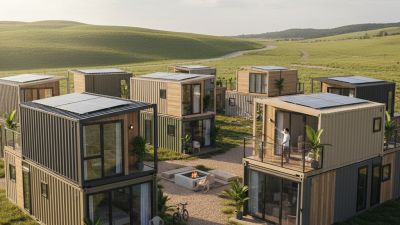
Transportable container homes are gaining traction as a solution for affordable living. In 2026, these structures offer innovative designs and space-efficient layouts. They cater to diverse lifestyle needs. Some models even include solar panels for energy efficiency. These homes are modular, easily adaptable to different locations.
Many designs prioritize sustainability. Reclaimed materials are often used, reducing waste. But, challenges persist. Insulation can be inadequate. Homeowners may need to invest in additional materials. Furthermore, zoning laws vary widely. Some areas may restrict container home placements.
These homes can be compact yet comfortable. Kitchens are often minimalist, allowing more living space. Bathroom layouts can be surprisingly spacious based on design. However, not all models include high-quality finishes. Prospective buyers should consider customization options. This could improve both aesthetics and functionality. Each model presents unique benefits and drawbacks. Researching thoroughly is essential for anyone interested.
2026 Best Transportable Container Homes for Affordable Living Options
Cost Comparison: Container Homes vs. Traditional Housing Options
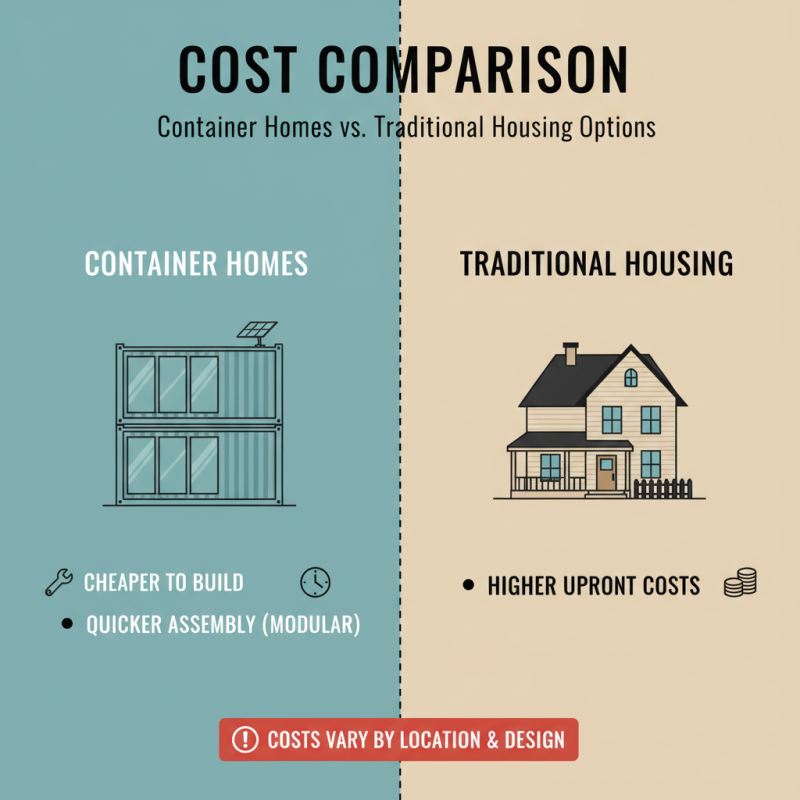
When comparing container homes to traditional housing, costs are a major factor. Container homes can be much cheaper to build. Their modular design allows for quicker assembly. However, the costs can vary significantly based on location and design choices.
Traditional housing often involves higher costs. Land purchase, permits, and construction contribute to these expenses. On the other hand, container homes usually require a smaller footprint. They can be placed on less expensive land. Still, they may need insulation and renovation, impacting total costs.
Many buyers find container homes appealing. However, they may not always meet all local building codes. Some might struggle with space limitations. Additionally, the resale value can be uncertain. It’s essential to weigh these factors carefully before deciding.
Sustainability and Environmental Impact of Container Homes
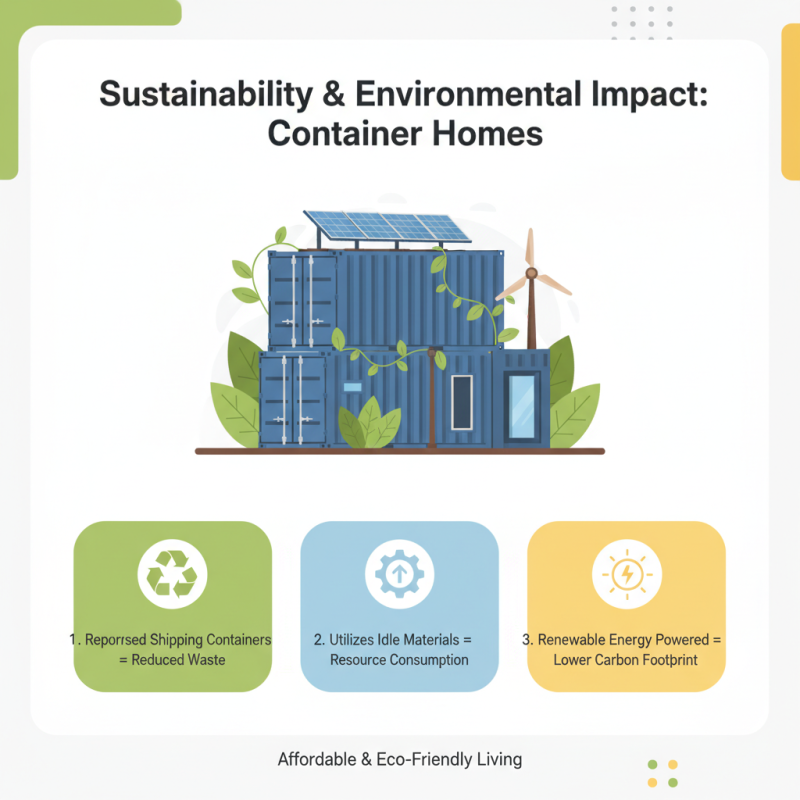
Container homes offer a unique blend of affordability and sustainability. These structures often use repurposed shipping containers, which reduces waste. Utilizing materials that would otherwise sit idle minimizes resource consumption. Additionally, they can be powered by renewable energy sources, decreasing their carbon footprint significantly.
However, not all container homes are eco-friendly. Many require insulation and finishing materials that may not align with sustainable principles. Locally sourced, natural materials can be more environmentally friendly. It’s essential to assess the long-term impact of your design choices. Landscape and site selection also play critical roles in sustainability. Carefully consider how the home interacts with the surrounding environment.
The adaptability of container homes sparks creativity. They can be designed to blend seamlessly with nature or stand out as architectural statements. But, it's vital to remain vigilant about their environmental impact. While they present numerous advantages, recognizing and addressing their shortcomings leads to responsible living. Sustainable housing must balance aesthetics, functionality, and ecological consciousness.