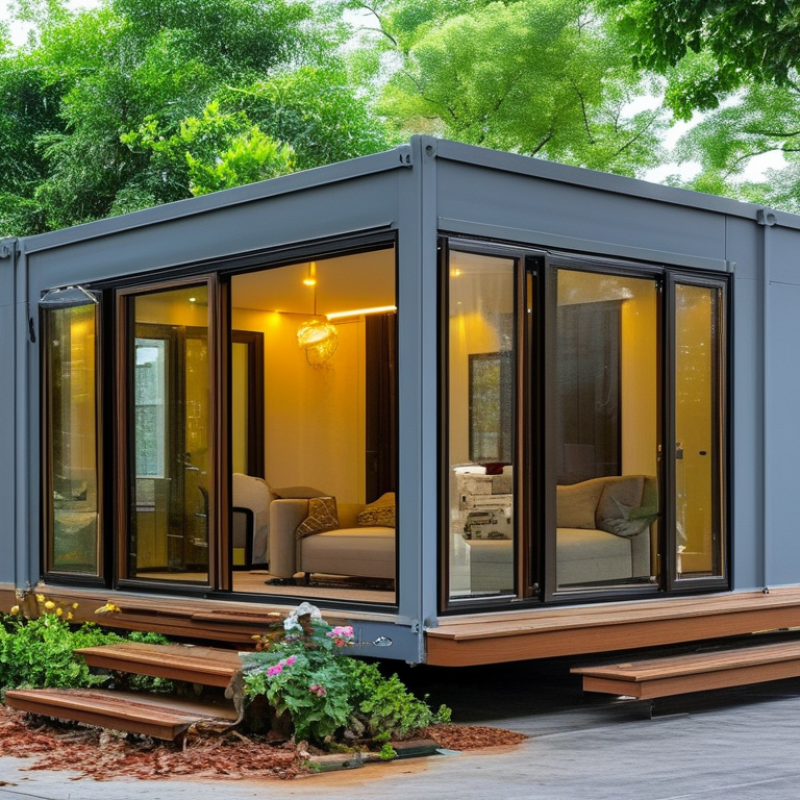
Discover Affordable 3 Bedroom Prefab House Options Worldwide?
In recent years, the popularity of 3 Bedroom Prefab Houses has soared globally. These homes offer a perfect blend of affordability and modern design. They provide families with a practical solution to housing needs without compromising on style.
Prefab houses are not only easy to assemble, but they also come with diverse options tailored to various climates and lifestyles. From eco-friendly materials to energy-efficient designs, the market has much to offer. However, potential buyers should reflect on their specific needs and local regulations.
While many options promise quick assembly and cost savings, it's crucial to research. Quality can vary significantly, so choosing a trusted manufacturer is essential. A well-informed decision will lead to a satisfying living experience in your new 3 Bedroom Prefab House.
Exploring Prefab Houses: An Overview of Construction Methods
Prefab houses offer innovative solutions for affordable living. They are constructed offsite, then assembled on your property. This method can reduce construction time significantly, with reports indicating that prefab builds can be completed 30% faster than traditional methods. This rapid assembly is attractive to many homebuyers seeking efficiency.
In terms of materials, prefab homes often utilize sustainable resources. Studies suggest that these houses can reduce waste by up to 60%. However, quality can vary. Buyers should inspect materials thoroughly before purchasing. Understanding the types of materials used is crucial for long-term satisfaction.
Tip: Research local regulations before beginning your prefab project. Building codes differ widely, and it's essential to be informed. Also, consider future expansions. Some designs allow for easy modifications, which can be a cost-saving feature later on. Reflecting on your long-term needs can help in choosing the right prefab option.
Benefits of Choosing a Prefab House Over Traditional Housing
Prefab houses are gaining popularity worldwide, and for good reasons. These homes can be built quickly and often at a lower cost than traditional houses. This affordability makes them accessible for many families looking for three-bedroom options. Prefab homes are constructed in factories, allowing for better quality control. They also minimize waste, making them a more sustainable choice.
Choosing a prefab house offers several advantages over traditional housing. For one, the construction time is reduced significantly. Many prefab homes can be assembled within weeks. This quick turnaround allows families to move in sooner. Moreover, the energy efficiency of prefab houses is often superior. They are designed with insulation and energy-saving features in mind.
However, there are drawbacks to consider. Not all prefab models suit everyone’s style or needs. Location can be a constraint too; some areas may have zoning laws limiting prefab structures. Potential buyers need to research thoroughly. Understanding local regulations is crucial. By weighing these factors, families can make informed decisions about their housing options.
Discover Affordable 3 Bedroom Prefab House Options Worldwide
| Location | Price (USD) | Size (sq ft) | Time to Build (Weeks) | Eco-Friendly Options |
| USA | $150,000 | 1,200 | 16 | Yes |
| Canada | $160,000 | 1,300 | 18 | Yes |
| Australia | AUD 200,000 | 1,400 | 14 | Yes |
| Germany | €140,000 | 1,250 | 12 | Yes |
| New Zealand | NZD 210,000 | 1,350 | 15 | Yes |
Affordable 3 Bedroom Prefab House Options in North America
When looking for affordable three-bedroom prefab houses in North America, many options are available. These homes are gaining popularity due to their cost-effective nature. Prefab houses can be built off-site and assembled quickly, saving time and money. A typical three-bedroom option offers ample space for families, making it ideal for small households.
Several manufacturers provide various layouts and styles. Some houses feature open floor plans, perfect for family gatherings. Others focus on energy efficiency, incorporating sustainable materials. Though prices can vary, many models fall within a reasonable budget, usually ranging from $100,000 to $200,000. It's essential to consider additional costs, like land and utilities, when budgeting.
While the affordability of prefab homes is appealing, not all designs fit every location perfectly. Some homeowners might find zoning regulations challenging. Small visual defects can occur due to the assembly process. It's important to conduct thorough research and connect with local builders. Doing so can reveal hidden costs or benefits that may not be immediately apparent.
Affordable 3 Bedroom Prefab House Options Worldwide
Global Trends in Prefab Housing: A Comparative Analysis
Prefab housing is gaining momentum globally, offering diverse options for those seeking affordable and sustainable living. In regions like Europe, modern designs blend functionality with aesthetics. In contrast, Asian markets often prioritize compact spaces that make the most of limited land. The trend leans towards eco-friendly materials, reflecting a growing awareness of environmental impact.
However, the supply chain can be inconsistent, affecting delivery times and quality. Many regions still lack established regulations for prefab construction. This can lead to challenges in financing and securing permits. Potential buyers must navigate these complexities carefully. Despite hurdles, the appeal of reduced construction time and costs remains strong. Innovative designs are emerging, making prefab homes not just practical but also visually appealing.
The global market shows a variety of pricing structures, often influenced by local economies. The affordability of three-bedroom prefab options can vary greatly. Research is essential for prospective homeowners. Many online platforms provide insights, but they must critically assess the reliability of sources. Exploring local builders can yield beneficial results, ensuring a good fit for individual needs and constraints.
Key Considerations for Purchasing a Prefab House Worldwide
When considering a prefab house, focus on location, material, and permits. Different regions have varied regulations. It's essential to check local building codes. Sometimes, the process can be slower than expected. Delays can happen, and preparation is key.
Tip: Visit local authorities for detailed regulations. They can guide you on what is needed. This knowledge can save time and effort during construction.
Next, think about the materials used. Prefab houses can range from wood to steel. Each material has its pros and cons. Wood may offer aesthetics but requires maintenance. Steel is durable but can be more expensive upfront.
Tip: Consider the climate in your area. Choose materials that withstand local weather conditions. This choice impacts long-term satisfaction. Reflect on your lifestyle and how well these choices align with it.