What are the Benefits of Acoustic Metal Panels for Soundproofing?
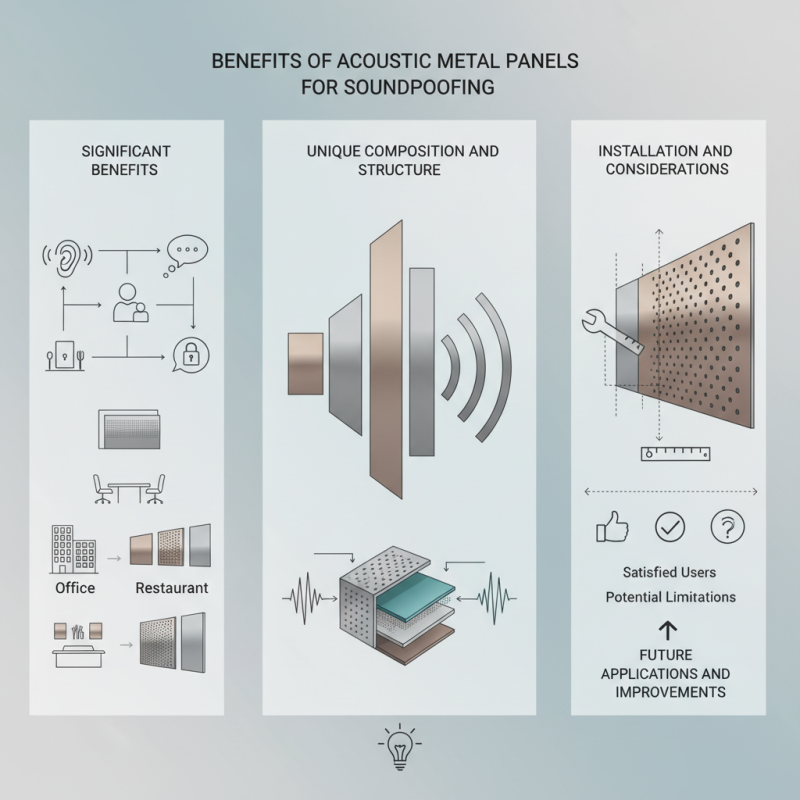
Acoustic Metal Panels offer significant benefits for soundproofing, making them a popular choice in various environments. These panels are designed to absorb sound waves and reduce noise transmission. Their unique composition and structure give them an edge over traditional materials.
In commercial spaces, Acoustic Metal Panels enhance privacy and focus. Offices, conference rooms, and restaurants benefit from their sound-dampening properties. With a sleek appearance, these panels also contribute to modern aesthetics while serving a functional purpose.
However, it's essential to consider their installation and potential limitations. Proper placement and design are crucial for achieving optimal soundproofing results. While many users report satisfaction, some may find the panels underperforming in specific settings. Learning from these experiences can help refine future applications and improvements in sound management.
Understanding Acoustic Metal Panels and Their Features
Acoustic metal panels are gaining popularity in soundproofing applications. Understanding their features is essential for effective use. These panels are typically made of metal with sound-absorbing properties. They reduce noise transmission significantly, making them ideal for various environments.
These panels come in different finishes and textures. Their versatility allows them to blend seamlessly into any design. Installation is also simple, with options for both wall and ceiling application. However, they may not effectively absorb all frequencies of sound. This limitation means they should be used alongside other acoustic solutions.
When selecting acoustic metal panels, one must consider the specific needs of the space. They are effective in industrial settings, but may fall short in residential areas. Sometimes, users overlook the importance of matching panel types to desired outcomes. Reflecting on the ideal use cases can enhance the effectiveness of soundproofing efforts.
Benefits of Acoustic Metal Panels for Soundproofing
This chart displays the benefits rating of acoustic metal panels for soundproofing across various features, showcasing their effectiveness in noise reduction, durability, aesthetics, fire resistance, and ease of maintenance.
The Science Behind Soundproofing and Acoustic Treatment
Acoustic metal panels play a crucial role in soundproofing environments. They have both practical applications and scientific backing. Recent studies indicate that these panels can reduce noise levels by up to 85%. This efficiency is attributed to their ability to absorb sound across a wide frequency range, making them ideal for offices, restaurants, and open-concept spaces.
The science of soundproofing hinges on the concept of sound absorption and reflection. Acoustic panels are designed to disrupt sound waves, minimizing reflection and enhancing clarity. According to the American Society of Acoustics, effective sound treatment can improve workspace productivity by up to 25%. This emphasizes the importance of investing in proper acoustic solutions.
Tips: Consider combining acoustic metal panels with soft furnishings. This blend can further enhance sound absorption. Always ensure proper installation, as gaps can lead to sound leakage. Regularly assess the performance of your soundproofing to make necessary adjustments.
Key Benefits of Using Acoustic Metal Panels for Noise Reduction
Acoustic metal panels are increasingly popular for noise reduction in various environments. These panels not only absorb sound but also enhance aesthetic appeal. They provide a modern look while effectively minimizing sound transmission. This makes them suitable for offices, studios, and public spaces.
One significant benefit is their durability. Acoustic metal panels resist wear and tear, ensuring long-term performance. Additionally, they are often easy to clean, which is ideal for high-traffic areas. When installed correctly, they can dramatically cut down reverberation and echo. This leads to a more pleasant auditory experience.
Tips for maximizing soundproofing: Focus on proper placement of these panels. Covering corners and large wall spaces yields better results. Another tip is to consider the overall design. Integrating panels with other sound-absorbing materials further amplifies noise reduction. Regularly assessing panel condition will maintain effectiveness over time.
Applications of Acoustic Metal Panels in Various Spaces
Acoustic metal panels serve diverse purposes across various environments. In offices, they reduce echo, creating a quieter workplace. This boost in productivity is vital for team collaboration. Implementing these panels can enhance employee focus significantly, yet many offices overlook their potential.
In schools, effective sound control is essential. Classrooms benefit from acoustic panels by minimizing distractions. Students can absorb lessons better, but not every institution has adopted this technology. Some may hesitate due to budget constraints, but the long-term advantages are clear.
In public spaces like auditoriums, acoustic metal panels help manage sound quality. They prevent overlapping voices and enhance clarity during performances. Patrons enjoy a richer experience, yet installation can pose challenges. Balancing aesthetics with functionality is often a tough decision.
Comparative Analysis: Acoustic Metal Panels vs. Other Soundproofing Materials
Acoustic metal panels are becoming increasingly popular in soundproofing applications. Their design allows them to reflect and absorb sound effectively. When comparing them to traditional materials like fiberglass or foam, metal panels offer unique advantages. According to industry reports, acoustic metal panels can reduce sound transmission by up to 35%. In contrast, fiberglass typically provides a reduction of about 25%. This makes metal panels a superior choice for high-performance environments.
The durability of acoustic metal panels is another reason professionals favor them. Unlike foam or fiberglass, metal panels do not degrade over time. They resist moisture, mildew, and pests, which are common issues with other materials. Additionally, they are easy to clean and maintain, extending their lifespan. The installation process for metal panels can also be more straightforward, reducing labor costs and time.
However, acoustic metal panels can be more expensive initially. This price tag may cause concerns for some projects. It's essential to weigh the long-term benefits against the upfront investment. While traditional materials might seem cheaper, their performance and durability could lead to higher costs down the line. Assessing the specific needs of each project can guide soundproofing material choices effectively.