Top 10 Benefits of Folding Doors for Your Home?
The modern homeowner seeks both style and functionality. Folding Doors are emerging as a popular choice. According to a 2022 industry report, the demand for folding doors has increased by over 35% in the last five years. This surge reflects their ability to enhance both aesthetics and practicality.
Folding doors offer remarkable versatility. They can seamlessly connect indoor and outdoor spaces, creating an inviting atmosphere. This design trend has gained traction, especially in urban settings where space is limited. A study by the National Association of Home Builders noted that homes with folding doors can see an increase in market value by 12%.
However, it is essential to recognize some challenges. Installation can be complex and may require professional help. Additionally, while folding doors provide breathtaking views, they may not suit every climate. Homeowners should weigh these factors carefully. Understanding the benefits and drawbacks is vital for making an informed decision. Folding doors can be a great investment when chosen wisely.
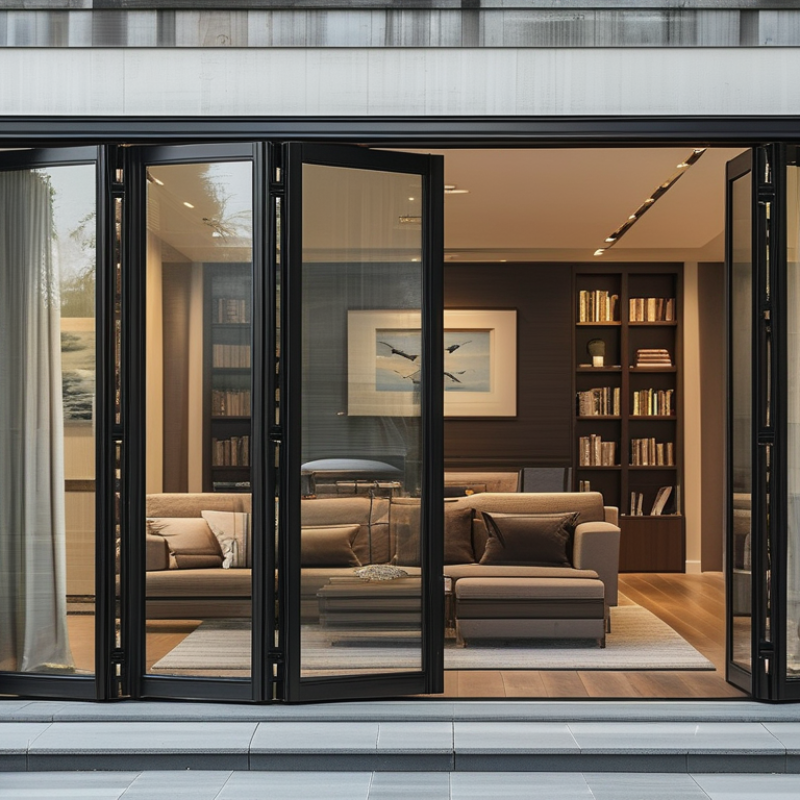
Benefits of Enhanced Natural Light with Folding Doors in Homes
Folding doors offer a remarkable way to enhance natural light in your home. According to a report by the National Association of Home Builders, homes with ample natural light can increase well-being and mood. These doors create a seamless connection between indoor and outdoor spaces, allowing sunlight to flood living areas.
Studies suggest that natural light can improve focus and productivity by up to 15%. This is particularly beneficial in home offices or study areas. Folding doors can be an excellent investment, but they require regular maintenance. Homeowners need to be mindful of how they track the sun throughout the day. The angle of light changes, and sometimes glare can be an issue.
Additionally, while the aesthetic appeal is undeniable, folding doors can be a bit tricky to install correctly. Poor installation may lead to issues like drafts or difficulty operating the doors. Professional installation is often recommended. However, making these adjustments can lead to significant gains in daylight and ambiance. Overall, choosing folding doors can redefine how light interacts with your living space.
Increased Space Efficiency: How Folding Doors Optimize Home Layout
Folding doors are transforming modern homes by enhancing space efficiency. These versatile structures create a seamless flow between indoor and outdoor areas. When opened, they provide an unobstructed connection to patios or gardens, making small spaces feel larger. This design is ideal for those who want an open-concept environment.
The unique functionality of folding doors allows for flexibility in your home layout. You can adapt your living space for different occasions easily. For instance, when hosting gatherings, you can create an expansive area for entertainment. Conversely, when privacy is needed, they can divide rooms effectively. However, it is crucial to ensure proper installation. Inaccurate alignment can lead to operational issues.
Another aspect to consider is maintenance. While folding doors are generally durable, they require periodic checks. Keep hinges and tracks clean to prevent sticking. If neglected, their performance may decline. Homeowners should also be aware of potential weather-related impacts. Extreme temperatures can affect how the doors function. Regular attention to these details can preserve their efficiency and aesthetic appeal.
Energy Efficiency Gains Associated with Folding Door Installations
Folding doors provide significant energy efficiency benefits for homeowners. According to the U.S. Department of Energy, energy-efficient windows and doors can help reduce energy bills by up to 15%. The integration of folding doors can enhance this savings. Their large glass panels allow natural light, reducing reliance on artificial lighting.
The thermal performance of folding doors is noteworthy. Many modern systems feature multi-chambered frames and insulated glass. These advancements minimize heat transfer, keeping homes warmer in winter and cooler in summer. A study by the National Renewable Energy Laboratory revealed that homes with high-performance doors reported a notable reduction in heating and cooling costs.
However, homeowners should consider potential drawbacks. While folding doors offer aesthetic appeal and functionality, their installation can be labor-intensive and may require adjustments to existing structures. Regular maintenance is crucial to ensure optimal energy efficiency. Inspecting seals and frames helps maintain thermal integrity, ultimately supporting the energy-saving promise of folding doors.
Improved Indoor-Outdoor Flow: Social and Psychological Benefits
Folding doors can transform your home by enhancing the flow between indoor and outdoor spaces. This improvement fosters a connection with nature. Open these doors, and you feel the breeze. Sunlight floods the room, lifting your spirits. This harmonious blend encourages social interactions, making gatherings more enjoyable. Imagine friends mingling seamlessly between your living area and patio.
The psychological benefits are significant. A well-lit space promotes happiness and reduces stress. Studies show that access to outdoor views can enhance mental well-being. You might notice a shift in mood when you combine your living space with the outdoors. However, maintenance is necessary. Dust and dirt can accumulate between folds. Regular cleaning is essential to maintain their appeal.
Folding doors also allow for versatile use of space. You can create a larger environment for parties or retreat to a cozy nook. The flexibility they offer is appealing but can lead to over-reliance on an opened space for socializing. Reflect on how frequently you want the outdoors integrated into your daily life. This balance is crucial for maximizing the benefits they provide.
Aesthetic Appeal: Boosting Property Value Through Modern Folding Designs
Folding doors have become a popular choice for homeowners seeking modern designs that enhance aesthetics and increase property value. Their sleek lines and contemporary appeal can transform spaces. With folding doors, you can create a seamless transition between indoor and outdoor areas. This feature not only enhances the visual appeal but also invites more natural light into your home.
When considering folding doors, think about their material and design. High-quality materials like wood or aluminum can significantly impact their lifespan and appearance. Opt for colors and finishes that complement your home’s existing style. Small design details, like handles and hinges, can also enhance the overall look.
Here’s a tip: Always check local regulations about installations. You don't want to run into issues down the line. Another tip is to consider energy efficiency. Look for doors that provide good insulation. It's a critical factor in maintaining a comfortable environment. While folding doors add value, poorly installed ones might actually detract from your home’s appeal. Careful planning ensures you enjoy their benefits.