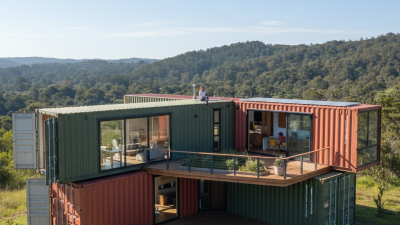
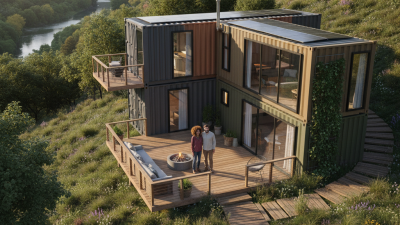
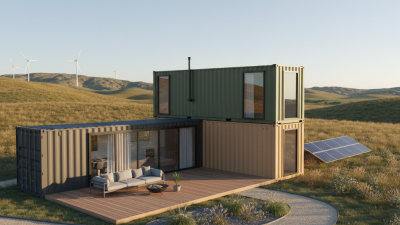
Transportable container homes are transforming modern living. These innovative structures offer impressive benefits that align well with current housing trends. According to a report by Allied Market Research, the global market for modular homes is projected to reach $118.2 billion by 2027. This growth is driven by the rising need for affordable housing solutions in urban areas.
One significant advantage of transportable container homes is their sustainability. The construction process uses 90% less waste compared to traditional building methods. Additionally, container homes require less energy for heating and cooling. This aligns with the industry’s shift towards environmentally friendly practices. However, potential buyers must consider zoning regulations and transportation costs.
Another benefit is mobility. Transportable container homes offer the flexibility to relocate. This is especially appealing to those seeking a minimalist lifestyle. Despite these advantages, challenges remain. Some find the aesthetic limitations of container homes off-putting. As the trend continues, ongoing innovation is needed to address these concerns and enhance the appeal of transportable container homes in the housing market.
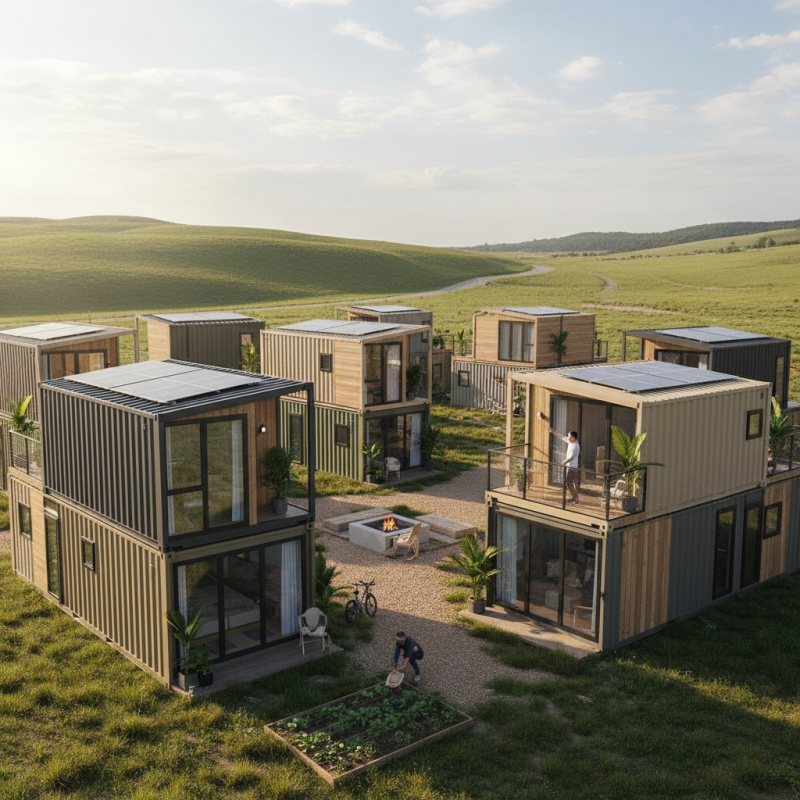
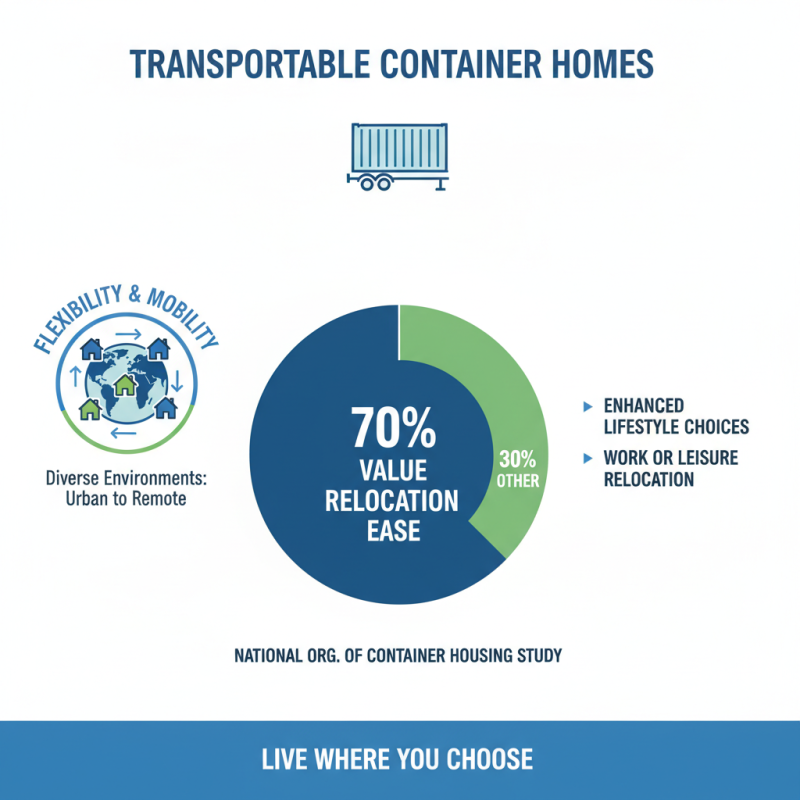
Transportable container homes provide a unique blend of flexibility and mobility. They can be placed in diverse environments, from urban settings to remote areas. According to a recent study by the National Organization of Container Housing, nearly 70% of container homeowners value their ability to relocate without significant hassle. This mobility enhances their lifestyle choices, allowing easy relocation for work or leisure.
The design advantages are striking. Container homes can be customized to fit various needs, whether for a small family or a mobile office. Reports show that 35% of users appreciate the affordability of these homes compared to traditional construction. However, some face zoning challenges or regulations that can complicate the placement process. Understanding local laws is critical. Flexible living spaces can sometimes mean navigating these obstacles. Not all locations support open development of container homes.
While the benefits are clear, the adaptability of container homes can lead to a sense of impermanence. Residents may feel a lack of stability that traditional homes offer. Additionally, continual movement can disrupt community ties. The allure of flexibility must be weighed against the potential emotional costs. Setting down roots versus the desire for mobility presents a nuanced dilemma for many container homeowners.
Transportable container homes are gaining attention for their environmental benefits. By repurposing shipping containers, we reduce waste significantly. Approximately 25 million containers are abandoned worldwide. Transforming them into homes addresses this issue effectively.
Using these containers lowers the ecological footprint. Reports show that traditional construction generates about 7-10 tons of waste per home. In contrast, container homes use existing materials, minimizing new resource demands. This approach conserves energy and mitigates pollution.
However, challenges exist. Not every container is suitable for housing. Some may have structural issues or contamination risks. Ensuring safety requires careful inspection and refurbishing processes. Nevertheless, when done right, container homes reflect a sustainable option for modern living, blending practicality with environmental awareness.
Transportable container homes present an appealing option for modern living. Their cost-effectiveness stands out. These homes use repurposed shipping containers, reducing material and labor costs. The price to convert a container is significantly lower than traditional builds. You can save up to 50% on initial expenses. This makes homeownership more accessible.
Tips: When considering a container home, factor in insulation and ventilation. Containers can heat and cool quickly. Think about how this affects energy bills. You may need to invest in upgrades to improve comfort. Don't rush this process.
Another point to consider is location. Zoning laws can complicate your plans. Some areas do not permit container homes. Research local regulations beforehand. You might end up with unexpected costs or delays. Plan accordingly. A good design can solve many potential issues. The flexibility of container homes encourages creativity. However, you should consider practical aspects seriously.
This chart illustrates the top 10 benefits of transportable container homes, focusing on various aspects such as cost-effectiveness, flexibility, sustainability, and more. Each benefit is scored on a scale of 1 to 10, with higher scores indicating a greater advantage for modern living.
Container homes offer unique design possibilities that cater to the modern lifestyle. Each container presents a blank canvas. Homeowners can choose layouts that fit their vision. Designs can vary from minimalist to elaborate. The compact nature encourages creativity. For example, a single container can serve as a studio apartment. Multiple containers can be stacked or arranged to create a multi-level home.
Customization is another significant advantage. Owners can add features like large windows or green roofs. Many companies report that nearly 70% of buyers request custom modifications. This indicates a growing demand for personalized spaces. However, some may find the limitations of container sizes restrictive. The standard container dimensions may not fit everyone's needs. Still, innovative solutions like modular designs are emerging.
Sustainability also plays a key role. A report by the International Institute for Environment and Development highlights that reusing shipping containers reduces waste. This design choice can also lower construction costs by 30%. Yet, some challenges remain. Insulation is critical for energy efficiency. Proper planning is necessary to manage climate control. Each custom decision impacts both aesthetics and functionality, requiring careful reflection.
| Benefit | Description | Customization Options | Environmental Impact |
|---|---|---|---|
| Affordability | Lower building costs compared to traditional homes. | Varied finishes, colors, and layouts. | Recycling shipping containers reduces waste. |
| Portability | Easily relocated to different sites. | Designs that allow for easy disassembly. | Less land disruption when moving. |
| Durability | Strong steel construction withstands harsh conditions. | Interior modifications for insulation and aesthetics. | Long lifespan reduces need for replacements. |
| Speed of Construction | Quick assembly on site. | Pre-fabricated components expedite building process. | Less time on site reduces resource usage. |
| Energy Efficiency | Can be easily equipped with eco-friendly features. | Solar panels, energy-efficient appliances. | Reduces energy consumption and carbon footprint. |
| Minimalist Living | Encourages decluttering and simple living. | Custom layouts to maximize space. | Sustainable living through smaller footprints. |
| Aesthetic Variety | Unique designs stand out in any neighborhood. | Options for artistic exterior and interior designs. | Creative designs can encourage community pride. |
| Secure Storage | Built-in security features for vulnerable items. | Custom locks and reinforced areas. | Less energy spent on storage solutions. |
| Community Building | Encourages innovative neighborhoods and interactions. | Designs promoting communal spaces. | Sustainable communities foster collective care. |
| Investment Potential | Potential for rental income or resale value. | Customizable features to appeal to various buyers. | Investing in eco-friendly homes boosts value. |
Transportable container homes are transforming the housing market. One major advantage is their reduced construction time. Traditional homes can take months to build, often dragging into years. In contrast, portable container homes can be set up in just a few weeks. Industry reports indicate that prefabricated structures save up to 50% in build time compared to conventional construction.
Quick setup doesn't just mean faster living solutions. It also translates into lower labor costs. A study by the Modular Building Institute found that modular homes cut labor time by nearly 70%. This efficiency appeals to many modern individuals seeking affordable housing. However, instant gratification comes with its own challenges. Quick builds may lead to oversight in quality checks. Issues like insulation and plumbing might suffer if rushed.
Moreover, transportable homes offer dynamic living arrangements. They can be relocated easily, providing flexibility for unexpected life changes. Yet this mobility can create stress for some. Constantly moving might disrupt community ties. The allure of fast, convenient living should not overshadow these personal considerations. Balancing speed and quality remains a critical reflection for potential buyers.