What Are the Benefits of Using Blue Tint Glass?
Blue Tint Glass is becoming increasingly popular in various applications. Its unique color provides not just aesthetic appeal but also functional benefits. The subtle hue can reduce glare, making it ideal for environments with bright lighting. Many homeowners choose Blue Tint Glass for windows to create a calming atmosphere in their living spaces.
In addition to its visual advantages, Blue Tint Glass offers protection against harmful UV rays. This feature helps preserve furniture and flooring, reducing fading over time. Businesses often use this glass to enhance energy efficiency. Blue Tint Glass can help regulate indoor temperatures, reducing cooling costs on hot days.
Despite these benefits, it's important to consider potential downsides. For example, the tint may alter the natural light entering a room. This can affect the ambiance and visibility. Users must weigh these factors carefully when deciding whether Blue Tint Glass is right for their needs.
Understanding Blue Tint Glass: Definition and Composition
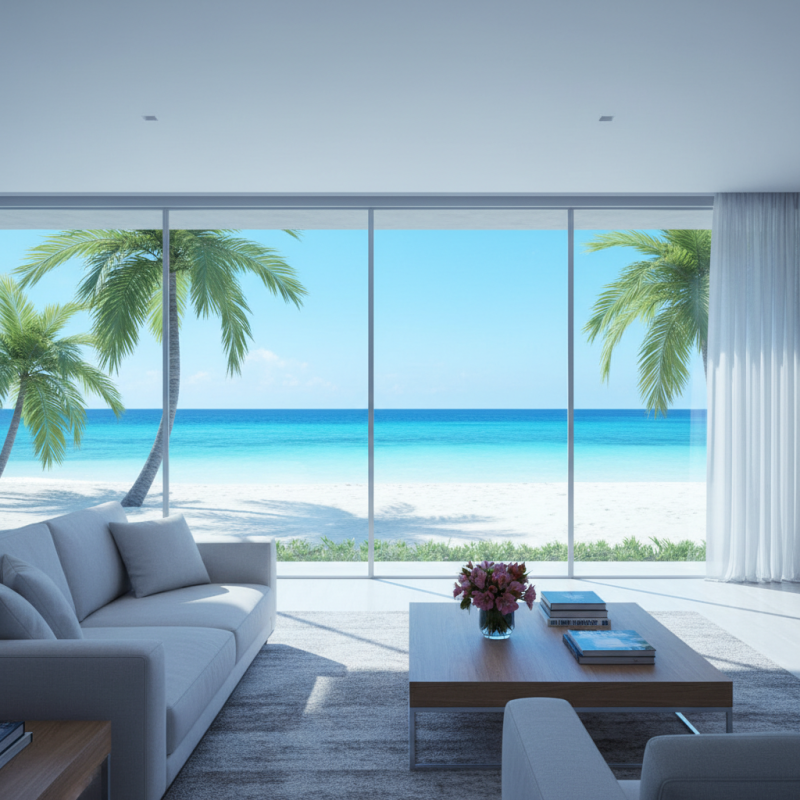
Blue tint glass is a fascinating material. It’s designed with a specific composition that includes additives which give it that distinct blue hue. This tint can help reduce glare from bright sunlight. It works by filtering certain wavelengths of light while allowing others to pass through clearly. As a result, spaces fitted with blue tint glass often feel cooler and more comfortable.
When it comes to practical applications, blue tint glass is popular for windows and facades. It enhances privacy without compromising natural light. Additionally, it helps in managing heat. That means it can reduce cooling costs in warmer climates. Yet, it's essential to remember that blue tint glass can change the colors of objects seen through it. Not all colors are represented accurately.
Tips for using blue tint glass: consider your environment. In areas with abundant sunlight, its benefits are maximized. However, in cloudy regions, it may create a dreary atmosphere indoors. Also, think about maintenance. This type of glass may require regular cleaning to maintain its appearance. Visible smudges or dust can detract from its aesthetic and functional benefits.
Commercial and Residential Uses of Blue Tint Glass
Blue tint glass is gaining traction in both commercial and residential settings for its aesthetic and functional benefits. In hospitals and healthcare facilities, blue tint glass reduces glare, which enhances comfort for patients and staff. The soothing hue can promote a calm atmosphere. Research indicates that such environments can aid recovery, highlighting the psychological effects of color in interior design.
In residential applications, blue tint glass offers enhanced privacy while still allowing natural light. Many homeowners appreciate the energy efficiency that blue tinting provides. Studies show that tinted windows can reduce heat gain by up to 40%. This can lead to lower energy costs and increased comfort. Homes in sunny climates benefit most from this feature.
The commercial sector also sees value in blue tint glass. In office buildings, it can reduce solar heat and glare, improving productivity. A study from the Glass Association found that businesses report a 20% increase in worker satisfaction with tinted windows. While still a growing trend, the use of blue tint glass presents both opportunities and considerations for property owners. Balancing aesthetics and functionality is essential for maximizing benefits.
Benefits of Using Blue Tint Glass
This chart illustrates the benefits of using blue tint glass in both commercial and residential applications. The key advantages include UV protection, energy efficiency, enhanced privacy, aesthetic appeal, and reduced glare, each represented as a percentage to showcase their importance.
Benefits of Blue Tint Glass for UV Protection
Blue tint glass offers notable benefits, especially for UV protection. Its distinct color filters sunlight effectively. This glass blocks harmful UV rays, which can cause skin damage and increase the risk of skin cancer. Many people overlook the threat of UV exposure indoors. Natural light can enter homes and offices, exposing individuals to these risks.
The blue tint also enhances comfort. It reduces glare from screens and bright sunlight. This feature is particularly helpful in workspaces where people spend hours in front of computers. A comfortable environment can boost productivity. However, the level of tint may not suit everyone's preference. Some might find the color too bold.
Choosing blue tint glass is a decision that requires careful consideration. While the benefits are clear, not everyone will appreciate the aesthetics. Additionally, the cost may be higher than standard glass. Some may question whether the UV protection is worth the investment. Balancing style, comfort, and health is essential for making the right choice.
Aesthetic Advantages of Blue Tint Glass in Architecture
Blue tint glass has gained popularity in modern architecture, offering aesthetic advantages that enhance building design. This type of glass is often chosen for its unique ability to create a calming effect. Natural light is softened, producing a serene atmosphere indoors. The blue tint also has a way of harmonizing with the surrounding environment. Buildings with blue glass often appear elegant and contemporary.
When using blue tint glass, consider how it interacts with light. Different times of day will showcase varying shades. This change can enhance the visual appeal throughout the day. A well-placed window can transform a mundane space into a tranquil retreat. Lighting plays a critical role, impacting how the tint is perceived inside and out.
Tips for maximizing the use of blue tint glass include evaluating its placement. Positioning windows strategically can help achieve the desired light effects. Also, consider the surrounding architecture. Blue tint glass can be a stunning complement to neutral tones. However, using too much can overwhelm. Balance is essential for a refined look. Focus on blending with design elements to maintain elegance. Blue tint glass can elevate spaces subtly but powerfully.
What Are the Benefits of Using Blue Tint Glass?
| Benefit | Description | Aesthetic Aspect |
| Enhanced Aesthetics | Blue tint glass adds a modern and sophisticated look to buildings. | Creates a striking visual impact, complementing various architectural styles. |
| Reduced Glare | Minimizes brightness and glare from sunlight, enhancing comfort. | Softens harsh sunlight, allowing for a more pleasant interior environment. |
| Energy Efficiency | Helps reduce energy consumption by lowering cooling costs. | Maintains a visually appealing environment while enhancing thermal comfort. |
| UV Protection | Blocks a significant amount of harmful UV rays. | Protects indoor furnishings and art from fading, preserving aesthetic quality. |
| Privacy | Provides a degree of privacy without sacrificing light. | Creates a serene atmosphere in urban spaces, enhancing visual serenity. |
Impact of Blue Tint Glass on Energy Efficiency and Heat Control
Blue tint glass offers several benefits, particularly in energy efficiency and heat control. This type of glass significantly reduces the amount of solar heat entering a building. By reflecting and scattering sunlight, blue tint glass helps to maintain a cooler indoor environment. In regions with high temperatures, this can lead to reduced air conditioning costs.
Moreover, blue tint glass enhances visual comfort. It decreases glare from strong sunlight, allowing for a more pleasant living or working space. This can be particularly beneficial for offices and homes with large windows. However, the aesthetic appeal of blue glasses can lead to a misjudgment of their effectiveness. Some individuals may expect too much from the tint alone, neglecting other factors that contribute to energy efficiency.
Another aspect to consider is the potential decrease in natural light. While blue tint improves heat control, it may also darken interiors. This can result in over-reliance on artificial lighting. Balancing natural light and cooling is a challenge. Understanding how these elements work together is essential for maximizing energy efficiency. Careful consideration should be given to installing blue tint glass for optimal energy management.