Best Movable Homes for Global Buyers in 2026?
In the evolving landscape of housing, movable homes are becoming a viable option for many global buyers in 2026. As urbanization increases, the need for flexible living solutions grows. Expert in the movable homes industry, Sarah Collins, once stated, "Movable homes are not just houses; they are a lifestyle choice reflecting freedom and adaptability."
This sentiment captures the essence of movable homes, which combine comfort and mobility. Buyers now seek homes that fit their lifestyles, not just their locations. Features such as energy efficiency and customizable designs have become crucial. However, the market faces challenges, such as zoning laws and financing options, which can complicate ownership.
Movable homes offer remarkable potential but also come with considerations. Buyers must reflect on their needs carefully. While flexibility is appealing, it requires a commitment to thoughtful planning and community integration. As the popularity of movable homes continues to rise, understanding these nuances will be essential for prospective buyers.
Overview of Movable Homes: Types and Designs for 2026
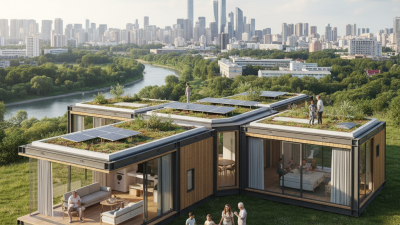
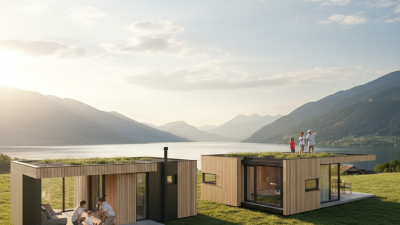
Movable homes are gaining attention in 2026. They offer flexibility and creativity for global buyers. With various designs available, choices will depend on personal preferences and lifestyles.
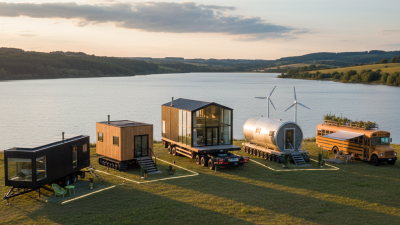
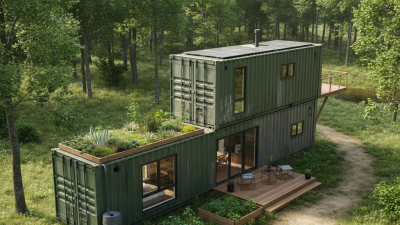
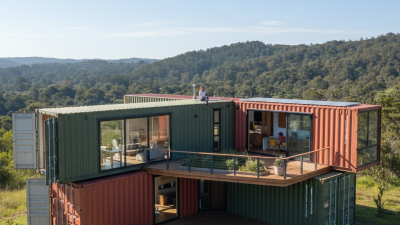
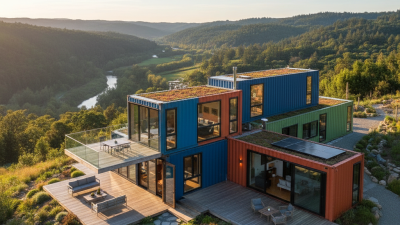
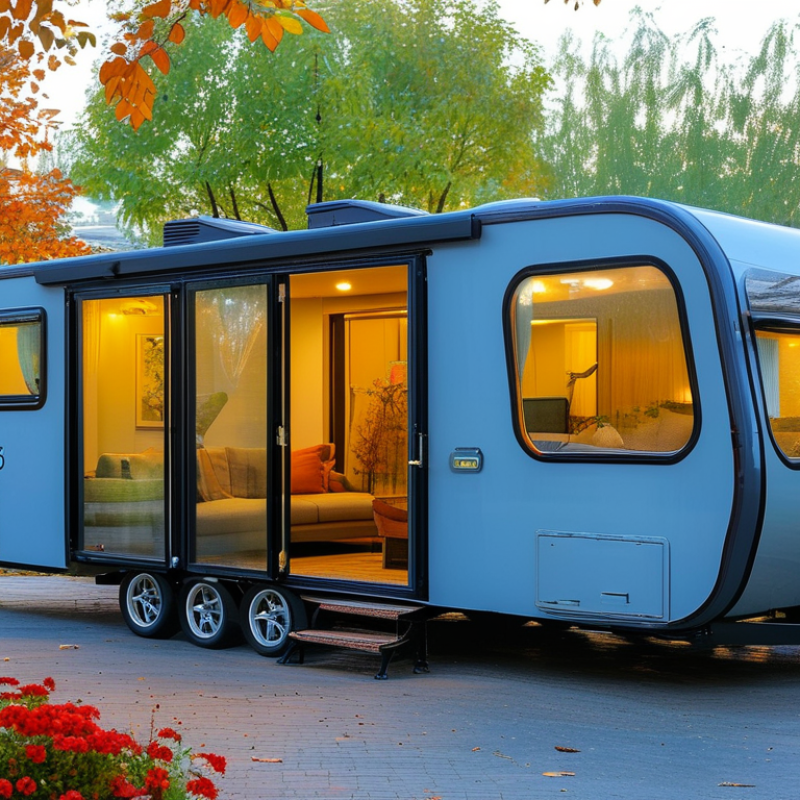
There are several types of movable homes. Tiny houses provide cozy living with minimal space. RVs offer mobility for those who love to travel. Container homes are unique, sustainable, and often more affordable. Each option has its charm and serves different needs.
Tips: When selecting a movable home, think about your lifestyle. Consider where you plan to travel or stay long-term. Research local regulations, as they vary widely. Pay attention to energy efficiency to save costs in the long run.
Building a movable home can be a rewarding experience. However, be ready for design challenges and limited space. Reflect on how much you truly need to live comfortably.
Key Features of the Best Movable Homes for Global Buyers
Movable homes are gaining popularity among global buyers, especially in 2026. A few key features stand out in the best options. First, energy efficiency is crucial. Homes equipped with solar panels and quality insulation greatly reduce energy costs. Additionally, smart home technology is becoming standard. Buyers appreciate systems that allow remote control of heating and lighting.
Affordability often tops the list of concerns. Many buyers want a balance between cost and quality. Some movable homes are affordable but lack important features like durability and space. It’s vital to find materials that withstand various climates. Compact designs offer flexibility but can feel cramped for larger families.
Sustainability is another factor shaping preferences. Buyers are increasingly interested in eco-friendly materials. Homes built with recycled or sustainable resources hint at long-term environmental responsibility. However, these options can sometimes increase costs. Balancing budget and sustainability requires careful consideration. Understanding these features can lead to informed choices.
Market Trends in Movable Home Purchase and Ownership in 2026
In 2026, the movable home market is entering a transformative phase.
Industry reports indicate that the demand for movable homes is expected to increase by over 25% globally.
Factors include affordability and the flexibility they offer.
Many buyers seek a sustainable lifestyle amid rising housing costs.
Data from the International Housing Association highlights that 40% of new buyers are young professionals.
They prioritize mobility and minimalism.
However, challenges exist. Research shows that 30% of movable home owners report issues with local regulations.
Navigating zoning laws can be a frustrating experience.
It's essential for buyers to research their local market thoroughly before committing.
Furthermore, energy efficiency is becoming a significant trend. Reports suggest that energy-efficient features boost resale value by up to 15%.
Yet, the initial costs can deter some buyers. Understanding long-term benefits is crucial.
The trend toward eco-friendly movable homes will likely grow, but accessibility remains a barrier for many potential buyers.
Top Countries and Regions for Movable Home Popularity
The popularity of movable homes is on the rise, particularly in regions that prioritize flexibility and sustainable living. According to the International Organization for Standardization (ISO), around 34% of people in urban areas are considering alternative housing options by 2026. This trend is notable in countries like Australia, the United States, and parts of Europe.
Australia is experiencing a significant shift toward tiny living. A recent report from the Australia Bureau of Statistics showed that the number of people living in movable homes has increased by 25% in the last five years. This aligns with rising housing costs in cities like Sydney and Melbourne. Urban dwellers are seeking practical solutions that offer mobility without sacrificing comfort.
In Europe, countries like Germany and Sweden are seeing more interest in mobile homes. The European Commission reported a 20% growth in eco-friendly housing initiatives. Many buyers are looking for homes that minimize their carbon footprint. However, challenges remain. Regulations can vary widely between regions, complicating the buying process. Prospective buyers need to navigate local laws. Understanding these nuances is crucial for a successful investment in movable homes.
Best Movable Homes for Global Buyers in 2026? - Top Countries and Regions for Movable Home Popularity
| Country |
Popularity Score (1-10) |
Average Cost (USD) |
Main Features |
Eco-Friendliness Rating (1-5) |
| United States |
9 |
50,000 |
Versatile designs, full amenities |
4 |
| Canada |
8 |
55,000 |
Sustainable materials, winterized |
5 |
| Australia |
8 |
60,000 |
Outdoor living spaces, open floor plans |
4 |
| Germany |
7 |
70,000 |
Minimalist designs, high efficiency |
5 |
| New Zealand |
8 |
65,000 |
Eco-friendly options, smart technology |
5 |
Budget Considerations for Buying Movable Homes Globally in 2026
In 2026, the demand for movable homes is expected to rise dramatically, shaped by economic factors. According to the Global Housing Report, prices of movable homes have increased by 15% in the past two years. This growth emphasizes the importance of budget considerations for prospective buyers.
Potential owners often underestimate total costs. Apart from the purchase price, ongoing expenses such as shipping, land leasing, and utilities can add up. Data shows that new owners can spend an average of $7,000 annually on maintenance and improvements. Many buyers overlook these factors. By planning a comprehensive budget, they can avoid financial surprises.
Another critical aspect is location. Land prices vary significantly across regions, which can affect total costs. Research indicates that urban areas tend to have higher land costs. In contrast, rural locations may offer lower prices but could lack essential infrastructure. Buyers need to reflect on their lifestyle. Choosing the wrong location can lead to higher travel costs and diminished quality of life. Balancing these considerations is crucial for making a wise investment in movable homes.
Best Movable Homes for Global Buyers in 2026
This chart represents the projected budget considerations for different types of movable homes around the world in 2026. The data reflects average prices based on location, amenities, and size.