How to Build a Container Home: A Step-by-Step Guide for Beginners
Building a container home has gained popularity as an innovative and sustainable housing solution in recent years. As more people seek affordable housing alternatives, the unique concept of repurposing shipping containers into vibrant living spaces has emerged as an attractive option. A container home not only offers flexibility in design but also promotes eco-friendliness, making it a perfect choice for environmentally-conscious individuals looking to build their dream homes.
In this step-by-step guide, we will delve into the essential aspects of constructing your own container home, from initial planning to final touches. Whether you’re a seasoned builder or a complete novice, this comprehensive approach will equip you with the knowledge and skills needed to transform a simple shipping container into a functional and stylish living space. By exploring the advantages of container living, the design possibilities, and the construction process, you will gain valuable insights that will help you embark on your journey toward building a sustainable and cost-effective home.
Selecting the Right Container for Your Home Project
When embarking on the journey of building a container home, selecting the right shipping container is a pivotal step that can greatly influence the success of your project.
The very first consideration should be the type of container you choose. Standard sizes include 20-foot and 40-foot containers, with the former being ideal for smaller spaces or projects, while the latter offers more room for larger designs. Additionally, consider the condition of the container; opt for "one-trip" containers for minimal wear and tear, which ensure fewer structural issues and better insulation capabilities.
Another crucial aspect is to evaluate the features of the container. Look for containers with minimal rust, intact doors, and a clean interior, as these factors contribute to longevity and safety in your home. Factors such as the intended climate of your build site should also inform your choice; for instance, insulated containers may be necessary in extreme temperature regions to maintain comfort. Ultimately, thoroughly researching container types, conditions, and additional features will set a solid foundation for your container home project, ensuring it meets your needs and standards.
Planning Your Container Home Layout and Design
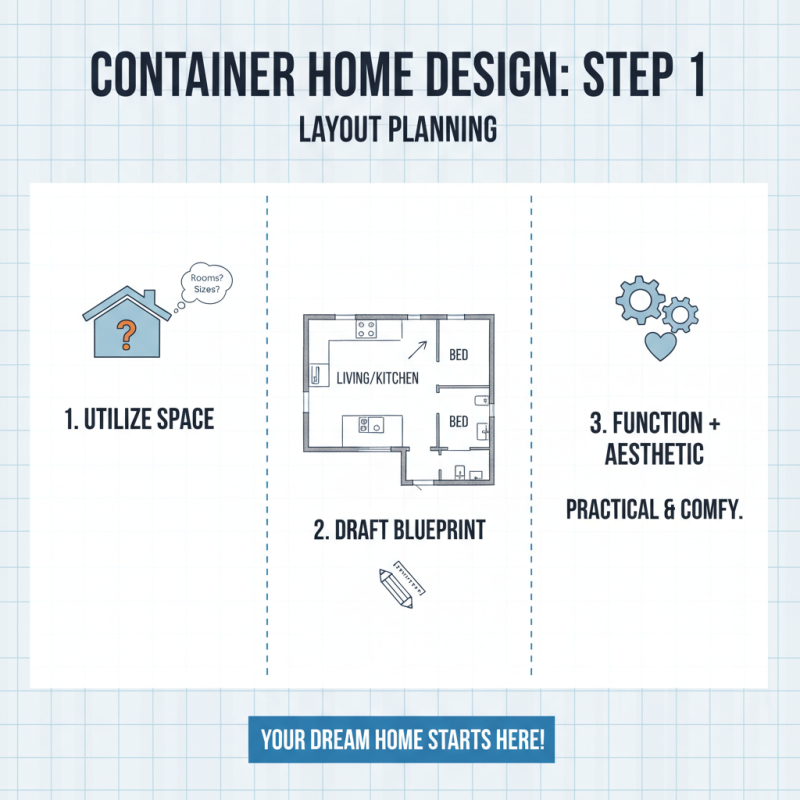
When designing your container home, the first step involves careful planning of your layout. It's crucial to consider how you want to utilize the space available. Begin by drafting a rough blueprint that outlines the number of rooms, their sizes, and how they will flow together. Think about the purpose of each area—will you have an open-plan living and kitchen space or separate rooms for privacy? Prioritize functionality alongside aesthetic appeal to ensure your container home is both practical and comfortable.
**Tips:** When planning your layout, remember to account for natural light and ventilation. Position larger windows on the sides that receive direct sunlight, which can help to create a bright and inviting atmosphere. Also, consider the local climate—if you live in a warmer area, proper ventilation will be vital to keeping your home cool.
Another key aspect of your design is the choice of insulation, which plays a significant role in regulating your home’s temperature. Research various insulation materials suitable for metal containers. Assess how you want to divide spaces effectively while maximizing square footage. It’s beneficial to use multifunctional furniture to save space and add versatility to each room.
**Tips:** When selecting materials, opt for sustainable options where possible. Not only do they benefit the environment, but they can also enhance the overall aesthetic of your container home. Remember to visualize your space in three dimensions – this can significantly aid in understanding how everything will fit together in the real world.
Essential Tools and Materials for Building a Container Home
Building a container home can be an exciting project, and having the right tools and materials is crucial for success. To start, you will need a set of essential tools, including a portable welder, cutting tools such as a plasma cutter or a saw, and equipment for lifting and positioning the containers, like a forklift or crane. Additionally, basic hand tools like hammers, screwdrivers, and a level will come in handy for assembly and adjustments during the building process.
In terms of materials, the primary component will be shipping containers, which you can often source from various suppliers. Alongside the containers, insulation materials are vital for temperature control – consider options like foam board or spray foam insulation. You will also require roofing materials, windows, and doors to complete the home’s exterior. Interior finishes can include drywall, flooring, and fixtures, which will help transform the container shell into a comfortable living space. Proper planning and a comprehensive list of these tools and materials will set the foundation for a successful container home project.
How to Build a Container Home: A Step-by-Step Guide for Beginners - Essential Tools and Materials for Building a Container Home
| Item |
Description |
Estimated Cost ($) |
| Shipping Container |
Used container for the main structure |
1500 |
| Concrete Blocks |
Foundation support and stability |
300 |
| Insulation Material |
Keep the interior temperature comfortable |
500 |
| Windows and Doors |
Natural light and access |
800 |
| Roofing Material |
Protection against the elements |
400 |
| Electrical Wiring |
Power supply for the home |
600 |
| Plumbing Supplies |
Water supply and drainage |
700 |
| Finishing Materials |
Interior walls, flooring and paint |
1000 |
Step-by-Step Assembly Process for Container Home Construction
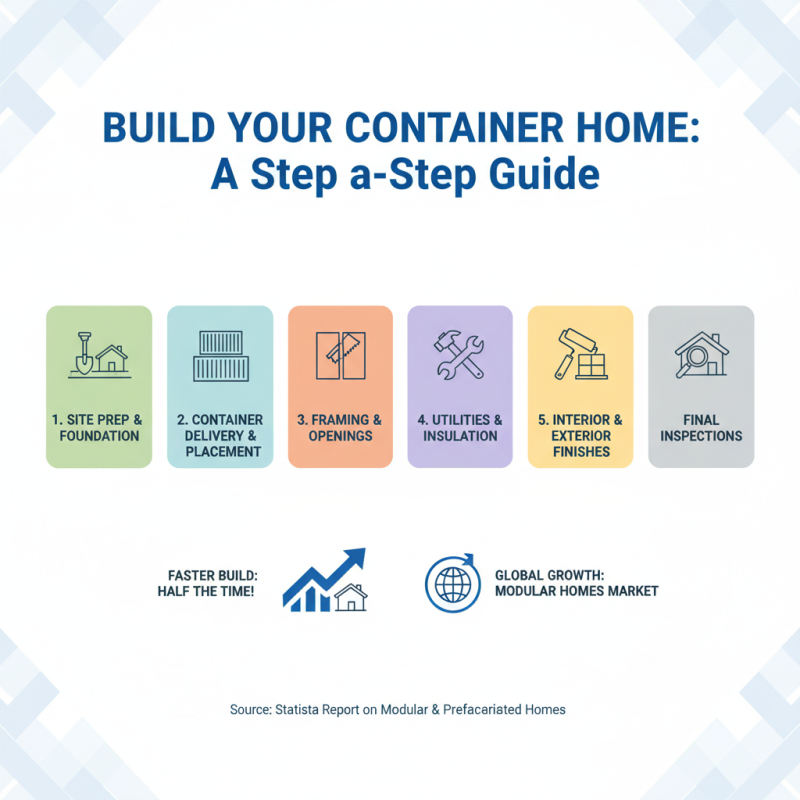
Building a container home can be an exciting and practical venture for first-time builders. The step-by-step assembly process involves several critical phases, starting from site preparation to final inspections. According to a report by Statista, the global market for modular and prefabricated homes is projected to grow significantly, reflecting an increasing interest in innovative housing solutions. This approach not only reduces construction time significantly—often half that of traditional homes—but also offers unique architectural flexibility.
To begin the construction, it is essential to select a suitable site and ensure it is properly zoned for container housing. Ground leveling and foundational work are pivotal first steps. The container units should be carefully inspected for structural integrity before they are delivered to the site. Once on-site, proper insulation and weatherproofing are necessary to ensure comfort and durability. Employing professionals when welding and modifying containers can ensure structural safety and compliance with building codes.
**Tip:** Consider creating a design plan that incorporates sustainable practices, as reports indicate that energy-efficient homes can reduce utility costs by up to 30-50%. Additionally, if you plan on stacking containers for multiple levels, be mindful of the weight distribution and obtain engineering advice to maintain safety.
As you progress through the assembly, focus on the interior layout and plumbing installation to avoid future complications. Prioritizing quality materials for insulation, flooring, and fixtures can lead to a more sustainable and aesthetically pleasing end product. Keep in mind that optimizing your container home's design for natural light and ventilation can significantly enhance its livability, as studies have shown that homes with ample natural light can improve occupant well-being.
Finishing Touches: Interior and Exterior Design Options
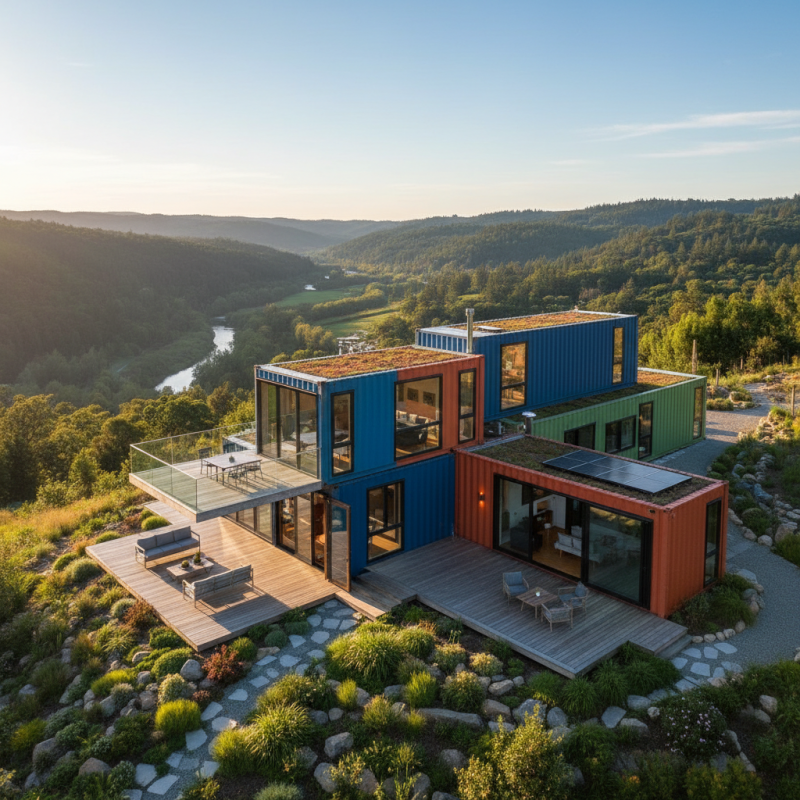
When designing the interior and exterior of a container home, the choices you make can significantly impact both aesthetics and functionality. According to a report by the Container Association, container homes are gaining popularity due to their affordability and versatility, with a projected growth rate of 11.7% in the next five years. For the exterior, consider using weather-resistant finishes such as metal siding or wood cladding, which not only enhance the appearance but also protect the structure from elements. Additionally, incorporating sustainable features like green roofs or vertical gardens can improve energy efficiency while offering a unique aesthetic appeal.
Tip: Use bright colors or large windows on the exterior to create a more inviting atmosphere. Opting for painted surfaces or good-quality finishes can also elevate the visual appearance, making your container home blend seamlessly with various environments.
On the interior side, maximizing space is key. Open floor plans are highly recommended to create a sense of spaciousness, while modular furniture can help in maintaining flexibility for different needs. Incorporating natural light through strategically placed skylights can also make smaller spaces feel larger. A recent survey by the Home Builders Association found that 62% of homeowners prioritize natural light in their design, underscoring its importance in enhancing livability.
Tip: When choosing color palettes, light and neutral shades can enhance the feeling of space and brightness, making your container home more welcoming. Consider using multifunctional furniture to further optimize interior space usage.
Container Home Finishing Touches: Design Options