Why You Should Build Your Own Container Home Today?
Building your own container home is an innovative solution for modern living. According to a report by the Container Home Institute, the global market for container homes is projected to grow by 30% in the next five years. This growth highlights an increasing interest in sustainable, affordable housing options. Experts in the field, like architect Sarah Evans, emphasize this trend: "Container homes offer flexibility and eco-friendliness not found in traditional housing."
Many people are drawn to the idea of minimalism and sustainability. However, building your own container home can feel overwhelming. It requires careful planning and execution. Potential builders must consider zoning laws and design principles. There are moments when this journey feels daunting. The DIY approach invites both excitement and challenges; not everything will go as planned.
Despite the hurdles, the rewards can be significant. A well-built container home can reduce living costs and environmental footprint. Engaging in this project allows for creativity and personal expression. It's essential to embrace imperfection, learn from mistakes, and adapt along the way. Building your own container home is more than a construction project; it's a lifestyle choice that reflects growth and discovery.
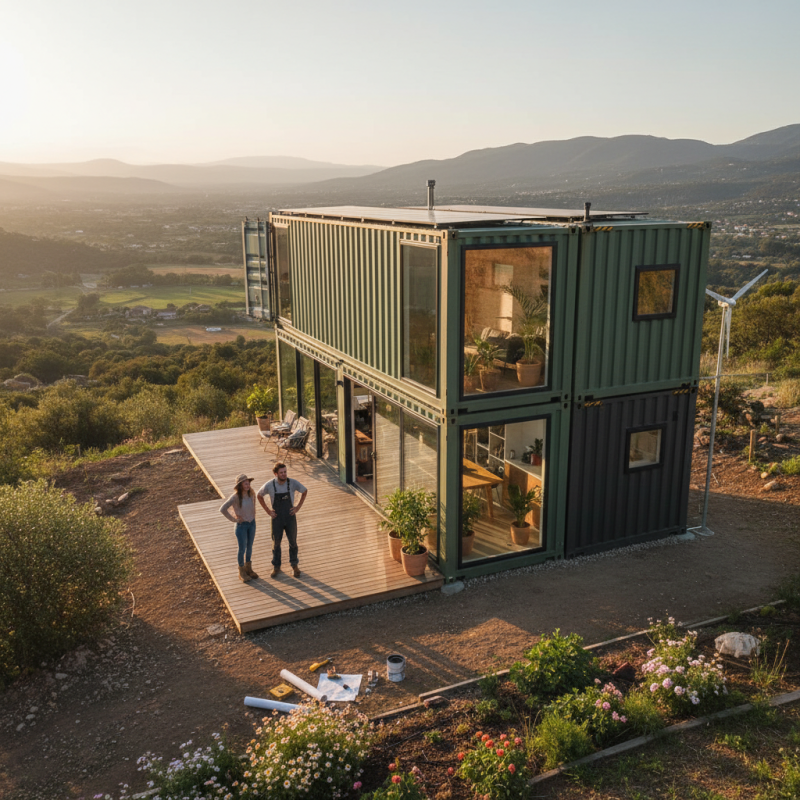
Benefits of Building Your Own Container Home: Cost Efficiency Explored
Building your own container home is increasingly popular, and for good reasons. One major benefit is cost efficiency. Shipping containers, often available at lower prices, can transform into stunning living spaces. The initial investment is usually significantly less compared to traditional homes. For those looking to save money, this option is compelling.
Additionally, container homes can reduce construction costs. The building materials needed are often minimal, leading to fewer expenses. However, it’s essential to consider hidden costs, like insulation and plumbing. These can add up quickly, so it’s vital to budget carefully. Some people overlook these details, which can lead to financial strain.
While many rejoice in their unique designs, others face challenges. Container homes can have unexpected issues, such as zoning laws or financing hurdles. Each region has its regulations. This can make the process complicated. Buyers should research local laws thoroughly to avoid setbacks. Despite the potential pitfalls, container homes offer a vibrant, cost-effective alternative to traditional housing.
Cost Efficiency of Building Container Homes
Sustainable Living: The Environmental Impact of Container Homes
Container homes are emerging as a sustainable alternative to traditional housing. Their construction significantly reduces waste. According to the World Economic Forum, approximately 30% of construction materials end up in landfills. By repurposing shipping containers, this problem can be minimized. A single container can save around 7,000 kg of steel from being produced. Additionally, container homes often utilize less energy for heating and cooling due to their compact design.
There are many eco-friendly features you can integrate into your container home. Consider installing solar panels to generate renewable energy. Water-efficient fixtures can save resources. Insulation materials made from recycled products can improve energy efficiency. According to the U.S. Green Building Council, buildings that incorporate green designs can reduce energy consumption by up to 30%.
However, building a container home does require careful planning. You may face zoning restrictions or challenges based on location. It’s essential to consult local regulations before starting your project. A well-thought-out approach can lead to innovative living solutions that are both sustainable and practical. Embracing such homes contributes to a greener planet and showcases a commitment to thoughtful living.
Why You Should Build Your Own Container Home Today? - Sustainable Living: The Environmental Impact of Container Homes
| Aspect |
Details |
| Environmental Impact |
Reduced carbon footprint compared to traditional homes |
| Cost Effectiveness |
Typically 20-50% cheaper than conventional building methods |
| Construction Time |
Faster construction time; often completed in a few months |
| Sustainability |
Reuses shipping containers, minimizing waste |
| Versatility |
Can be designed for various purposes: homes, offices, studios |
| Energy Efficiency |
Easily insulated and equipped with renewable energy technologies |
Design Flexibility: Customizing Your Container Home to Fit Your Needs
Designing a container home allows for unparalleled flexibility. Each container can be tailored to your unique needs. Want an open kitchen? No problem. Need extra bedrooms? Just stack more containers. You have control over every aspect, from layout to materials. This customization fosters creativity and ownership.
However, customization can present challenges. You may face zoning regulations that limit your design options. Layout planning can be tricky, as every container has fixed dimensions. Thinking about plumbing and electrical systems? It’s more complex than it seems. Planning for insulation and energy efficiency is crucial, especially in varying climates. Each choice shapes your living experience.
While the process can be daunting, the rewards are substantial. Creating a space that reflects your taste is empowering. A unique design can enhance functionality and aesthetics. Embracing imperfections in the design process can lead to innovative solutions. Your container home can become a true reflection of who you are.
Construction Speed: How Container Homes Reduce Build Time Significantly
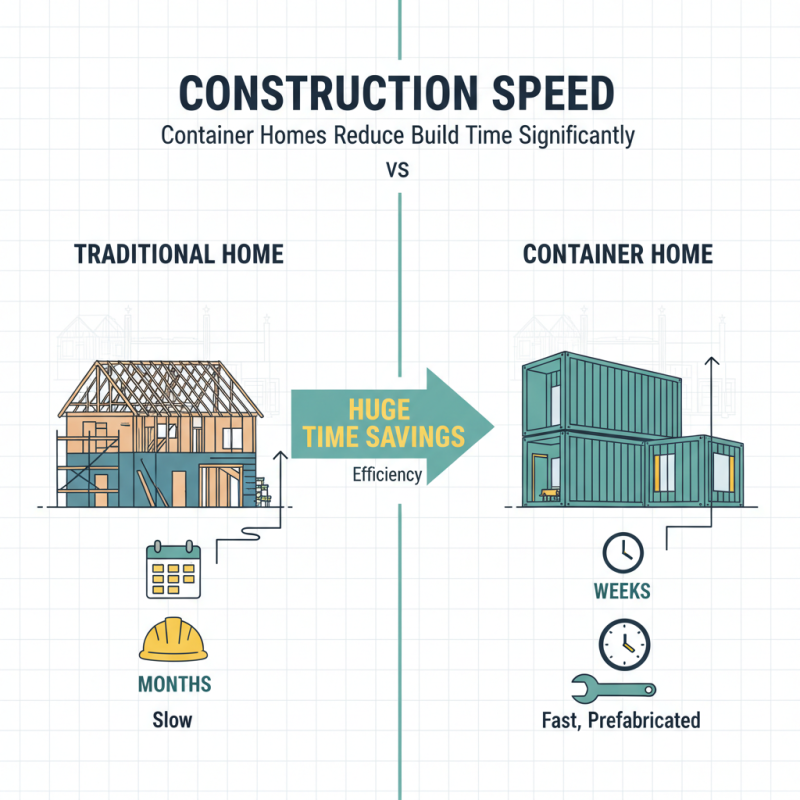
Container homes are gaining popularity for a good reason. One major advantage is their construction speed. Traditional home building can take months, even years. In contrast, container homes can often be completed in a matter of weeks. This efficiency stems from their prefabricated nature. The building materials are often delivered to your site ready for assembly, minimizing delays.
Another aspect is the reduction of labor costs. Fewer workers are required for a shorter time. This efficiency can lead to significant savings. However, it is essential to be aware that rushing through the process can lead to oversights. It is crucial to prioritize quality over speed. Taking time to properly insulate and finish the home ensures long-term durability.
Design flexibility is another perk. While container homes can be built quickly, they also allow for personalization. Each design choice can reflect the owner’s needs and preferences. Yet, one must remember that not all designs will work seamlessly. Some ideas may require adjustments during construction. Embracing this challenge is part of the journey. Building a container home can be a rewarding experience that blends speed with creativity.
Market Trends: The Rising Popularity of Container Homes in Real Estate
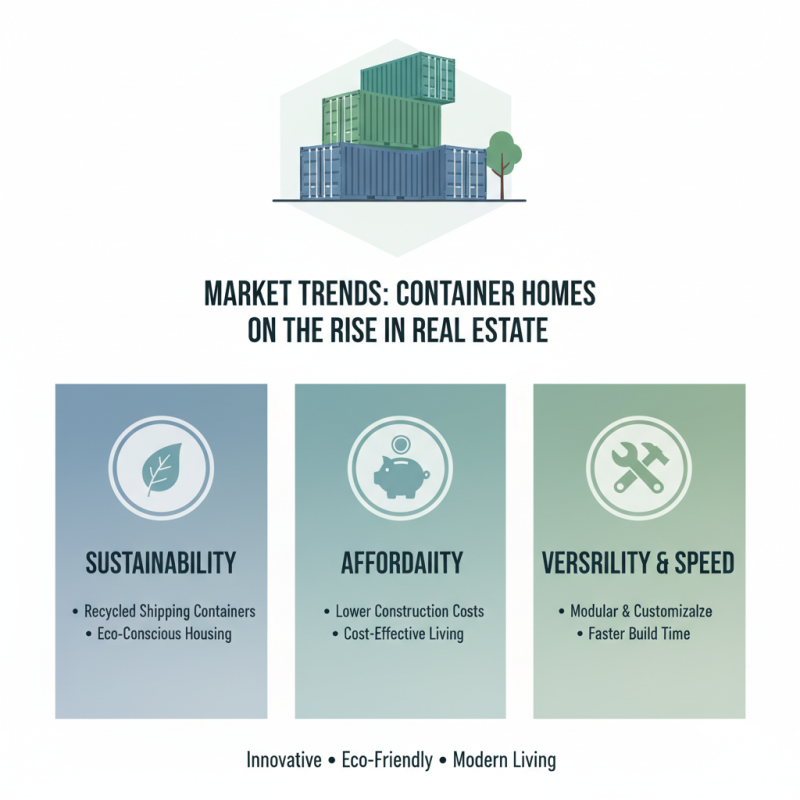
Container homes are gaining traction in the real estate market. Their popularity springs from several key factors. Sustainability tops the list. These homes recycle shipping containers that might otherwise go to waste. Eco-conscious buyers appreciate this innovative approach to housing.
Moreover, container homes are often more affordable than traditional houses. With rising construction costs, these structures provide an attractive alternative. They can be customized, allowing owners to create unique living spaces. Buyers are drawn to the versatility and efficient use of space. However, challenges exist. Container insulation can be tricky. Proper design is crucial to ensure comfort in various climates.
The market shows a growing acceptance of alternative housing options. Many real estate investors are exploring container homes. Some envision these structures as vacation rentals or starter homes. Yet, regulatory hurdles can pose difficulties. Zoning laws may complicate container home placement. Reflecting on these issues is essential for potential buyers. Understanding both the benefits and challenges can lead to more informed decisions.