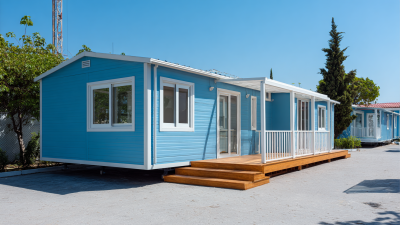
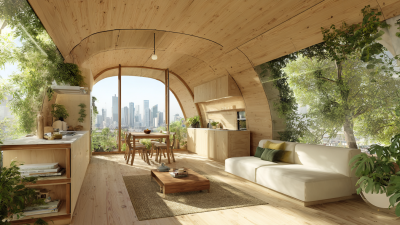
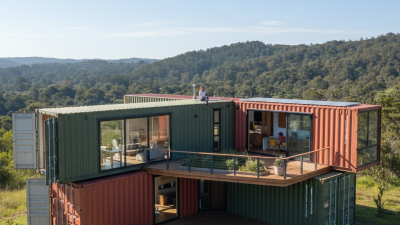
The growing interest in prefab box homes reveals a shift in modern housing needs. These homes offer flexibility, affordability, and innovative design. In China, the emergence of high-quality prefab box homes has attracted global buyers seeking smart living solutions.
Investing in prefab box homes comes with many advantages. They are quickly assembled, reducing construction time significantly. Additionally, sustainable materials often used in their construction help meet eco-friendliness standards. However, buyers must consider local regulations and market variations that could affect their investment.
Navigating the prefab box homes market requires informed decisions. Sourcing reputable manufacturers is crucial to ensure quality and durability. Understanding the balance between cost and quality can be challenging. Buyers may face uncertainty about long-term value. Exploring these insights can empower potential investors to make sound choices in the ever-evolving landscape of prefab housing.
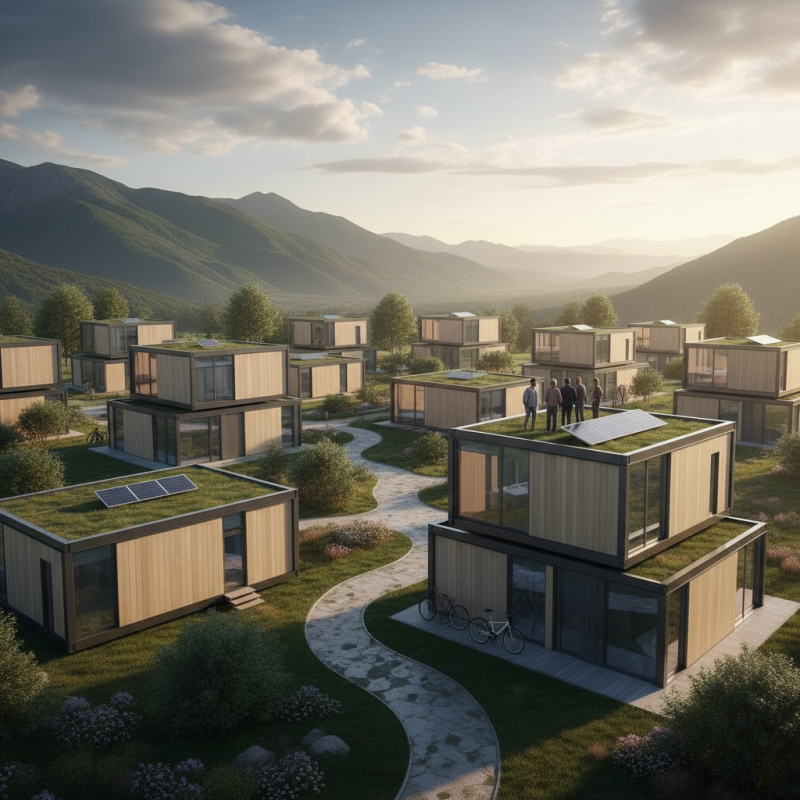
Prefab box homes have gained significant traction in China, reflecting a broader shift in construction and housing solutions. These homes, characterized by their modular design and efficient assembly, cater to diverse needs from urban dwellings to remote area housing. According to a report by IBISWorld, the prefab housing industry in China is projected to grow at an annual rate of 8.5% over the next five years. This growth is fueled by rising urbanization and the need for affordable housing.
Despite their advantages, prefab box homes face critiques regarding durability and design flexibility. The perception of these homes can be narrow, often viewed as basic or unattractive. There’s also concern about the long-term environmental impact of the materials used. However, many manufacturers are adopting sustainable practices, striving to improve both aesthetics and resilience. A more balanced view is essential for potential buyers to appreciate both strengths and limitations.
**Tip:** When considering a prefab box home, assess not just the cost but also the materials and design options available. Researching various manufacturers can provide insights into the quality and sustainability of their products.
In recent times, consumer interest in eco-friendly solutions has surged. Many buyers are looking for homes with minimal environmental footprints. It is necessary to keep an eye on how these homes evolve to meet such demands. Adopting a holistic view of gained benefits and drawbacks can pave the way for better decision-making.
| Model | Size (sqm) | Material | Price (USD) | Features |
|---|---|---|---|---|
| EcoHome 1 | 45 | Steel | 15,000 | Sustainable, Lightweight, Quick Assembly |
| BudgetBox 3 | 60 | Wood | 18,000 | Modern Design, Insulated, Energy Efficient |
| ComfortNest 2 | 75 | Concrete | 22,000 | Luxurious Finish, Spacious, High Durability |
| FlexiBox 4 | 90 | Aluminum | 25,000 | Modular, Customizable Layout, Lightweight |
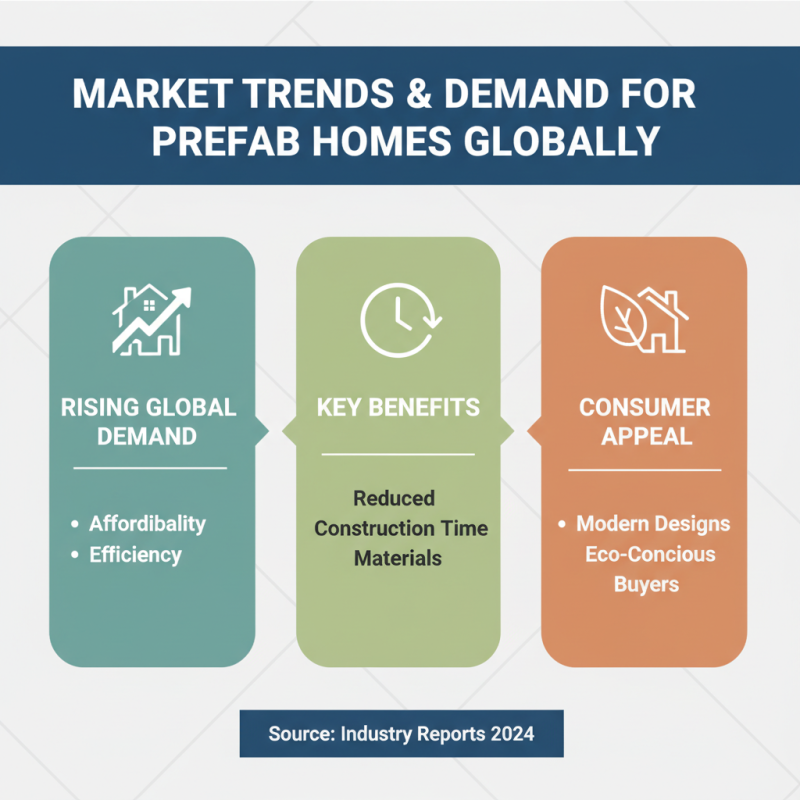
China has emerged as a leader in the prefab box home market. The country produced over 1.5 million prefab homes in 2022, according to industry reports. The demand is growing globally for these innovative housing solutions. Buyers seek flexibility and sustainability.
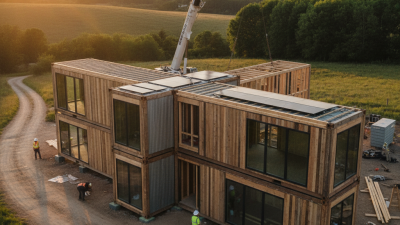
One key feature of China’s best prefab box homes is their energy efficiency. Many models use advanced insulation materials. This reduces energy consumption by up to 30%. Moreover, some designs incorporate solar energy systems. This makes them eco-friendly and reduces utility costs.
Another noteworthy aspect is the rapid construction time. Prefab homes can be assembled in days, not months. This ability addresses urgent housing needs. However, challenges such as quality control still exist. Ensuring consistency across various manufacturers requires ongoing effort. Many buyers are concerned about durability too. Thus, thorough research and inspection before purchase are crucial.
The global demand for prefab homes is rising rapidly. A growing number of buyers appreciate their affordability and efficiency. These homes often minimize construction time. With sustainable materials and modern designs, they attract environmentally conscious consumers.
Market trends indicate a shift towards customization. Buyers want homes that reflect their unique lifestyles. Prefab companies are adapting by offering diverse options. However, some still struggle to meet rising expectations. Quality control remains a crucial factor in customer satisfaction.
Consumer preferences are also evolving. Many seek energy-efficient solutions that cut utility bills. Smart home technology integration is becoming essential. Yet, not all prefab homes can accommodate these technologies seamlessly. This gap highlights the industry's need for innovation and improvement. As the market matures, buyers will continue to drive change by demanding more from their homes.
The growing popularity of prefab box homes reflects a shift in housing trends worldwide. In China, advanced manufacturing techniques have made these homes more affordable and efficient. They are often made from high-quality materials and designed for modular assembly. This efficiency reduces construction time and costs significantly. However, there are concerns about long-term durability and environmental effects.
When comparing China's prefab housing industry to others, several factors emerge. Countries like the United States and Germany also produce prefab homes but often focus on customization and design aesthetics. Chinese models tend to prioritize speed and cost-effectiveness over individuality. While this appeals to many buyers, it raises questions about the balance between affordability and quality. Is a lower price worth potential trade-offs in long-term satisfaction?
Moreover, regulatory frameworks differ greatly. In some nations, strict building codes ensure safety and quality, while China's guidelines may be less stringent. This inconsistency affects buyers' trust and perception of prefab homes. As global demand grows, exploring these contrasts can improve industry standards. Stakeholders must reflect on these challenges to enhance credibility and reliability in the prefab housing sector.
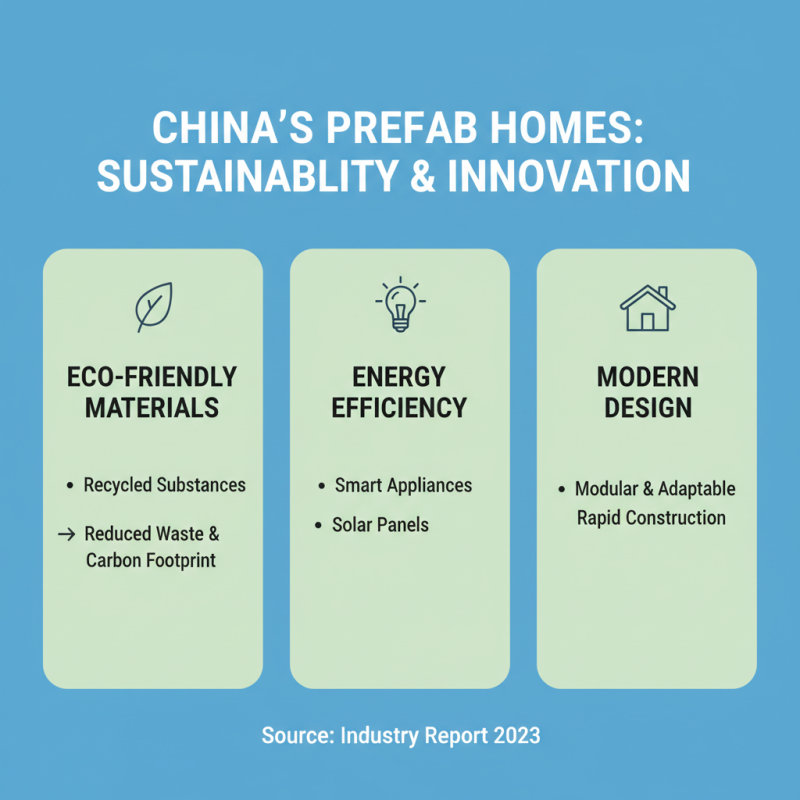
Sustainability has become a crucial focus in the prefab home industry in China. The rise of eco-friendly materials marks a significant shift. Many manufacturers now prioritize recycled substances in their designs. This not only reduces waste but also lowers the carbon footprint. These homes often feature energy-efficient appliances and systems. Solar panels have become a common addition.
Innovation plays a vital role as well. New building techniques are emerging, providing quicker assembly times without compromising quality. Modular designs allow for flexibility and customization. However, the industry still faces challenges. Not all companies meet the same sustainability standards. Some continue to rely on less eco-friendly practices. This inconsistency can confuse consumers looking for genuine sustainable options.
Consumer awareness is rising globally. Buyers now demand transparent information about materials and processes. This trend encourages manufacturers to adopt better practices. However, not every company is equipped to handle such changes. The quest for sustainability in China’s prefab home market is ongoing. It reflects broader changes in housing demands and environmental responsibility.