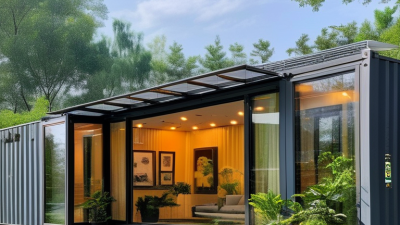
How to Choose the Best Modular Container Homes for Your Needs?
Choosing the right modular container homes is essential for a satisfying living experience. These homes are not only versatile but also provide unique solutions to modern housing needs. As urbanization increases, container homes modular have gained popularity due to their innovative designs and eco-friendly nature.
When selecting container homes modular, it’s vital to consider your specific requirements. Think about the size, layout, and functionality you need. Many companies offer customizable options, but that can also become overwhelming. Sometimes, the broader choices can lead to confusion rather than clarity.
Take your time to research and reflect. Look for reputable manufacturers with a track record of satisfied customers. Explore their designs and ask questions about sustainability and insulation. Remember, investing in a modular container home is significant. Mistakes in your selection might lead to regrets later. Make informed choices for a happier, more comfortable living space.
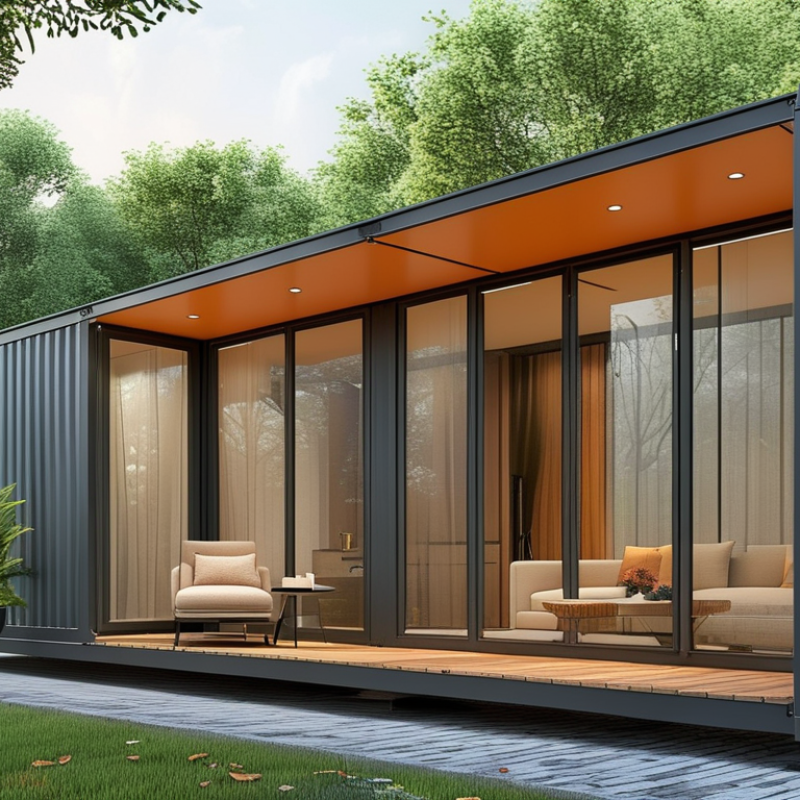
Understanding Modular Container Homes: Key Concepts and Benefits
Modular container homes are increasingly recognized for their unique benefits. They provide flexible and efficient living spaces. According to a 2022 industry report by McKinsey, the modular construction market is expected to reach $130 billion by 2030. This growth shows that many people value the advantages these homes offer.
These homes are built using repurposed shipping containers. They can be customized to fit individual needs, from size to layout. Their construction is faster than traditional homes. A study from the National Institute of Standards and Technology suggests that modular homes can reduce building times by up to 50%. This speed can make a significant impact in urgent housing situations.
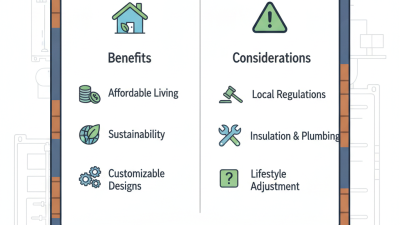
Environmentally, modular container homes are noteworthy. The use of recycled materials can lessen the ecological footprint. However, some challenges arise. Not all containers are suited for residential living. It’s essential to consider insulation, plumbing, and compliance with local regulations. Future homeowners must weigh these aspects carefully. Balancing cost and quality is crucial in making the best choice.
Assessing Your Space Requirements for Modular Container Homes
When considering modular container homes, evaluating your space requirements is crucial. Understanding how much space you truly need can save you both time and money. According to industry studies, various households require different layouts. For instance, a single individual might thrive in a compact 320-square-foot unit, while a family of four may need at least 1,000 square feet.
Assess your lifestyle and needs carefully. If you anticipate growth, plan for extra space. Think about how you will utilize each area. It’s not just about the number of rooms. A well-designed open space can serve multiple purposes. Reports suggest that homes designed with multifunctional areas hold better value and functionality over time.
Moreover, it’s essential to consider future adaptability. Modular container homes often allow for extensions or modifications. This flexibility can be a game changer. Yet, many overlook this and end up with a space that soon feels cramped. Assess your long-term vision before committing to a design. Planning can help avoid regrets down the line, ensuring your home meets your evolving needs effectively.
Evaluating Design Options for Modular Container Homes
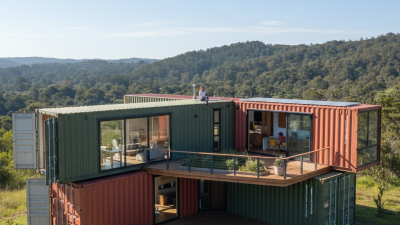
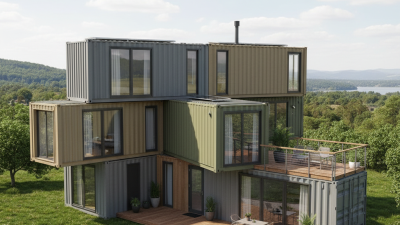
When evaluating design options for modular container homes, consider both aesthetics and functionality. The exterior design significantly affects curb appeal. Choose a color scheme that complements the surroundings. Incorporating large windows can enhance natural light. This can create an inviting atmosphere inside. Some designs might prioritize minimalism, while others focus on bold statements.
Space efficiency is vital in container homes. Assess the floor plan layout for practicality. Open-concept designs can make compact spaces feel larger. However, they may lack privacy. Think about your specific needs. Do you require separate rooms, or can you work with multi-functional spaces? These decisions influence daily living.
Another aspect to ponder is sustainability. Selecting eco-friendly materials can enhance the home's longevity. Consider insulation options that maintain comfortable temperatures. Unique design choices, like green roofs or vertical gardens, add character and promote environmental benefits. It’s essential to reflect on what resonates with your lifestyle while ensuring durability and comfort.
Budgeting for Your Modular Container Home Project
Budgeting for a modular container home project involves careful planning and awareness of various costs. A recent report by the Container Housing Association states that the average cost of a modular container home ranges from $10,000 to $40,000 per unit. This figure does not include additional costs such as land, utilities, and installation. When considering these factors, prospective buyers must create a budget that accounts for both the initial investment and ongoing expenses.
It can be easy to underestimate costs. Many overlook site preparation, which can cost upwards of $5,000. Other expenses include permits, which vary by location. A survey indicated that 75% of new homeowners faced unplanned costs during their projects. This can lead to financial strain. Therefore, it is important to conduct thorough research and consult local regulations beforehand.
Additionally, financing options may impact your budget significantly. Consider low-interest loans or other funding solutions that accommodate unique needs. Be prepared to adjust your expectations based on available finances. It is essential to keep a flexible mindset to adapt to challenges throughout the building process. Effective budgeting is critical for ensuring that your dream of a modular container home stays within reach while maintaining financial stability.
How to Choose the Best Modular Container Homes for Your Needs? - Budgeting for Your Modular Container Home Project
| Factor |
Description |
Estimated Cost (USD) |
| Size |
Determine the ideal size based on your space requirements and number of residents. |
$15,000 - $40,000 |
| Customization |
Options for layout, interior finishes, and exterior aesthetics to suit your taste. |
$5,000 - $20,000 |
| Location |
Consider zoning laws and land access for installation. |
$1,000 - $5,000 |
| Utilities |
Installation costs for water, electricity, and sewage connections. |
$2,000 - $10,000 |
| Transport |
Costs associated with delivering the container home to your site. |
$1,500 - $3,500 |
| Foundation |
Building a suitable foundation or support structure for the container. |
$3,000 - $7,000 |
| Insurance |
Cost of insuring your modular container home. |
$500 - $1,500 annually |
Choosing the Right Location for Your Modular Container Home
Choosing the right location for your modular container home is crucial for maximizing comfort and functionality. According to a recent industry report, nearly 35% of homeowners prioritize location when selecting modular housing options. It’s not just about affordability; environmental factors play a significant role. Consideration of local climate can impact both design and energy efficiency. A home in a milder climate may require less insulation, potentially reducing energy costs.
Proximity to amenities also matters. Living near schools, grocery stores, and healthcare facilities enhances daily life. However, data shows that urban areas can inflate property costs by up to 25%. This trade-off between accessibility and price is essential to evaluate.
Bear in mind that zoning laws can affect your plans. Many areas have strict regulations regarding modular homes. Failing to understand these can lead to significant delays or additional expenses. Understanding local codes is as vital as the physical characteristics of the land. Improperly chosen locations may lead to regret down the line. Assess the land's layout and natural features before settling on your dream home.