How to Choose the Best Modular Homes for Your Needs?
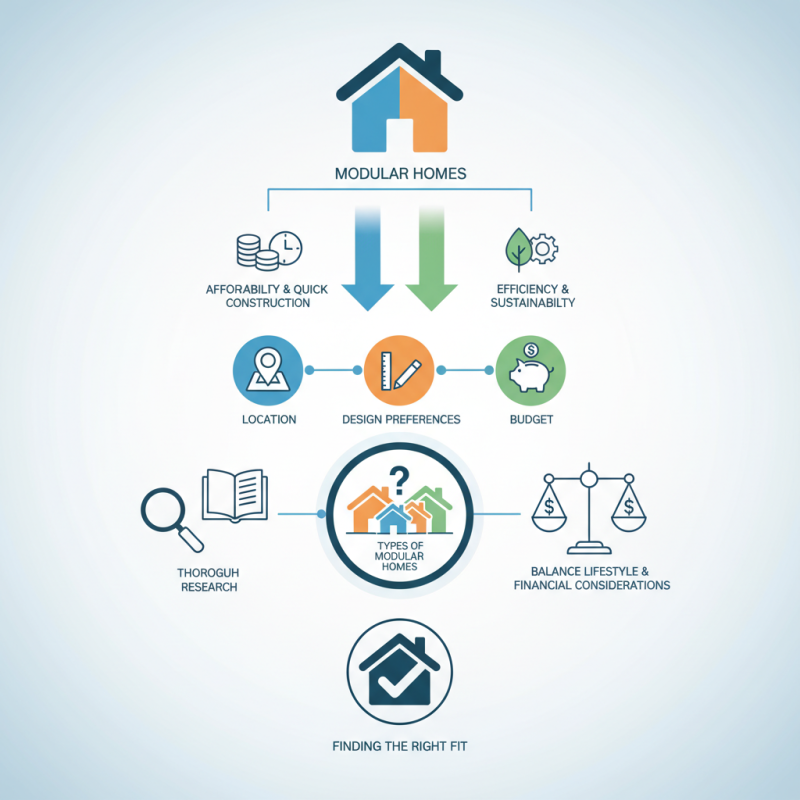
The demand for modular homes has surged in recent years, driven by their affordability and quick construction times. According to the Modular Building Institute, the modular construction market is expected to reach $157 billion by 2023. This growth illustrates a shift in how people approach homebuilding, focusing more on efficiency and sustainability.
Modular homes offer flexibility, allowing homeowners to customize layouts and features. However, selecting the right modular home requires careful consideration. Factors such as location, design preferences, and budget play crucial roles in this decision. It's essential to understand the different types of modular homes available, as these can significantly impact the overall experience and satisfaction.
Potential buyers should also be aware of the limitations inherent in modular construction. While they provide convenience, some may find the offerings less diverse compared to traditional homes. Therefore, it is vital to approach the selection process with thorough research. Knowing what fits your needs will make a substantial difference in the long run. The goal is to find a balance that aligns with both lifestyle and financial considerations.
Assessing Your Housing Needs and Preferences
When choosing a modular home, assessing your housing needs and preferences is crucial. This process begins with understanding your lifestyle. Are you a growing family, a retiree, or a single professional? Each group has distinct requirements. For instance, families often prioritize additional bedrooms and play areas. According to the National Association of Home Builders, 63% of home buyers look for a minimum of three bedrooms. This data highlights how crucial it is to assess your current and future needs.
Next, consider your preferred aesthetic and functionality. Modular homes offer a variety of styles, from contemporary to rustic. Choose layouts that fit your life. Open floor plans are popular for social gatherings, but they may not suit everyone. Additionally, energy efficiency is a growing concern. The U.S. Department of Energy states that energy-efficient homes can reduce energy costs by 30-50%. Reflect on how energy needs influence your decision.
Think about customization too. Modular homes allow for flexibility in design, but over-customization can lead to budget overruns. Assess what's essential versus what is merely desirable. Many buyers face regrets after overspending on features they hardly use. Finding a balance is key to selecting the best modular home for your unique situation.
Bar Chart: Key Factors to Consider When Choosing Modular Homes
Understanding Modular Home Types and Styles
When choosing a modular home, understanding the various types and styles is essential. Modular homes can be categorized into multiple designs, including ranch, two-story, and contemporary styles. Each design offers unique aesthetic appeal and functionality, catering to different lifestyles and preferences. For instance, a ranch-style home typically maximizes single-level living, ideal for families or retirees seeking convenience.
Another key aspect is the customization options available. Many modular homes allow for flexibility in floor plans, interior finishes, and exterior designs. Buyers should consider their daily living needs—do you require more bedrooms or an open-concept space? Reflect on your lifestyle and the activities you enjoy. A well-chosen home should blend seamlessly with your routines and preferences.
It’s also crucial to be aware of the potential drawbacks of certain styles. Some designs may not fit into specific environments or local regulations. Additionally, while modern styles are trendy, they may not suit everyone’s tastes in the long run. It’s beneficial to research local zoning laws and ensure that your chosen style aligns with the community. Taking the time to evaluate these aspects will help you create a more satisfying home experience.
Evaluating Budget and Financing Options
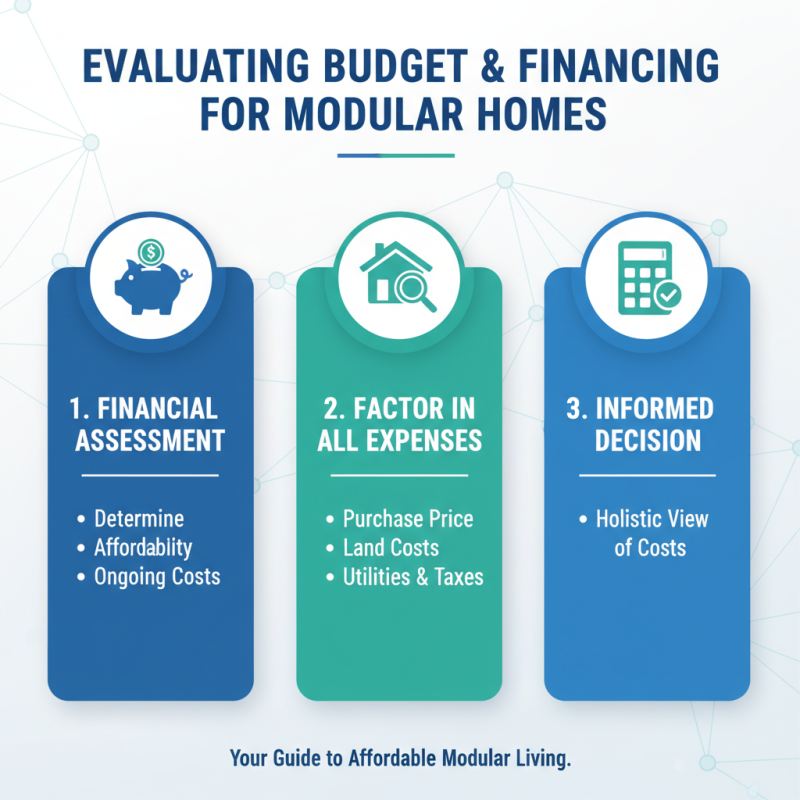
When choosing modular homes, budget becomes crucial. Assess your financial situation first. Identify how much you can afford for both initial costs and ongoing expenses. Consider not just the purchase price. Factor in land costs, utilities, and taxes. Each element impacts your final decision.
Financing options require careful evaluation. Traditional loans are common but may not suit everyone. Alternative financing methods, like personal loans or builder financing, can offer flexibility. Research local credit unions or banks for competitive rates. Also, think about down payment requirements. A higher down payment can lower monthly payments significantly.
Unexpected expenses often arise. Buyers should prepare for the possibility of changes in project costs or upgrades. Create a contingency fund to address these issues. Paying attention to these financial details helps ensure a smoother experience with modular homes. Consider your long-term financial health. Making informed decisions today will affect your future stability.
Researching Manufacturers and Suppliers
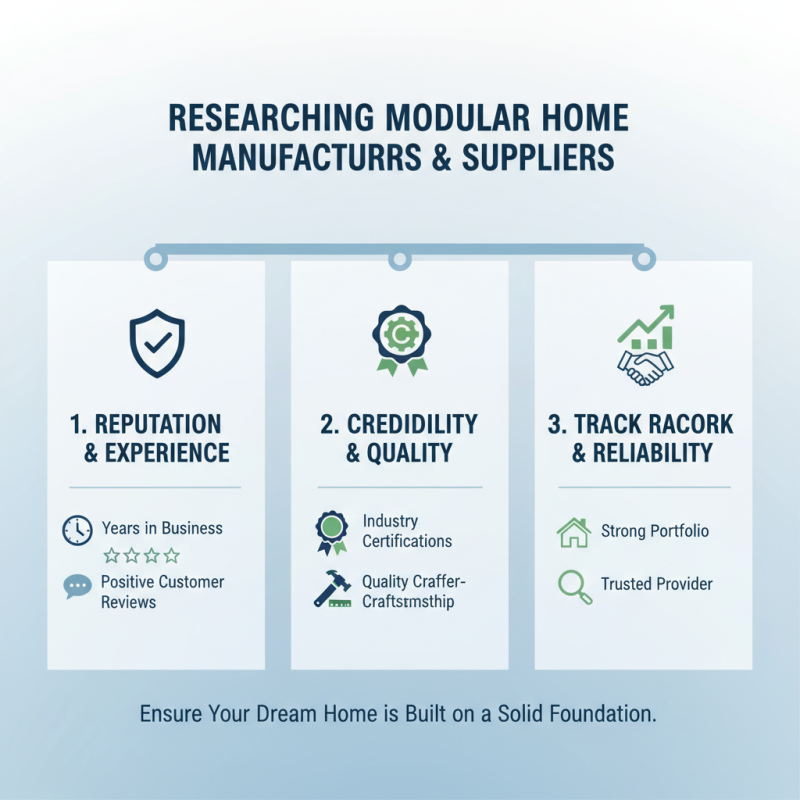
When looking for modular homes, researching manufacturers and suppliers is crucial. Start by examining their reputation and experience. Reliable companies should have a strong track record. This can include years in business and positive reviews from previous customers. Check for any industry certifications that verify their credibility. A good reputation often indicates quality craftsmanship.
Next, evaluate the options they offer. Some have a limited selection, while others provide customizable designs. Look for suppliers who understand your needs. This may include energy efficiency, layout preferences, or material choices. Don’t hesitate to ask for samples or visit model homes. These experiences will help you visualize your future home.
Finally, consider communication. A responsive supplier will make your journey smoother. Pay attention to how they address concerns or questions you have. A lack of clarity can be a red flag. By taking these steps, you can make an informed choice that suits your lifestyle.
Considering Location, Land, and Zoning Regulations
Choosing a modular home involves careful consideration of location, land, and zoning regulations. These factors can significantly impact your overall satisfaction and investment. Understanding the ideal location is essential since it influences your lifestyle, commute, and access to amenities. A report from the National Association of Home Builders indicates that over 40% of home buyers prioritize proximity to schools and shopping centers when choosing their homes.
Land selection also requires thorough research. It's crucial to assess the soil quality, topography, and drainage. For instance, properties on sloped land can pose challenges and may require additional foundation work. Moreover, local zoning regulations can determine what types of structures you can build. Many areas have strict zoning laws, which can restrict building heights, aesthetics, or even the use of the land. A survey by the American Planning Association noted that around 30% of potential homebuyers overlook these critical zoning issues, leading to delays and additional costs.
Inadequate preparation can lead to unwanted surprises later. It’s vital to engage with local authorities and community planners early in the process. Individuals often ignore potential zoning restrictions until it’s too late. This oversight can hinder your project and result in added expenses. Evaluating these aspects thoroughly will improve your chances of selecting the best modular home suited for your needs.
How to Choose the Best Modular Homes for Your Needs?
| Criterion |
Details |
| Location |
Proximity to amenities, schools, and hospitals. |
| Land Requirements |
Size of the plot, soil quality, and accessibility. |
| Zoning Regulations |
Local rules regarding modular home construction and modifications. |
| Cost Considerations |
Budget for land, construction, and additional fees. |
| Design Preferences |
Style, layout, and energy-efficient options. |
| Future Expansion |
Possibility of adding more rooms or features later. |