How to Choose the Best Prefab Box Homes for Your Needs?
Prefab box homes are increasingly popular for their affordability and modular design. According to a recent report by the Modular Building Institute, the prefab housing market is expected to reach $66 billion by 2026. These homes are flexible and can be customized to various needs. Experts like John Smith, a leading architect in the prefab industry, emphasizes that "the future of housing lies in smart, adaptable structures."
Choosing the right prefab box home requires careful consideration of several factors. Size, budget, and design often come into play. Each factor can profoundly impact the overall satisfaction with your new home. There’s a learning curve in understanding how different designs work. Not every option suits every lifestyle.
Potential buyers should also think about long-term sustainability. Sustainability can affect both living costs and environmental impact. It’s essential to reflect on what features matter most. Investing in a prefab box home means more than just a building; it’s about creating a livable space for the future.
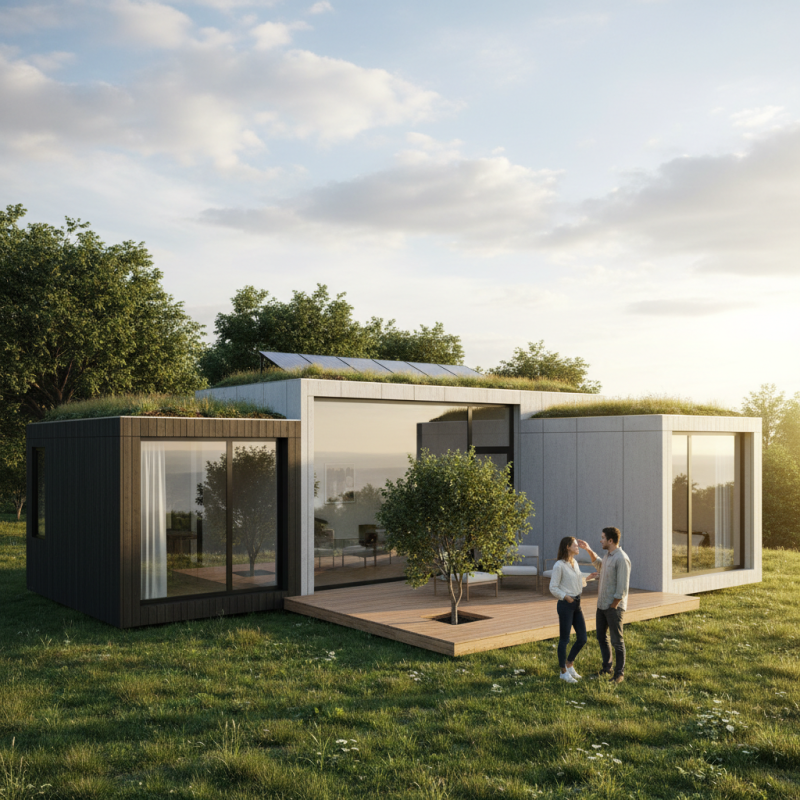
Understanding Prefab Box Homes: Key Features and Benefits
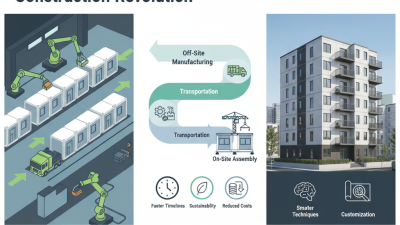
Prefab box homes are becoming increasingly popular. Their design offers numerous key features and benefits. Research shows that over 70% of buyers appreciate quick assembly times. Prefab homes can be built in weeks rather than months. This efficiency draws busy families and first-time homeowners.
Energy efficiency is another significant advantage. Many prefab box homes are designed with modern insulation materials. This can lead to energy savings of up to 50%. In addition, solar panel integrations are common. However, buyers must consider location and orientation for optimal energy gain. Issues may arise if structures are poorly placed. Not all designs fit all climates, so local environmental factors should be evaluated carefully.
Affordability also plays a role in the appeal of prefab homes. A report indicates that they can save homeowners at least 10-20% compared to traditional houses. However, additional costs may come from land preparation or site utilities. Understanding these variables is crucial before deciding. Remember, good planning helps avoid potential pitfalls during construction.
Understanding Prefab Box Homes: Key Features and Benefits
Assessing Your Budget and Financial Options for Prefab Homes
When considering prefab box homes, budget is a crucial aspect. Determine your financial limits before you start. A good starting point is to list all potential costs. This includes not just the home itself, but also land costs, delivery fees, and installation expenses. Many overlook these hidden costs. Be realistic about what you can afford at the moment.
Financial options vary widely. Some buyers can use savings. Others might consider loans or even lender financing specifically for prefab homes. Research all possibilities. Interest rates and loan terms can differ greatly. Don't rush into financing decisions. Comparing rates can save you money. Examine your long-term expenses, too. If you’re not careful, a cheap home can lead to costly repairs later.
Be prepared for some challenges. Prefab homes may require permits and approval, which can add time and expense. Factor in these potential delays when planning your budget. Staying organized will help you avoid unexpected financial strain. Reflect on your priorities. Do you need more space or are you looking for something cozier? Understanding your true needs can guide your financial choices effectively.
Evaluating Location and Land Requirements for Construction
Choosing the right location for your prefab box home is crucial. The land's attributes significantly influence your overall satisfaction. Think about accessibility. Is it near essential services? Consider the distance to schools, grocery stores, and healthcare facilities. A remote site may offer tranquility but could complicate daily life.
Land requirements also play a vital role. Check zoning laws before you purchase. Some areas may have strict regulations about home sizes or styles. Water drainage is another concern. Ensure the land doesn't flood during heavy rains. Land type matters too. Soil stability influences construction. Avoid sandy or overly rocky terrains.
It's essential to reflect on your lifestyle. Do you prefer urban energy or rural calm? Envision yourself in the space. What amenities do you need? Sometimes, your dream location isn't as ideal as it seems. Revisiting your needs versus wants is key. Flexibility in choosing where to place your home can yield surprising solutions.
How to Choose the Best Prefab Box Homes for Your Needs?
| Criteria |
Considerations |
Examples of Requirements |
| Location |
Proximity to amenities and services |
Schools, hospitals, shopping centers |
| Zoning Laws |
Restrictions and regulations for housing |
Residential vs commercial zoning |
| Land Size |
Space for home and outdoor area |
Minimum lot size requirements |
| Soil Quality |
Suitability for building |
Soil tests and drainage considerations |
| Utilities Access |
Availability of necessary services |
Water, electricity, sewage systems |
| Community Regulations |
Homeowner association rules |
Architectural guidelines, maintenance rules |
Choosing the Right Materials and Design for Your Needs
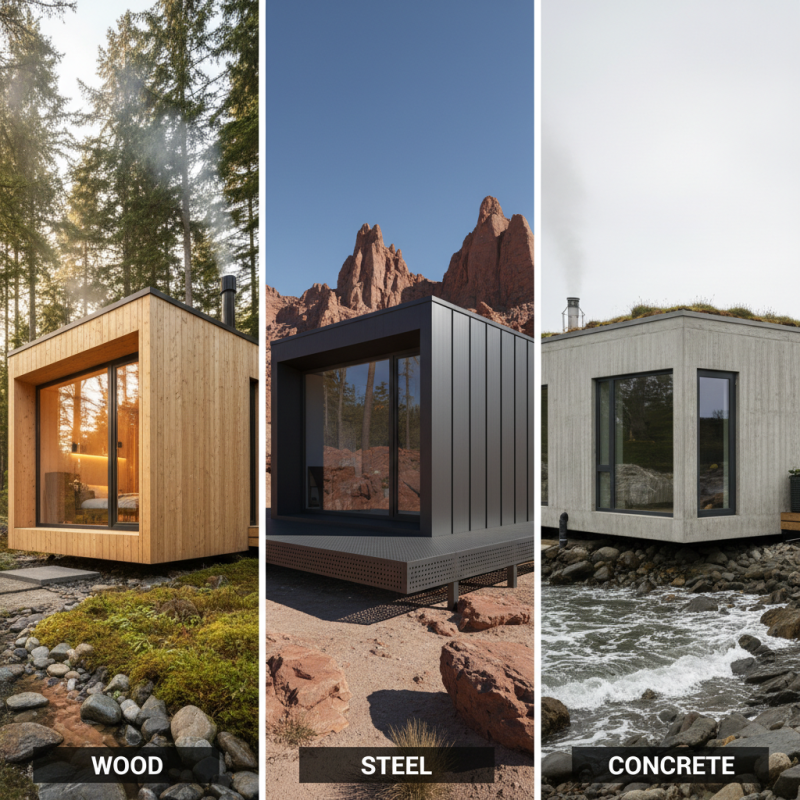
When selecting prefab box homes, materials play a crucial role. Wood, steel, and concrete are popular choices, each with unique benefits. Wood brings warmth and comfort, while steel offers durability. Concrete is attractive for its energy efficiency and low maintenance. However, remember that not all materials are suitable for every climate.
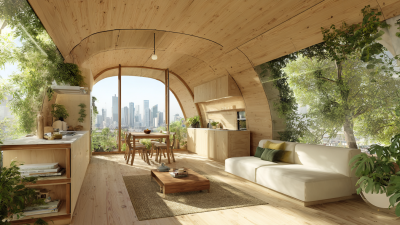
Design is equally important. An open floor plan can create a sense of space, but it might not suit everyone. Consider how you plan to use the space. Do you need separate rooms, or will an open concept work? Think about natural light too. Large windows can brighten a small area and enhance the feel of the home. But, don’t forget about privacy.
Also, consider the future. Your lifestyle may change, and so will your needs. It might be wise to leave room for expansion. Reflect on your choices and how they fit into your long-term goals. There are many paths to explore, and each decision shapes your living experience. Choose wisely, but also be open to change.
Exploring Customization Options and Future Expansion Potentials
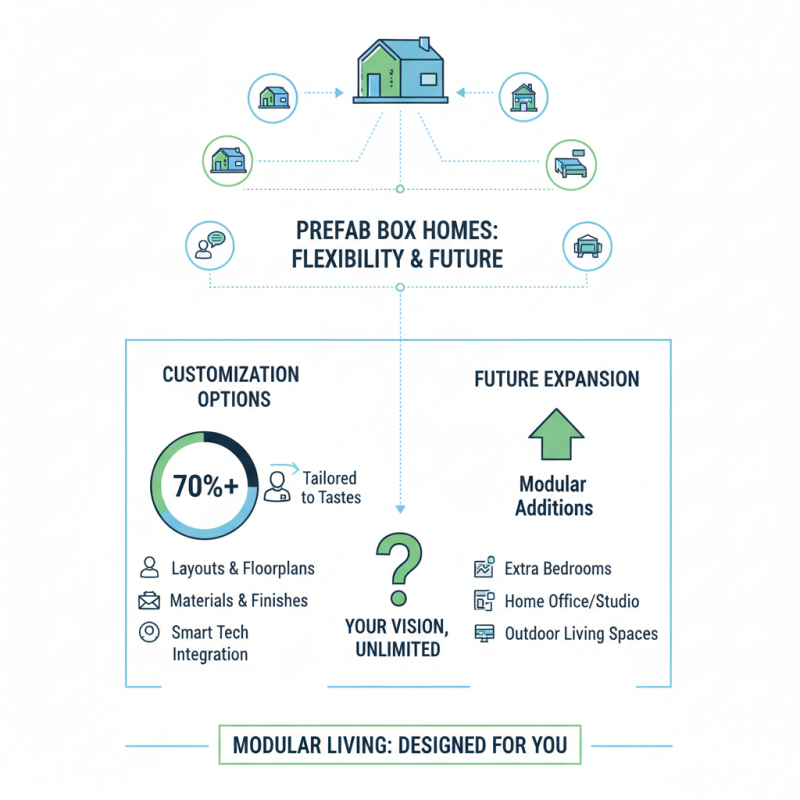
When considering prefab box homes, customization options and future expansion potential matter greatly. Many buyers desire flexibility. Reports indicate that over 70% of homeowners now seek designs tailored to personal tastes. This trend reflects a shift towards individuality in housing.
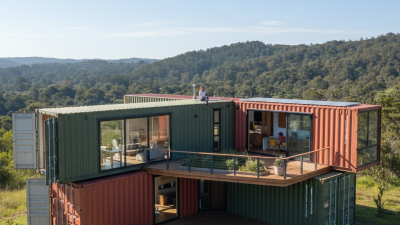
Customization extends beyond aesthetics. Buyers can choose layouts, materials, and energy efficiency features. For instance, installing solar panels can reduce long-term costs. Some designs allow for easy addition of rooms later, which appeals to growing families. However, not all models offer this scalability. It's essential to check structural guidelines beforehand.
Tips: Evaluate what features you cannot live without. Think about future needs as well. Remember, not all homes can be easily expanded. Always consult experts before making a decision. Your home's longevity depends on these crucial choices. Balancing current desires with future requirements is tricky but vital.