2026 How to Choose the Best Prefab Steel Homes for Your Needs?
As the demand for prefab steel homes continues to rise, many buyers are seeking the ideal option to suit their lifestyles. According to a recent report by the Steel Home Association, over 40% of homebuyers are now considering prefab steel options due to their durability and energy efficiency. Industry expert, John Mitchell, notes, "Prefab steel homes combine innovation and sustainability, making them a smart choice for modern living."
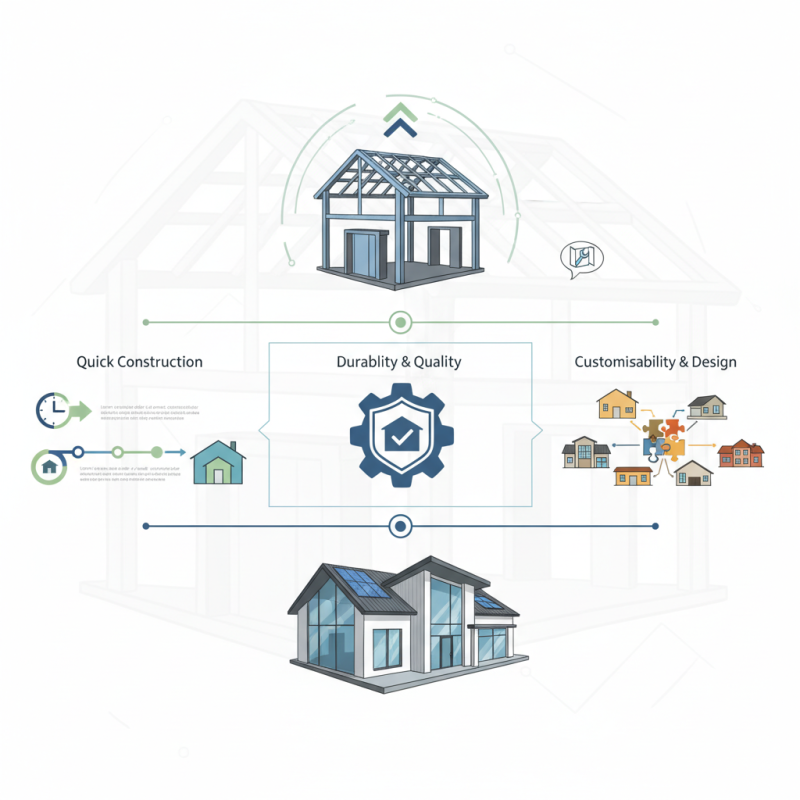
One significant advantage of prefab steel homes is their quick construction time. Traditional homes can take months or even years to complete, while prefab options often reduce this to just weeks. This efficiency is vital for those wanting to move in swiftly. However, potential buyers should remain cautious. Not every manufacturer meets the industry's high standards. Quality assurance is crucial for long-term satisfaction.
Although prefab steel homes offer many benefits, some may overlook customizability. Buyers should consider how much personalization they desire. Not all styles can be easily achieved with prefab designs, prompting reflection on preferences. Engaging with a trusted builder who understands your needs is essential. Balancing speed, cost, and design flexibility will guide you to the right prefab steel home choice.
How to Assess Your Space Requirements for Prefab Steel Homes
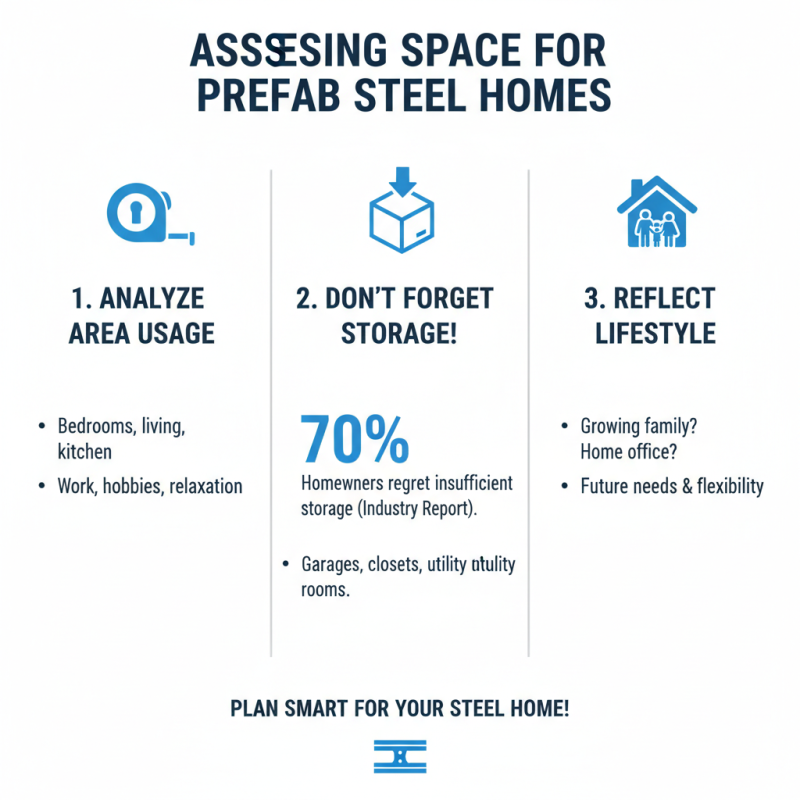
When considering prefab steel homes, assessing your space requirements is crucial. Start by analyzing how you plan to use each area. A recent industry report highlighted that 70% of homeowners regret not having allocated enough space for storage. Space planning should reflect your lifestyle needs, whether for a growing family or a home office.
Think about the number of bedrooms, bathrooms, and common areas required. For instance, according to the National Association of Home Builders, the average family size in the U.S. is 3.14 people. Models typically range from 800 to over 2,500 square feet. Determine how much space you need for each family member. A flexible layout can adapt as needs change.
It’s also vital to consider future requirements. Many steel homes offer customizable options that allow for easy expansion. As families evolve, owning a home that adjusts to life changes—such as children moving in or aging parents—is beneficial. One report suggested that up to 40% of homeowners wish to expand their living space within five years. Therefore, evaluating your current and future space needs will help you select a home that truly fits.
Evaluating Prefab Steel Home Durability and Lifespan Ratings
When considering prefab steel homes, understanding their
durability and lifespan is crucial. According to industry reports, these homes typically last around 50 years or more, depending
on the materials used and the construction techniques. Steel homes resist pests and rot, giving them an edge over
traditional timber structures. Many manufacturers offer warranties that reflect this longevity, with some extending
warranties up to 40 years.
However, not all steel homes are created equal. Some may not meet high standards
for insulation and energy efficiency. A study revealed that poorly insulated steel homes can lead to increased energy
costs, negating the benefits of their longevity. Evaluating R-values of insulation used in
these homes can ensure a better thermal performance.
Tips: Always check the rust-resistant coatings applied to
the steel. Evaluate the environmental conditions of your location. Areas with heavy snowfall or rain may require
additional structural reinforcements. Inadequate drainage can lead to rust over time. Be aware of these details to
avoid costly repairs in the future.
Understanding Energy Efficiency Standards in Steel Home Construction
Energy efficiency is crucial in prefab steel home construction. Homes must perform well in energy use. This means selecting materials that minimize waste. Look for insulation with high R-values. Better insulation leads to lower heating and cooling costs.
Solar panels can enhance energy efficiency. They reduce reliance on traditional power sources. Consider options for passive solar design. Large windows can capture sunlight. This keeps homes warm in winter. However, finding the right balance is vital. Too many windows can lead to overheating in summer.
Regulatory standards for energy efficiency are constantly evolving. Understanding local regulations is essential. Different areas may have specific requirements. It's important to stay informed about these changes. This knowledge directly impacts the sustainability of your home. Choosing the right builder can also make a difference. Seek professionals who prioritize energy efficiency. Maintaining a clear communication line is key during construction. This will help ensure that your energy goals are met.
Analyzing Cost Factors: Initial Investment vs. Long-term Savings
When considering prefab steel homes, it's crucial to analyze cost factors. The initial investment may seem high, but long-term savings can offset these costs. Steel homes typically require less maintenance than traditional houses, which can lead to significant savings over time. They are energy-efficient as well, potentially lowering utility bills.
Tips: Evaluate your financing options. Look for loans with favorable interest rates. This can ease the initial financial burden. Compare various models, as some may offer better insulation, enhancing energy savings.
It's also important to reflect on your lifestyle needs. A larger home may cost more but could mean higher utility bills. Sometimes, a smaller space works better, both financially and practically. Think about your long-term plans. If you intend to stay put for years, the investment pays off eventually. Engage with experts to gain insights. Their experience with these homes can guide your decision-making. Consider seeking advice from local builders familiar with your region's climate. They can offer valuable perspectives.
Cost Analysis of Prefab Steel Homes: Initial Investment vs. Long-term Savings
Choosing the Right Manufacturer: Certifications and Industry Reputation
When choosing prefab steel homes, the manufacturer’s certifications and reputation hold immense value. Researching their industry standing can uncover their reliability. Look for certifications that align with building codes and standards. These show that a manufacturer adheres to quality and safety regulations. However, not every certified company meets the expectations. Some may obtain certifications but still lack practical experience.
Inspecting customer reviews and testimonials can also provide insights. Seek out those who share their building experiences. Negative feedback about delays or communication issues can be red flags. Beware of overly positive reviews that may seem fabricated. Real experiences can reveal the true nature of a company's service.
It's essential to consider warranties and after-sales support. A reputable manufacturer should provide robust support long after the home is built. If they hesitate to share these details, that's a concern. Ask questions and observe their responsiveness. Choosing the right manufacturer requires due diligence and careful thought. It's a process that deserves time and attention.
2026 How to Choose the Best Prefab Steel Homes for Your Needs?
| Dimension |
Description |
Importance |
| Certifications |
Look for ISO, ASTM, or specific prefab steel home certifications. |
High - Ensures quality and compliance with safety standards. |
| Industry Reputation |
Research customer reviews and industry rankings. |
High - A good reputation indicates reliability and service. |
| Customization Options |
Assess available designs, layouts, and materials. |
Medium - Important for personalizing home appearance and function. |
| Warranty and Support |
Check for warranty on materials and structural integrity. |
High - Provides peace of mind and financial protection. |
| Sustainability Practices |
Investigate the environmental impact and eco-friendly options. |
Medium - Increasingly important for environmentally conscious buyers. |