How to Choose the Best Sliding Glass Windows for Your Home?
Choosing Sliding Glass Windows for your home is crucial. These windows enhance aesthetic appeal and energy efficiency. According to the National Fenestration Rating Council (NFRC), sliding glass windows can improve energy savings by up to 30% when selected correctly. This statistic highlights their importance in modern home design.
Industry expert, John Smith, emphasizes, "Quality sliding glass windows can transform your living space while providing essential insulation." With various options available, selecting the right sliding glass windows can be overwhelming. Homeowners must consider factors like frame materials, energy ratings, and security features. The balance between functionality and style is often a challenging task.
Not all sliding glass windows are created equal. Some may promise durability but fail in extreme weather conditions. Research is essential for finding the ideal windows that meet your needs. The best choices can add value to your home while keeping it comfortable year-round.
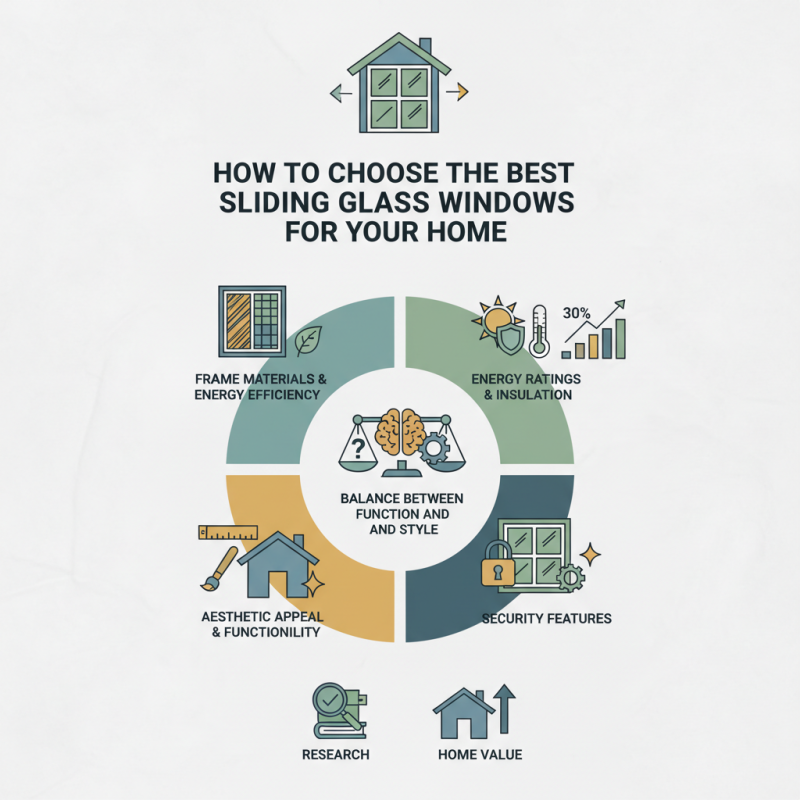
Factors to Consider When Selecting Sliding Glass Windows
When selecting sliding glass windows for your home, there are several critical factors to consider. Start by examining the frame material. Options include vinyl, aluminum, and wood. Each material offers different levels of insulation and durability. For instance, vinyl is often preferred for its low maintenance. However, some homeowners appreciate the aesthetic of wood frames, despite their higher upkeep.
Energy efficiency is paramount. Look for windows with a good energy rating. Double or triple-pane glass can significantly reduce heating and cooling costs. Additionally, consider the window's U-factor. A lower U-factor indicates better insulation. You may also want tinted or low-emissivity (low-E) glass to block UV rays while maintaining natural light.
Don’t forget about security features. Sliding glass windows should have strong locks and shatter-resistant glass for added safety. It’s also worth contemplating the installation process. Poor installation can lead to drafts and leaks. Researching skilled professionals can be time-consuming but is essential for long-term satisfaction. Remember that even the best window won’t perform well if not properly installed. This meticulous approach ensures a durable and beautiful addition to your home.
Types of Sliding Glass Windows Available on the Market
When selecting sliding glass windows, understanding the types available is crucial. There are various styles tailored for different needs. Common options include single-slider and double-slider windows. Single-slider models have one moving panel, making them a simple choice. Double-slider variants allow both panels to slide open, providing better ventilation. Each type can affect your home’s ambiance and airflow.
Another option is the hinged sliding window, which opens outward. This design improves accessibility and is great for larger spaces. Additionally, you can explore custom options that fit unique architectural styles. Energy efficiency also matters. Look for windows that boast good insulation properties. Yet, be wary of overly cheap options; they may lead to higher energy costs over time.
Consider the frame materials as well. Aluminum is lightweight but less insulated. Vinyl frames can provide excellent thermal performance but may not suit every home’s design. Balance aesthetics with functionality; this is key in your decision. Reflecting on your needs and the environment will guide you to the best choice. Don't rush; take the time to weigh your options carefully.
Energy Efficiency Ratings and Their Importance
Energy efficiency is a critical factor when choosing sliding glass windows. It significantly impacts your home’s comfort and energy bills. According to the U.S. Department of Energy, windows account for 25-30% of residential heating and cooling energy use. This statistic highlights the importance of selecting windows with appropriate energy efficiency ratings.
Look for windows with a low U-factor and a high Solar Heat Gain Coefficient (SHGC). The U-factor measures insulation effectiveness. A lower U-factor means better insulation. The SHGC indicates how well a window blocks heat from sunlight. High SHGC values are ideal for colder climates, while low values are better for hot regions. Research shows that homes with energy-efficient windows can save up to $500 annually on energy costs.
However, not all energy-efficient windows are created equal. It's essential to verify that the ratings meet your local climate requirements. Some products may overstate their efficiency. Therefore, certified performance ratings from the National Fenestration Rating Council (NFRC) should be your trusted guide. Incorporating energy-efficient sliding glass windows not only reduces your carbon footprint but also enhances your home's resale value.
Energy Efficiency Ratings of Sliding Glass Windows
This chart displays the energy efficiency ratings for different factors concerning sliding glass windows. A lower U-Factor indicates better insulation, a lower Solar Heat Gain Coefficient (SHGC) signifies less heat gain from sunlight, and a higher Visible Transmittance (VT) means more natural light enters the home. Choosing windows with desirable ratings can significantly impact energy consumption and comfort.
Aesthetic and Design Elements to Fit Your Home
When choosing sliding glass windows for your home, aesthetics and design are crucial. These windows can enhance your home’s exterior and interior. Think about the color and finish that align with your home’s architecture. A modern house might shine with sleek black frames, while a traditional style might benefit from white or beige.
Tips: Consider large panes of glass to maximize natural light. They can create a seamless connection between indoor and outdoor spaces. Ensure the frame material complements your home’s style. Wood, aluminum, and PVC options each provide unique visual appeal.
Reflect on how you want the windows to function. Do you need privacy? You might choose frosted glass or a decorative grid pattern. The style of the window also impacts its overall look. A minimalist design can lend a contemporary feel, whereas decorative grids can add character.
Tips: Always plan for your environment. Choose energy-efficient glass to reduce electricity costs. If living in a noisy area, soundproof glass might be a practical addition to consider. Balancing design with functionality often requires thoughtful planning.
How to Choose the Best Sliding Glass Windows for Your Home? - Aesthetic and Design Elements to Fit Your Home
| Element | Description | Material Options | Design Styles |
| Frame Material | The material of the frame impacts durability, maintenance, and aesthetics. | Vinyl, Wood, Aluminum, Fiberglass | Contemporary, Traditional, Rustic |
| Glass Type | Different types of glass offer varying levels of energy efficiency and privacy. | Low-E, Tempered, Tinted | Minimalist, French, Sliding/Stacked |
| Security Features | Consider locks and glass strength for safety. | Reinforced Frames, Multi-Point Locks | Modern, Transitional |
| Size and Configuration | Choose based on the opening dimensions and desired functionality. | Custom Sizes, Angled Configurations | Single Slider, Triple Slider |
| Energy Efficiency | Ensure windows meet energy performance ratings. | Double or Triple Glazing | Eco-Friendly, Modern Design |
Installation and Maintenance Tips for Sliding Glass Windows
When installing sliding glass windows, proper measurement is crucial. Measure the width and height of the opening accurately. A small mistake can lead to poor fitting. Use a level to ensure the sill is straight. This step affects the overall function of the window.
Maintenance should not be overlooked. Regularly clean the tracks to prevent debris buildup. Use a soft cloth for the glass. It keeps your windows clear and inviting. Check the seals and weather stripping frequently. Replacing worn-out seals can improve energy efficiency.
Inspect the rollers often, too. If they become noisy or hard to move, it may be time for a replacement. Tightening screws is an easy fix. Ensure that the window opens and closes smoothly to avoid frustration. Sloppy maintenance can lead to bigger issues down the line.