How to Choose the Right Modular Buildings for Your Project?
When embarking on a construction project, choosing the right modular buildings is crucial. Experts like Dr. Sarah Thompson, a leader in the modular construction industry, emphasize, "Selecting the appropriate modular design can transform a project's success." Modular buildings offer flexibility and a faster timeline. However, project owners must consider their specific needs and local regulations.
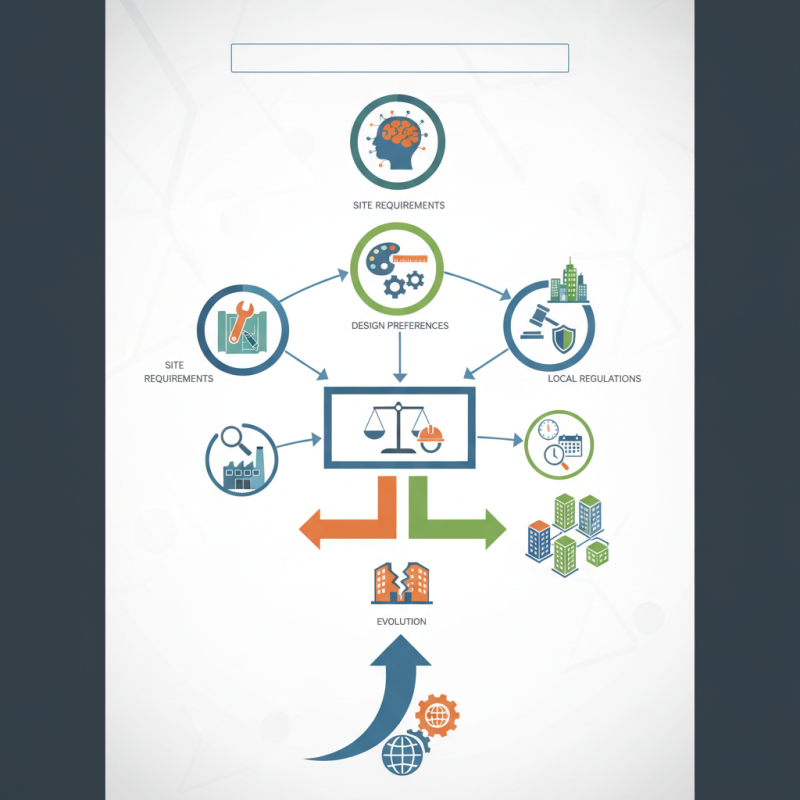
Understanding site requirements and design preferences is essential. Not every modular solution fits all projects. Some designs may lack efficiency or do not align with your vision. It's important to balance aesthetics and functionality. Engaging with architect teams can help envision your modular structures more clearly.
Sometimes, the rush to finalize designs leads to mistakes. Leaving room for adjustments can lead to better outcomes. Thorough research and thoughtful planning are necessary for successful modular implementations. The world of modular buildings is evolving, and each choice may impact the future of your project. Careful deliberation is key.
Understanding the Basics of Modular Buildings and Their Benefits
Modular buildings offer a unique blend of efficiency and versatility. They are made off-site, allowing for quicker assembly at the final location. This can speed up project timelines significantly. Additionally, they are customizable to meet specific needs. However, determining the right modular design can be tricky. It’s essential to consider your space requirements and intended use.
The benefits are substantial. Modular buildings often come with lower construction costs, thanks to reduced labor expenses. They also produce less waste during construction. It’s important to think about the long-term impact of your choice. Temporary solutions might seem appealing, but they can lead to higher expenses later.
Make sure to review the durability and materials used in the construction. Quality varies widely among different modular options. Some may not withstand harsh weather or heavy usage as well as others. Take your time to compare different designs and functionalities. Reflect on how each choice aligns with your project's goals.
Identifying Your Project Requirements and Goals
When selecting modular buildings, understanding your project requirements is key. Begin by defining your space needs. How many rooms do you require? What size should each room be? These questions guide the overall design. For example, if you are building an office, think about the layout. Open spaces might foster collaboration. Alternatively, you may require closed offices for privacy.
Consider your project's purpose. Will it be temporary or permanent? A temporary site might have different needs, like easier assembly and disassembly. Sustainable options might also be a priority. Identify materials and energy efficiency as part of your goals. Reflect on your budget, too. Modular buildings can vary widely in cost. If you overlook these details, you might face challenges later, such as unexpected expenses or delays. Focus on clarity in your planning to avoid pitfalls.
Evaluating Quality and Structural Integrity of Modular Buildings
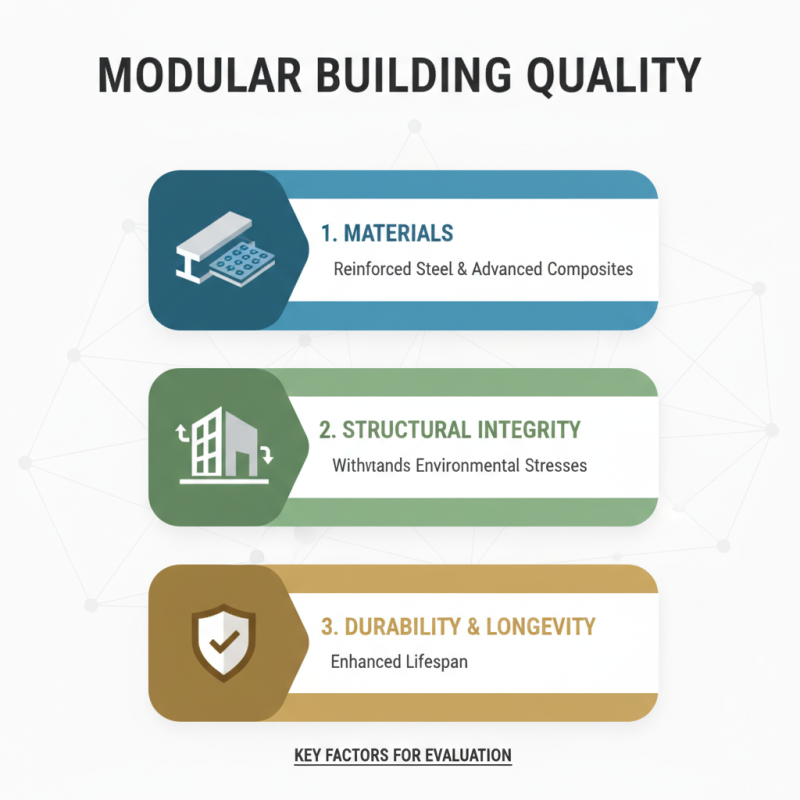
When evaluating the quality and structural integrity of modular buildings, it’s crucial to consider several key factors. Start by examining the materials used in construction. High-quality materials enhance durability and longevity. Look for buildings made from reinforced steel or advanced composites. These materials withstand various environmental stresses.
Tips: Always request material certifications. This ensures the products meet industry standards.
Next, focus on the building's design and engineering. Structural integrity matters immensely. A well-designed building can resist natural disasters like storms and earthquakes. Check if the building adheres to local building codes. Research the engineering teams involved in the project. Their experience can indicate the potential quality of the structure.
Tips: Review past projects by the same builders. This can reveal their reputation and reliability.
Lastly, consider the installation process. Poor assembly may compromise stability. Ensure that skilled professionals handle the installation. Even if the materials are top-notch, a lack of proper execution can lead to issues. Pay attention to details. Inspect the joints, connections, and overall finishing.
Tips: Don’t hesitate to ask for feedback from previous clients. Their experiences can offer valuable insights.
Comparing Cost and Budget Considerations for Modular Options
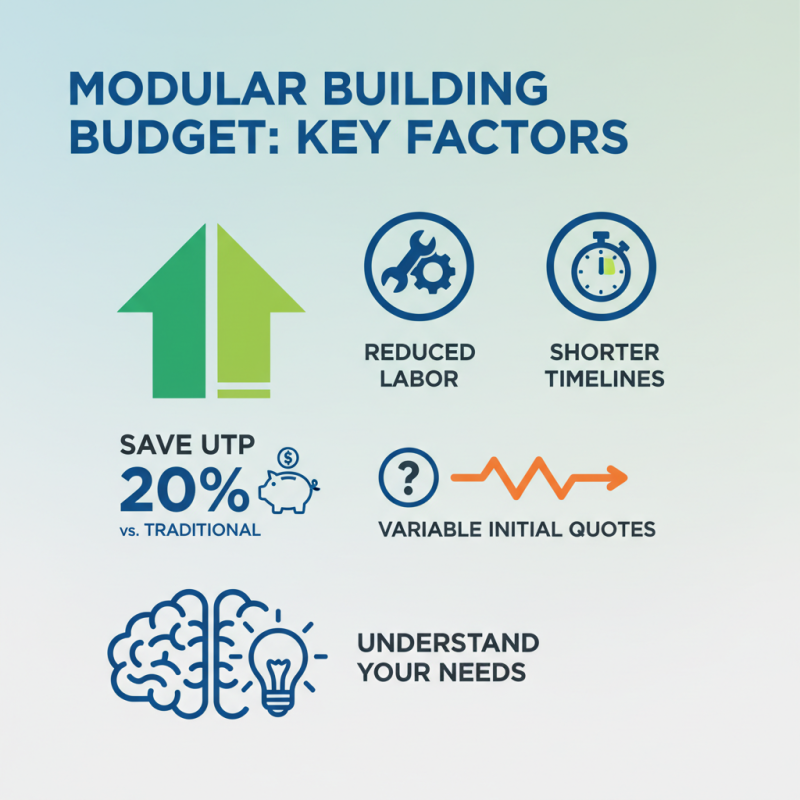
When budgeting for modular buildings, various factors come into play. Reports indicate that modular construction can save up to 20% compared to traditional methods. This is largely due to reduced labor costs and shorter timelines. However, initial quotes can vary significantly. Understanding your needs is crucial.
It's essential to scrutinize the cost breakdown. Site preparation, transportation, and installation can add unexpected expenses. A study highlights that these additional costs can represent 10% to 15% of the overall budget. For many projects, overlooking these factors may lead to financial strain later on.
Investing time in detailed planning is key. Modular options may seem simpler, but hidden costs can emerge. Comparing multiple quotes can reveal significant discrepancies. Engaging with industry experts often helps in uncovering these subtleties. This preparation adds depth to your decision-making process.
Exploring Design Flexibility and Customization in Modular Solutions
When considering modular buildings, design flexibility is key.
Modular solutions offer a range of layouts and finishes. You can select different configurations to suit various project needs. Each modular unit can be customized for specific purposes. This adaptability makes modular buildings suitable for classrooms, offices, and even healthcare facilities.
Customization doesn’t just stop at layout. From material choices to energy-efficient options, there are numerous possibilities. For instance, you might opt for eco-friendly materials. Or add large windows for natural light. However, the challenge lies in balancing customization with budget constraints. Sometimes, the desired features can inflate costs unexpectedly.
Design choices are also influenced by local regulations. This can limit customization options. Understanding these rules is essential before making final selections. Foster a dialogue with designers to explore the most creative solutions within constraints.
Embrace feedback during the design process; it can lead to improved outcomes. It's a continuous journey of trial and error.