How to Choose the Best Expandable Homes for Your Family Needs?
Choosing the right expandable homes for your family's needs can be a significant decision. As families grow, so do their requirements for space. Expandable homes present a flexible solution, allowing for modifications as life changes happen. With diverse designs available, these homes can adapt over time.
Consider your family's lifestyle and future plans. Do you expect more kids, or perhaps aging relatives moving in? It's essential to evaluate the home’s potential. A design that seems perfect today may fall short later. An ideal expandable home offers flexibility and style. On the other hand, some designs may not reflect your family's interests.
Research different expandable homes before making a choice. Not all options will meet your unique needs. Explore different materials and layouts. Ask yourself what features are non-negotiable. An expandable home should be practical yet visually appealing. Finding the right balance can take time and patience. It’s a journey worth undertaking for your family's happiness and comfort.
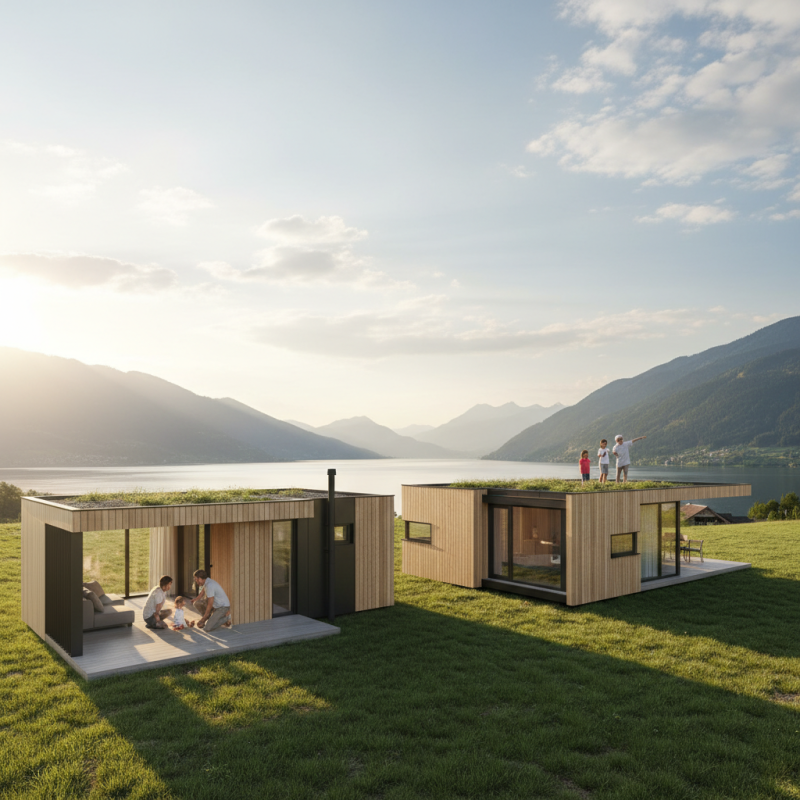
Understanding the Concept of Expandable Homes and Their Benefits
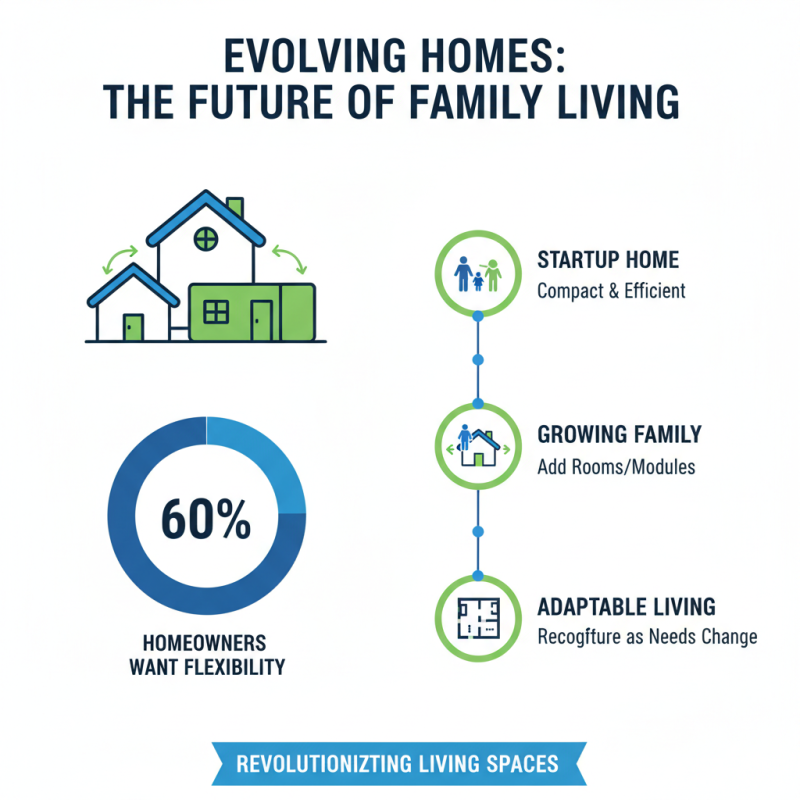
Expandable homes are revolutionizing how families consider their living spaces. These homes allow for easy modifications, adapting as your family grows. According to recent industry research, over 60% of homeowners express a desire for flexible living solutions. This trend indicates a shift toward homes that can expand or reconfigure based on needs.
The benefits of expandable homes are poignant. They offer affordability in the long run. Homeowners can avoid hefty relocation costs. Furthermore, these homes can reduce environmental impact. Fewer new constructions mean less resource depletion. However, the initial designs often present challenges, like zoning regulations. Not all areas permit expansion, which can limit options.
Still, it's essential to reflect on potential downsides. Construction quality can vary. Not all expandable homes guarantee durability. Families must carefully evaluate designs and structures. Neglecting this step might lead to costly repairs down the line. In an era where adaptability is crucial, understanding each aspect can lead to more informed and satisfying choices.
Evaluating Family Needs: Space, Lifestyle, and Future Growth Considerations
When evaluating family needs for expandable homes, consider space requirements. Think about how many bedrooms you need now, but also plan for future growth. A family of four may expand to a family of five or six. Extra rooms can serve many purposes, from guest rooms to playrooms. Keep in mind, each family member has unique space needs. This dynamic can change as children grow.
Lifestyle is another essential factor. Do you enjoy hosting gatherings? You might want an open floor plan, making the home feel more spacious. Outdoor space is vital for some families, offering room for play and activities. Reflecting on day-to-day activities helps gauge the right size and layout for your home. Sometimes, it’s hard to balance needs and wants. Not every feature may fit your budget. Prioritizing what truly matters can lead to better choices.
Lastly, consider future growth. Family needs evolve, and homes should adapt. It’s not just about today; think about tomorrow and beyond. How long do you plan to stay? Thinking about the long term can prevent the hassle of moving again. A well-designed expandable home can grow with your family, accommodating new needs without overwhelming you financially.
How to Choose the Best Expandable Homes for Your Family Needs?
| Dimension |
Consideration |
Details |
| Space Requirements |
Number of Bedrooms |
Consider the current family size and future additions. |
| Space Requirements |
Living Area Size |
Evaluate how much shared living space is needed. |
| Lifestyle |
Hobbies and Activities |
Consider spaces needed for hobbies like a home office or play area. |
| Future Growth |
Plans for Expansion |
Assess if there is room for future needs or family growth. |
| Budget |
Cost of Expansion |
Factor in the financing of potential expansions. |
| Location |
Neighborhood Considerations |
Evaluate area amenities and school districts. |
Assessing Quality and Materials in Expandable Home Options: A Market Overview
When choosing an expandable home, quality and materials are crucial. Assessing the build quality can save you headaches later.
Look for sturdy structures that can withstand various weather conditions.
Consider materials like wood, metal, and innovative composites. Each has its pros and cons. For instance, wood offers good insulation, but it requires maintenance.
Don’t overlook the details. Pay attention to finishing touches such as windows and doors.
Energy-efficient options are becoming more popular. They may cost more upfront but save money long-term.
Check for structural warranties; they indicate the builder's confidence in their product.
Reflecting on the design, expandable homes should meet future family needs.
Open spaces can be versatile, but they may feel too large without proper furnishings. Think ahead.
A small, well-designed space can often feel more functional than a sprawling, empty one.
Explore various options to find what feels right for your family.
Analyzing Cost Factors: Budgeting for Purchase and Future Expansion
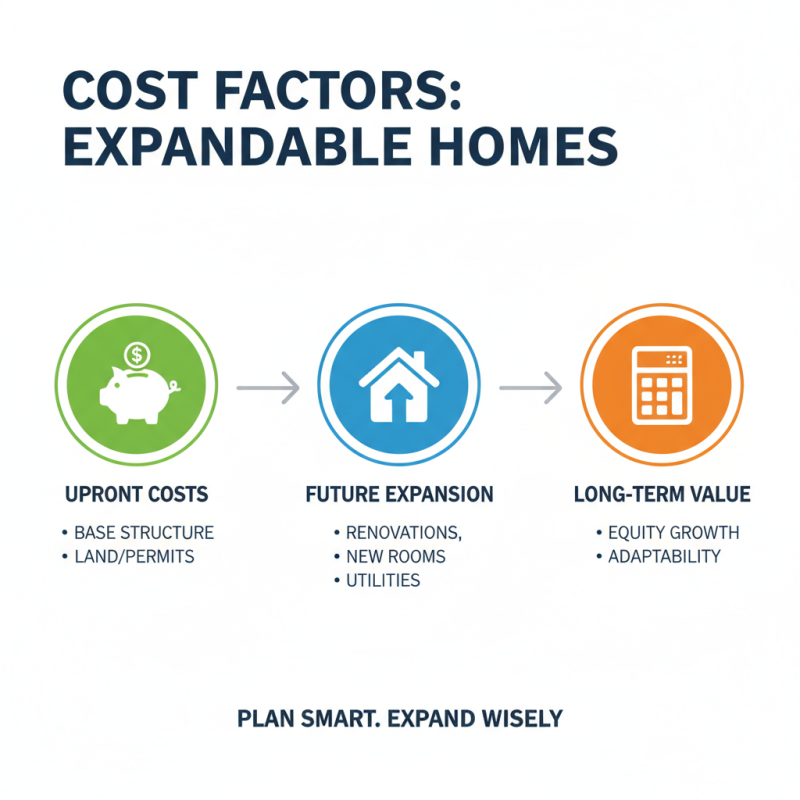
When choosing expandable homes, it’s crucial to analyze cost factors carefully. Budget plays a pivotal role in your decision-making. Consider your current financial situation and future expansion plans. An expandable home can be a significant investment, often requiring upfront costs for the basic structure. However, don't overlook future expenses. These might include renovations, additional rooms, or landscaping.
Tips: Always factor in the costs of permits and utilities when budgeting. They can add up quickly. Prioritize your needs. Think about how much space your family will require now and in the future. This insight will help guide your decisions.
Keep in mind, an expandable home should fit within realistic limits. It’s easy to get carried away with plans for the perfect space. Yet, it’s crucial to remain grounded. What seems beautiful on paper might not align with your budget. Revisit your plans often. Flexibility is key in this process. Adjust your expectations as necessary.
Exploring Customization Options: Tailoring Expandable Homes to Personal Needs
When choosing expandable homes, customization becomes crucial. Families need unique solutions tailored to their lifestyles. According to a recent report by the National Association of Home Builders, over 40% of homebuyers prioritize customization options. This includes choosing layouts, materials, and finishes that reflect personal tastes.
Expandable homes offer various design choices. For instance, adjustable room configurations allow for flexibility as family needs change. Open space designs can provide a more welcoming atmosphere. However, buyers often face challenges when navigating available options. It can feel overwhelming, leading to indecision.
Surveys indicate that 30% of potential homeowners worry about the long-term value of customization. They fret that unique choices may not appeal to future buyers. Finding a balance is essential. Weigh personal comfort against future resale opportunities. Ultimately, the key is creating a space that truly feels like home.
Customization Options for Expandable Homes
This chart illustrates the popularity of different customization options for expandable homes based on family needs.