How to Choose the Best Prefab Buildings for Your Needs?
Choosing the right prefab buildings is not just a task; it's an investment in your future. According to John Smith, a leading expert in the prefab industry, "The best prefab buildings are those that align with your specific needs." His insight emphasizes the importance of understanding your requirements before making a decision.
Prefab buildings offer versatility and efficiency, making them an attractive option for many. However, selecting the perfect one can be daunting. It's helpful to define the purpose of your project clearly. Are you looking for a space for work, leisure, or storage? Each function requires different features and specifications in prefab buildings.
The variety in designs, sizes, and materials can be overwhelming. It's essential to research and compare options thoroughly. Even seasoned professionals can find it challenging at times. Think about your long-term goals and sustainability. Prefab buildings can help you achieve both. But the decision requires careful consideration. Embrace the journey of making the right choice for your needs.
Factors to Consider When Choosing Prefab Buildings for Your Project
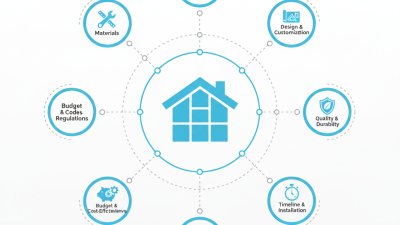
Choosing the right prefab building requires careful consideration of several factors. Understanding your specific needs is crucial. Identify the purpose of the building. Will it be an office, workshop, or storage space? Each application has distinct requirements. According to a recent report by the Modular Building Institute, commercial modular construction accounts for over $5 billion in annual revenues in the U.S. This highlights its growing importance across various sectors.
Next, consider the location and climate. Different materials perform uniquely under diverse conditions. For instance, metal structures may better withstand severe weather. A study from the National Institute of Building Sciences indicates that prefabricated buildings can reduce construction time by 30% to 50%. This efficiency can be beneficial in areas where time-sensitive projects are common.
Lastly, scrutinize the builder's reputation. Not all manufacturers uphold the same standards. Research online reviews and industry testimonials. Look for certifications and past project examples. A recent survey showed that 68% of buyers prioritize quality over price when selecting prefab buildings. This data emphasizes the need for due diligence. Balancing cost and quality is vital, as making a hasty decision may lead to regrettable outcomes later on.
Evaluating Different Types of Prefab Buildings: Steel vs. Wood vs. Concrete
When choosing between prefab building materials, consider steel, wood, and concrete. Each has distinct characteristics that suit different needs. Steel is known for its durability and resistance to extreme weather. A 2022 report from the American Institute of Steel Construction highlighted that steel structures can last over 50 years with minimal maintenance. This longevity makes steel a cost-effective choice for businesses focused on the long term.
Wood offers natural aesthetics and excellent insulation. However, it can be more susceptible to pests and moisture. The Forest Products Laboratory found that untreated wood may have a lifespan of only 20-30 years in some environments. This raises questions about long-term investments. If you choose wood, regular maintenance is essential.
Concrete stands out for its strength and fire resistance. Structures built with concrete can withstand harsh conditions and usually last over 75 years. The National Ready Mixed Concrete Association states that concrete buildings may show little wear after decades. This option is often chosen for industrial applications due to its resilience. However, the environmental impact of concrete production can't be ignored. As climate change concerns rise, evaluating sustainable options becomes vital. Each material brings benefits and drawbacks that deserve careful consideration.
Assessing Cost-Effectiveness: Budgeting for Prefab Construction in 2023
Cost-effectiveness is crucial when considering prefab buildings. A report from MarketsandMarkets predicts that the global prefab market will reach $132.6 billion by 2023, illustrating its growing popularity. Prefabricated structures often reduce construction time by 30% to 50%, significantly impacting labor costs. However, hidden costs can arise. Transportation fees, site preparation, and foundation work often add up.
When budgeting for prefab construction, first assess project needs. A detailed cost analysis should compare traditional methods and prefab options. For instance, a study published by Smith and Associates shows that prefab buildings can save up to 10% on materials due to efficient manufacturing processes. Yet, quality control issues can occasionally lead to repairs that inflate overall costs.
Investing in prefab doesn't merely require assessing sticker prices. It is vital to factor in long-term maintenance and energy efficiency. Some prefab models boast superior insulation, leading to lower energy bills. However, overlooking local climate factors may hinder performance. Continuous assessment throughout the budgeting process can ensure better alignment with your financial goals.
Cost-Effectiveness of Prefab Buildings in 2023
This chart illustrates the average cost per square foot of various prefab building types in 2023. As shown, the cost increases from Basic to Custom, indicating the relationship between the complexity of design and overall expenses.
Understanding Local Zoning Laws and Regulations for Prefab Structures
When considering prefab buildings, understanding local zoning laws is crucial. These regulations vary significantly between locations. Compliance ensures your project is legal and can be completed without issues. Researching your area’s specific laws can prevent costly mistakes later on. Local guidelines could dictate size, height, and even design features. It’s essential to break down these rules into manageable information.
Take the time to visit your local zoning office. Engage with officials who can clarify any uncertainty. Their expertise can provide insights not found in online resources. Once you understand what's required, compare your needs against these regulations. It’s not always straightforward, and some areas may have more stringent requirements. Adjusting your plans may feel frustrating, but it's critical for success.
Building permits are often tied to zoning laws. A well-prepared application can expedite the approval process. If you're unsure about any detail, seeking expert advice might be worthwhile. It’s better to address potential issues early. This will save time and frustrations down the line. The interplay between your vision and local regulations is vital in the planning stages.
Sustainability Practices in Prefab Building: Eco-Friendly Options and Benefits
Sustainability is becoming essential in the construction industry.
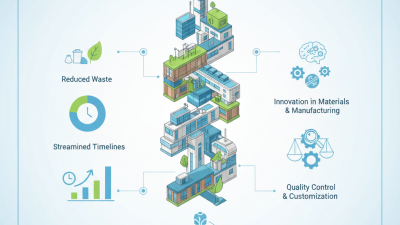
Prefab buildings offer many eco-friendly options. They are often made from recycled materials, reducing waste. By choosing prefab, you can minimize your carbon footprint while getting efficient designs.
One notable benefit is energy efficiency. Many prefab structures come with insulation that reduces heating and cooling costs. Some even incorporate renewable energy options like solar panels. These innovations not only save money but also support environmentally friendly living. Yet, some prefab options may lack local sourcing, which can affect their sustainability. It’s crucial to ask about material origins and distance traveled.
Choosing the right prefab building involves reflection. Assessing your needs helps identify sustainable options. However, navigating the prefab market can be challenging. Understanding eco-friendly certifications is vital. Not all prefab builders prioritize sustainability, making careful research necessary. Consider the long-term impacts of your choices and how they align with your values.