How to Choose the Best Prefab Container for Your Needs?
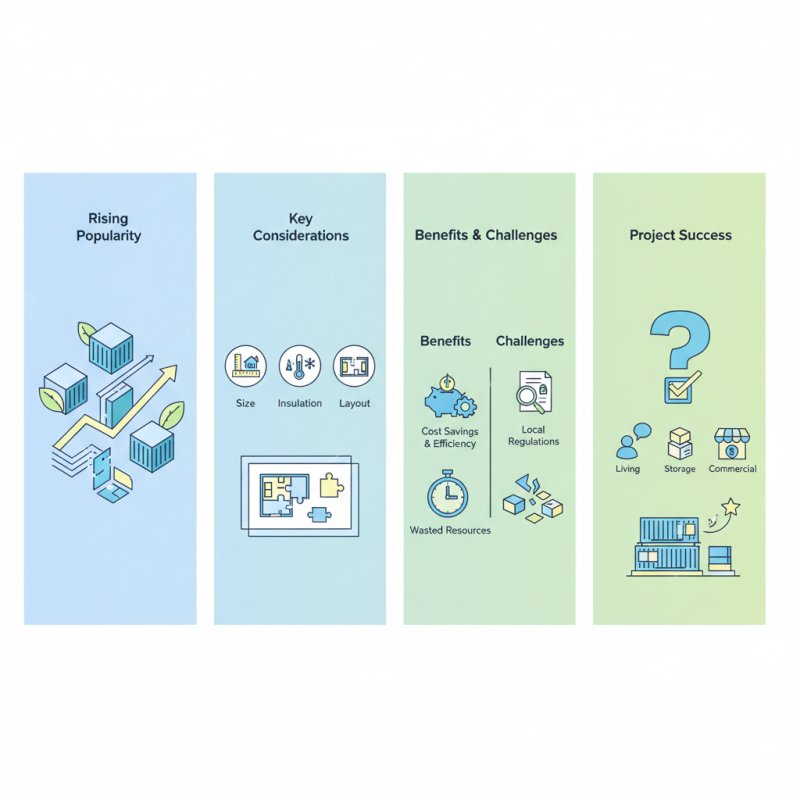
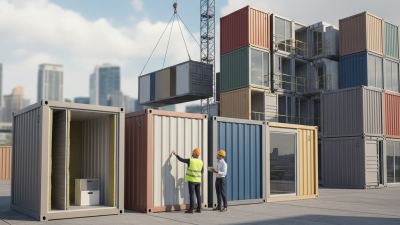
The rising popularity of prefab containers has transformed the construction industry. Recent studies show that the market is expected to grow by over 6% annually. Prefab containers offer flexibility and sustainability, making them an appealing choice for various projects.
When selecting the best prefab container, considering your specific needs is crucial. Factors such as size, insulation, and layout can significantly affect your project. Reports indicate that customized containers can lead to significant cost savings and improved efficiency. Yet, many overlook essential details, such as compliance with local regulations.
Poor planning can lead to wasted resources and time. Assessing your project requirements thoroughly can prevent this. Evaluate the intended use of the container, whether for living, storage, or commercial purposes. In the end, each decision impacts the overall success of your container project.
Factors to Consider When Choosing a Prefab Container for Your Project
When selecting a prefab container, several critical factors influence the decision. Size is paramount. Containers come in various dimensions. A standard 20-foot container offers 160 square feet of space. However, a larger 40-foot container provides double that area. Understand your project requirements. Are you storing goods, creating a workspace, or housing? Each need dictates a different size.
Material quality is another vital consideration. Steel containers offer durability but may require insulation for temperature control. Reports show that insulated containers can reduce energy costs by up to 30%. This is crucial for long-term projects. Additionally, inspect for rust or damage. Small issues can escalate and lead to larger problems.
Cost is always a crucial factor but should not be the only criterion. Some containers may seem affordable upfront but might incur high transportation fees. Budget for delivery. Examine local regulations for permits. Unexpected costs can arise if you overlook these details. Your choice should be a balance of price, quality, and functionality. It's essential to reflect on your long-term needs and not just immediate savings.
How to Choose the Best Prefab Container for Your Needs?
| Factor |
Description |
Importance Level |
| Purpose |
Identify the primary function of the container (e.g., office, storage, living unit). |
High |
| Size |
Select the appropriate dimensions based on your space requirements. |
Medium |
| Material |
Consider the quality and durability of materials used in construction. |
High |
| Insulation |
Check for thermal insulation properties if climate control is needed. |
High |
| Mobility |
Assess if the container needs to be relocated frequently. |
Medium |
| Customization |
Look for options that allow modifications to suit specific needs. |
Medium |
| Cost |
Evaluate your budget constraints and find suitable options. |
High |
| Regulations |
Check local regulations and zoning laws governing container use. |
High |
| Delivery Time |
Consider the timeline for delivery and setup of the container. |
Medium |
Understanding Different Types of Prefab Containers and Their Uses
When exploring prefab containers, understanding their types is crucial.
Shipping containers are robust. They are ideal for mobile offices or storage. However, they can be heavy and not suitable for every site. According to a recent industry report, around 60% of projects favor these containers for their durability.
Modified containers offer flexibility. They can be customized for various uses, including living spaces or restaurants. Their adaptability makes them popular, yet the cost can be significantly higher. Reports indicate that customization can increase expenses by about 20% to 40%. This isn’t always feasible for budget-conscious projects.
Finally, portable containers serve specific needs. They are easy to transport and set up. Many industries find these useful for temporary situations, like on-site construction. However, they might lack the sturdiness of permanent solutions. Assessing your requirements is vital. Choosing the right type isn't simple and requires careful consideration.
Evaluating the Cost and Budget for Prefab Container Solutions
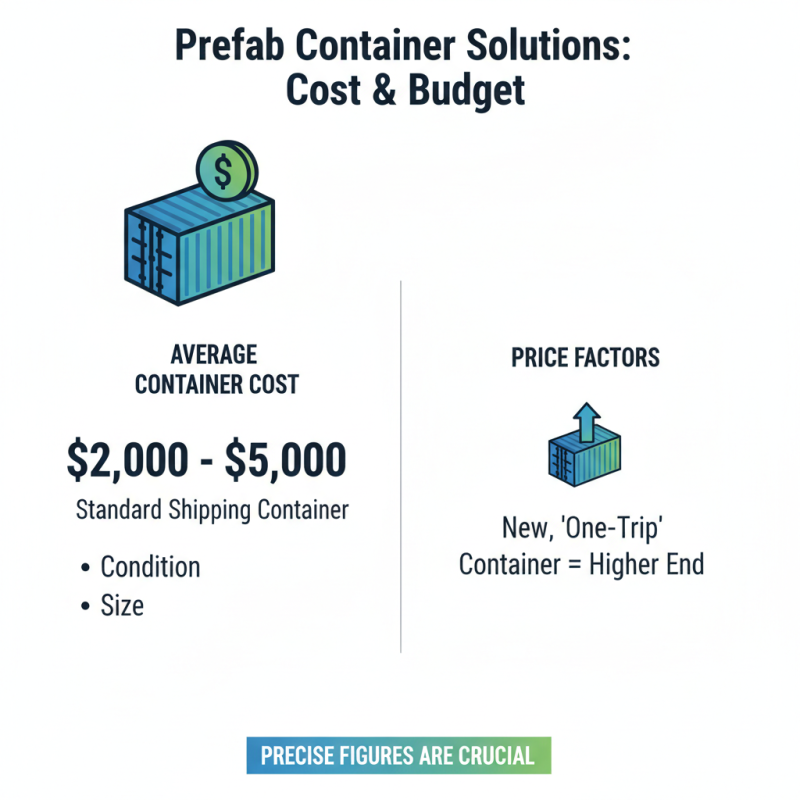
When evaluating the cost and budget for prefab container solutions, precise figures matter. The average cost for a standard shipping container ranges between $2,000 and $5,000. This price varies based on condition and size. A new, one-trip container tends to be at the higher end of the spectrum.
Despite the initial price, one must consider additional costs. Transportation fees can be substantial, often reaching 10% to 20% of the total budget. Also, site preparation and installation may require further investment. Some reports indicate that proper site grading and foundation work can add an extra $1,500 to $3,000. These costs can impact overall project feasibility.
The total budget may not only include purchase costs but also maintenance and upgrades. Containers may require insulation or electrical setups, which often surprise new buyers. Over time, these expenses can accumulate beyond the initial projection. Balancing upfront and long-term costs requires thorough financial planning. Many buyers underestimate the need for future modifications, so budgeting should remain flexible.
Key Features and Specifications to Look for in Prefab Containers
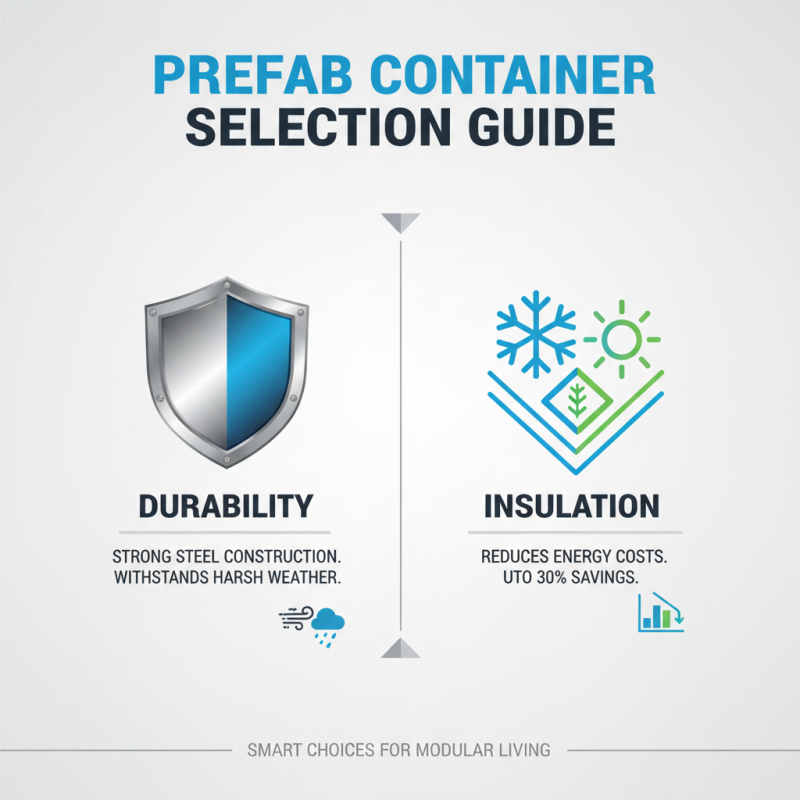
When selecting a prefab container, focus on specific features and specifications. Durability is paramount. Many containers are made from strong steel, which can withstand harsh weather. This is crucial for outdoor use. Insulation is another factor. A well-insulated container saves on heating and cooling costs. Reports suggest that proper insulation can reduce energy usage by up to 30%.
Space adaptability matters too. Some containers are designed for multi-functional use. They can serve as offices, storage, or even homes. Ensure the layout fits your needs. Customization options are often available. This flexibility could enhance your project's efficiency.
Tips: Always check for compliance with local regulations. Avoid shortcuts during the buying process. Inspect the container for any damage. Use your own judgment when assessing quality. Remember, a lower price often means sacrifices in materials or durability. Be mindful of these aspects to ensure long-term satisfaction.
Assessing the Environmental Impact of Prefab Container Construction
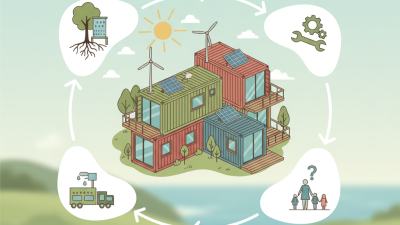
Prefab container construction offers many benefits, but environmental impacts are often overlooked. These containers can be repurposed materials, reducing waste. When viewed through an ecological lens, the choice of materials matters. Using recycled steel can lessen the carbon footprint associated with production.
However, prefabricated containers are not without their own challenges. Transportation contributes to emissions, especially if sourced far away. Localizing production can help, but often it does not happen. Energy efficiency during the container’s lifespan is also a point worth considering. Will you rely on fossil fuels for heating or cooling?
Design choices can play a significant role too. Features like insulation can improve energy use. However, not all designs prioritize this. Some may overlook essential factors, leading to higher energy consumption. A mindful approach to design and material selection is crucial for minimizing negative environmental impacts. Building sustainably means weighing both benefits and drawbacks.
Environmental Impact Assessment of Prefab Container Construction