Composite Fireproof Doors Essential Tips for Global Buyers?
In the evolving market of fire safety, Composite Fireproof Doors have gained significant attention. These doors combine durability with excellent fire-resistance properties, making them a favored choice for various building types. As global buyers seek reliable safety solutions, understanding the nuances of these doors becomes paramount.
Composite Fireproof Doors offer unique benefits. They are not only effective in fire prevention but are also aesthetically pleasing. This dual advantage makes them suitable for both commercial and residential settings. However, buyers must navigate challenges in quality and compliance. Not all products on the market meet stringent safety standards. It is essential to invest time in research.
Being informed about materials and manufacturing processes is crucial. For example, knowing the difference between solid core and hollow core options can guide better decisions. Buyers should also consider local regulations and certifications to ensure products are trustworthy. In the dynamic world of construction and safety, making educated choices leads to lasting safety and satisfaction.
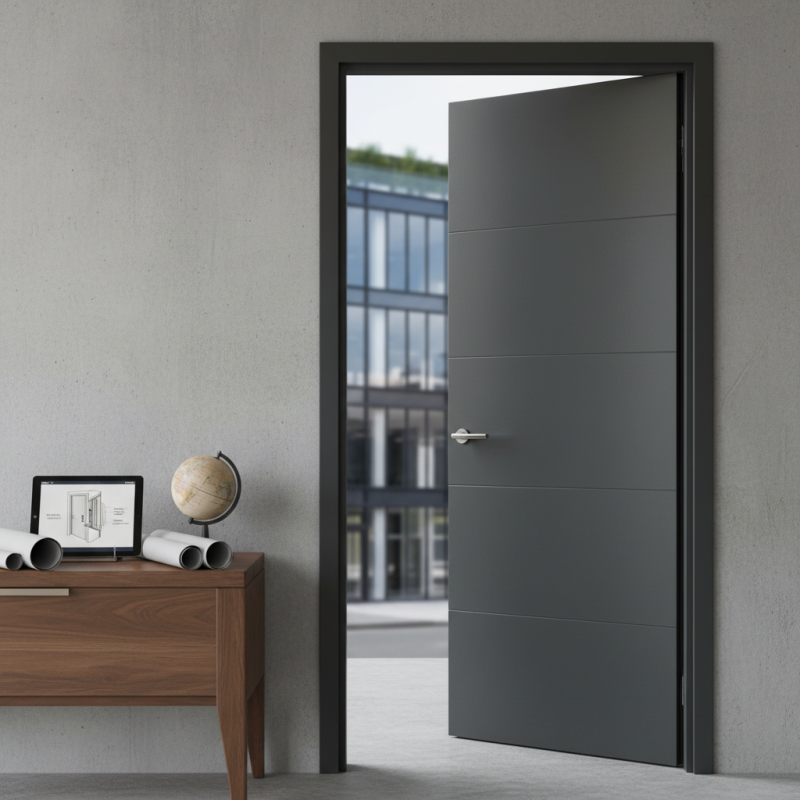
Understanding Composite Fireproof Doors: Materials and Construction Techniques
Composite fireproof doors are becoming increasingly popular due to their effective fire resistance and durability. Understanding the materials used is crucial for making an informed choice. Common components include a blend of fiberglass, steel, and various fire-resistant core materials. These elements significantly enhance the door's ability to withstand high temperatures. The construction technique plays an equally important role. High-quality composite doors often feature reinforced edges and seals that prevent smoke and flames from penetrating.
The manufacturing process involves several key steps. Firstly, materials are carefully selected for their fire-resistant properties. Layers are then combined using advanced techniques to ensure stability and strength. Each door undergoes rigorous testing to meet safety standards. However, not all composite doors are created equal. Some may lack adequate insulation or may not have passed necessary fire tests. This inconsistency can be misleading for buyers.
It’s essential to consider certifications and performance ratings. A reliable composite fireproof door should have documentation that proves its efficacy. Customization options can affect both performance and price. Buyers should weigh the benefits of added features against their specific needs. Overall, understanding both materials and construction techniques will help buyers make smarter choices in this critical area of fire safety.
Key Industry Standards for Fireproof Doors: Testing and Certification Metrics
When selecting composite fireproof doors, understanding industry standards is crucial. These doors must undergo rigorous testing to ensure they meet fire resistance criteria. The most recognized standards include UL 10C, ASTM E119, and EN 1634. Each standard offers guidelines on how to evaluate the performance of fireproof doors. Fire ratings are determined by how long a door can withstand a fire before failing.
Certification metrics are essential for verifying compliance. Often, third-party testing laboratories play a significant role. These labs provide unbiased assessments. It's vital to ensure that any fireproof door you consider has undergone appropriate testing and certification. However, some certifications may not be widely recognized. This discrepancy can lead to confusion about quality and safety.
Buyers should remember that not all fireproof doors are created equally. Regional regulations may require specific certifications. Therefore, staying informed about the latest industry standards is necessary. Engage with professionals who specialize in fire safety products. Seeking expert advice can help clarify complex certification processes. In some cases, the details may seem overwhelming. This is when thorough research becomes indispensable.
Composite Fireproof Doors Essential Tips for Global Buyers
| Dimension | Description | Testing Standard | Certification Details |
| Thickness | Standard thickness ranges from 45mm to 60mm for optimal fire resistance. | EN 1634-1 | EU Certification required for compliance. |
| Fire Resistance Ratings | Common ratings include 30, 60, and 90 minutes of fire resistance. | UL 10C | Tested and certified in North America. |
| Material | Made from composite materials, often including fire-resistant cores. | ISO 834 | Global standard for fire resistance testing. |
| Frame Type | Includes single and double frames, can be non-combustible. | BS 476 Part 22 | UK Fire Safety Certification. |
| Installation Requirements | Proper installation is critical to maintain fire integrity. | NFPA 80 | Installation under guidelines ensures compliance. |
Evaluating Fire Ratings: What Global Buyers Need to Know
When selecting composite fireproof doors, understanding fire ratings is crucial. Fire ratings indicate how long a door can withstand flames and heat. For global buyers, this knowledge is essential for compliance and safety.
According to a report by the National Fire Protection Association (NFPA), about 3,500 fire-related deaths occur annually in residential buildings. Proper fire protection measures can significantly reduce this risk. For instance, a door rated for at least 60 minutes can protect occupants and slow the spread of fire. This time allows for evacuation and response from emergency services, which are vital in saving lives.
However, not all fire doors are created equal. Buyers must consider the materials used. Composite materials may offer good fire resistance but should meet international standards like EN 1634-1, which tests fire doors in controlled conditions. Additionally, many doors have labels indicating their fire ratings, yet not all comply with local regulations. It’s essential to verify certifications and focus on quality installations to ensure effectiveness. Ignoring these factors can lead to devastating consequences in fire emergencies.
Market Trends: The Demand for Composite Fireproof Doors Worldwide
The global demand for composite fireproof doors is on the rise. This growth reflects the increasing emphasis on safety in buildings. Many regions face stricter regulations. This trend highlights the importance of fire safety in various sectors, including residential and commercial properties.
Composite fireproof doors offer several advantages. They combine durability with insulation. Customers appreciate their ability to withstand high temperatures. These doors can also absorb sound, providing better acoustics. However, buyers must consider the quality of materials used. Not all composite doors are created equal. Subpar products may not perform as expected.
Emerging markets are showing significant interest. Builders seek to meet local standards efficiently. Adopting these doors can enhance the safety profile of a project. Yet, there is a challenge: pricing and availability can vary. Buyers must conduct thorough research before making decisions. Understanding the nuances of different markets is vital for success.
Cost Analysis: Factors Influencing the Price of Fireproof Doors Globally
When considering composite fireproof doors, several factors influence their pricing on a global scale. Materials play a crucial role. Composite doors often integrate various materials, such as steel, wood, and fire-resistant cores. Reports indicate that the type of core used can increase costs significantly. A steel-based core may raise the price by 30% compared to a standard wood core. Buyers should assess their needs critically to understand this impact.
Installation costs also vary widely. A professional installation can add 15% to 25% to the total cost, depending on the region. Variations in labor costs, driven by local market conditions, mean that what works in one city may not apply in another. Moreover, regulatory requirements differ globally. Countries with stringent fire safety regulations may impose additional compliance costs.
Market research shows that global demand for fireproof doors is escalating. Industry analysts predict growth rates of around 5% annually. This rising demand can impact pricing, pushing rates higher. Buyers must keep an eye on market trends and costs. Understanding these dynamics is key to making informed decisions in the composite fireproof door market. Potential buyers should perform thorough research to navigate these complexities effectively.