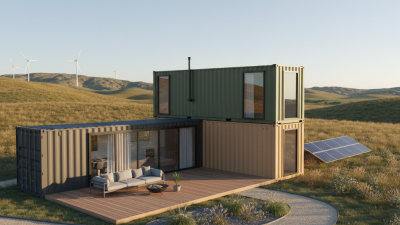
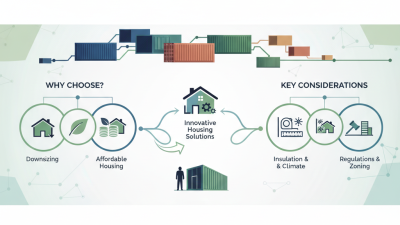
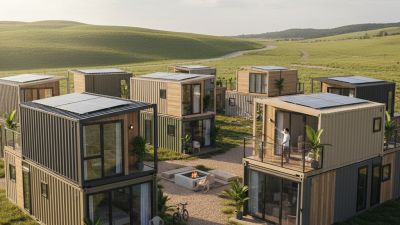
What is a Container Expandable Home and Why is it Popular?
The container expandable home is emerging as a popular housing solution. This innovative concept utilizes shipping containers, allowing for modular living spaces. According to a recent report by Grand View Research, the global portable housing market is projected to reach $75 billion by 2027. This growth reflects a rising demand for affordable and adaptable living options.
Container expandable homes are gaining traction among millennials and remote workers. These homes offer versatile designs that can be customized to fit various lifestyles. Homes can expand or contract based on changing needs. This flexibility appeals to individuals seeking efficient space utilization.
However, challenges remain. Critics argue that not all container designs prioritize sustainability. Additionally, building codes can complicate approvals. Despite these concerns, the trend indicates a shift towards innovative housing solutions. As more people consider downsizing or minimizing their environmental impact, the container expandable home may well redefine modern living.
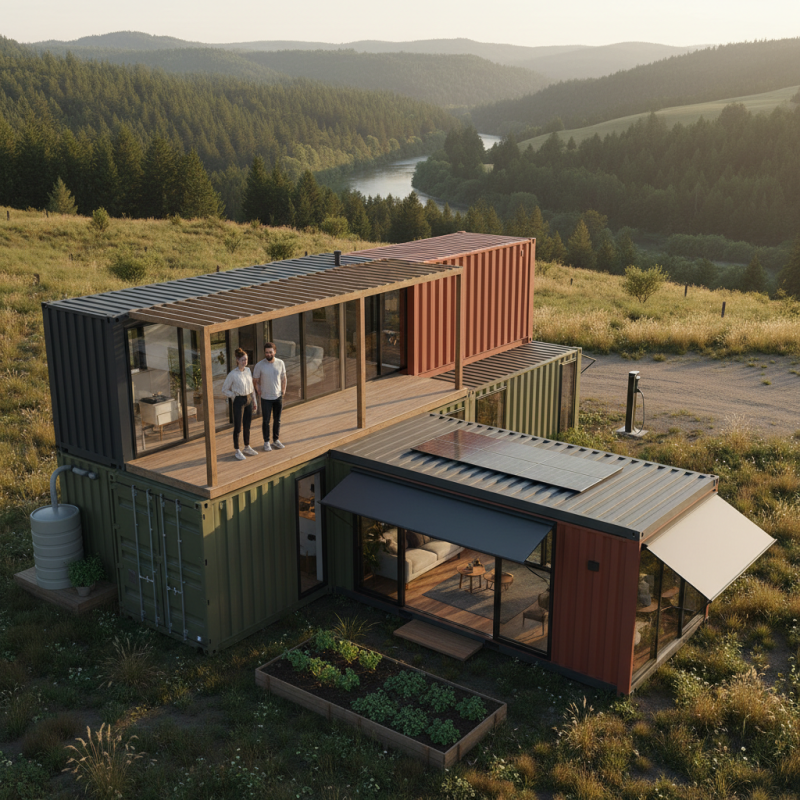
Definition of Container Expandable Homes
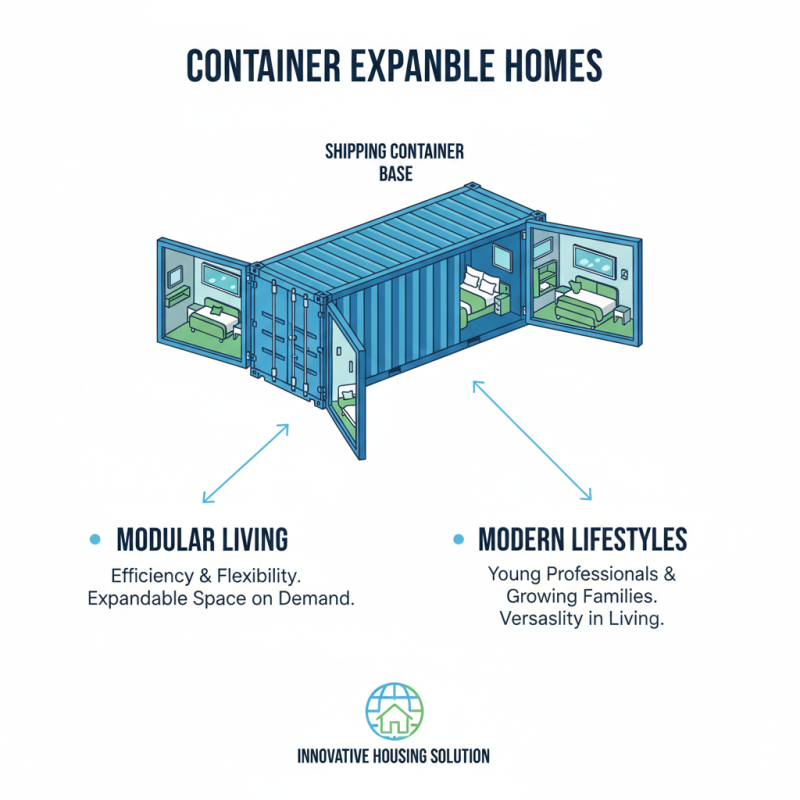
Container expandable homes are innovative living solutions that combine efficiency and flexibility. These homes are constructed using shipping containers that can be expanded to create more space when needed. They cater to modern lifestyles where versatility in living arrangements is increasingly valued. The concept appeals to various demographics, from young professionals to growing families.
The functionality of container expandable homes is significant. When in a compact state, the homes retain a minimal footprint, suitable for small lots or urban settings. When more space is necessary, the sides can be opened, revealing additional rooms. This adaptability is appealing, especially in areas with fluctuating housing demands. However, it is crucial to consider design limitations and local zoning laws that can impact their feasibility.
While enjoying their rising popularity, some aspects require reflection. The aesthetic appeal may not suit everyone, and insulation issues can arise depending on climate. Additionally, there is an ongoing debate about sustainability versus quality in construction materials. The balance between eco-friendliness and durability remains a topic of discussion in this evolving housing trend.
Key Features of Container Expandable Homes
Container expandable homes are gaining traction as innovative housing solutions. They offer a flexible living space that can adapt to various needs. One key feature is their modular design. This allows homeowners to expand and contract the layout based on their preferences. The International Housing Association notes that such designs can reduce construction time by up to 50%.
Another important aspect is their sustainability. Container homes often recycle shipping containers, reducing waste. A report by the Global Sustainable Housing Forum indicates that using recycled materials can lower the overall carbon footprint by 30%. Additionally, these homes can be equipped with energy-efficient systems. Solar panels and rainwater collection systems are common. Many homeowners prioritize the ability to personalize their space while maintaining a minimal environmental impact.
Despite the advantages, there are growing pains. Some buyers might worry about insulation and durability. Proper insulation remains crucial for climate control. Urban planners observe that many areas still lack proper zoning regulations for container homes. As interest grows, it is essential to address these concerns for broader acceptance. The future of container expandable homes looks promising, but challenges remain in mainstream acceptance and practical implementation.
Benefits of Choosing Container Expandable Homes
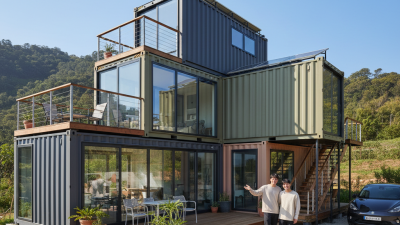
Container expandable homes are gaining traction for several compelling reasons. One major benefit lies in their design flexibility. These homes can be easily expanded or reconfigured to suit individual needs. Whether a growing family requires more space or a minimalist lifestyle demands downsizing, container homes adapt accordingly. This customizable aspect appeals to many homeowners and increases their marketability.
Cost efficiency is another significant advantage. Container homes generally cost less than traditional houses. The use of salvaged materials reduces construction expenses. However, it's essential to consider potential hidden costs. Site preparation and customization can add up. Homeowners must weigh these factors carefully.
Sustainability also plays a vital role in their popularity. Container homes promote recycling and minimize environmental impact. Many designs incorporate energy-efficient systems, further enhancing their eco-friendliness. Yet, some techniques may still lack reliability. Not all environmentally friendly options guarantee the same performance. Hence, thorough research is needed to ensure these homes meet one's specific standards and expectations.
Environmental Impact of Container Expandable Homes
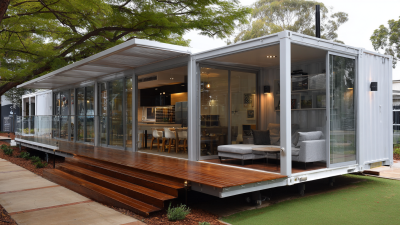
Container expandable homes are gaining attention for their unique construction and design. They allow for quick assembly and disassembly, making them a flexible housing option. Their construction utilizes repurposed shipping containers, which minimizes waste. This practice reduces the carbon footprint associated with traditional building materials.
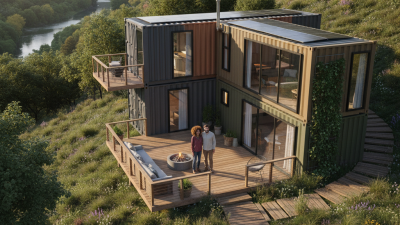
The environmental impact of container homes is significant. They often require fewer resources and energy to build. Additionally, these homes can be placed in diverse locations without extensive land alteration. This leads to less disruption of ecosystems. It’s important to consider the entire lifecycle of such structures. Are they truly eco-friendly, or do they require resources that negate their benefits?
Tips: When considering a container home, think about insulation. Proper insulation is crucial for energy efficiency. Explore local regulations as they can affect placement and design. Seek ways to integrate renewable energy sources. This can heighten your home’s sustainability. As you plan, reflect critically on the materials used. Are they sourced ethically and sustainably? Sustainable choices can make a big difference in the long run.
Popularity Trends and Future Outlook for Container Expandable Homes
The trend of container expandable homes is surging. This construction style appeals to diverse groups, from urban dwellers to those seeking eco-friendly solutions. According to a recent report by Grand View Research, the global modular home market, including container homes, is expected to reach USD 109.9 billion by 2027. The flexibility and affordability of container homes contribute to this growth. People are looking for innovative alternatives to traditional housing.
Sustainability is a core reason for this interest. Container homes often utilize reclaimed materials, reducing their carbon footprint. The International Energy Agency emphasizes that building energy-efficient homes can cut global CO2 emissions by 30%. However, the expansion of this market faces challenges. Local zoning laws can restrict installation, and some designs may lack energy efficiency. This reality sparks a debate about true sustainability in construction.
Innovative designs are emerging to address these challenges. Architects are rethinking container layouts to enhance livability. Smart technology integration is on the rise, allowing for personalized living spaces. Yet, some designs can be expensive and difficult to acquire. The balance between affordability and advanced features is a topic worth discussing. As interest in container expandable homes grows, so does the need for industry reflection and adaptation.
Popularity Trends of Container Expandable Homes
The chart above illustrates the growing interest in container expandable homes over the years from 2018 to 2023. As shown, there is a significant upward trend in search interest, reflecting their increasing popularity as an innovative and flexible housing solution.