Are Container Homes Modular Solutions for Modern Living?
Container homes modular solutions are gaining traction in modern living. These innovative structures are increasingly recognized for their sustainability and cost-effectiveness. According to a report by the US Department of Housing and Urban Development, modular homes can save up to 20% on construction costs. This indicates a significant shift towards affordable housing options.
The appeal lies in their adaptability. Container homes modular designs allow for quick assembly and customization. Homeowners can choose layouts that suit their lifestyle. Studies show that modular solutions contribute to decreased construction waste, addressing environmental concerns. However, it's essential to consider the potential downsides. Some may find the limited space challenging for larger families.
Moreover, local zoning laws can complicate installation. Despite these issues, the market for container homes is expanding. A recent survey by the National Association of Home Builders indicates a growing interest in alternative housing. As urban areas face housing shortages, container homes modular solutions provide a promising alternative.
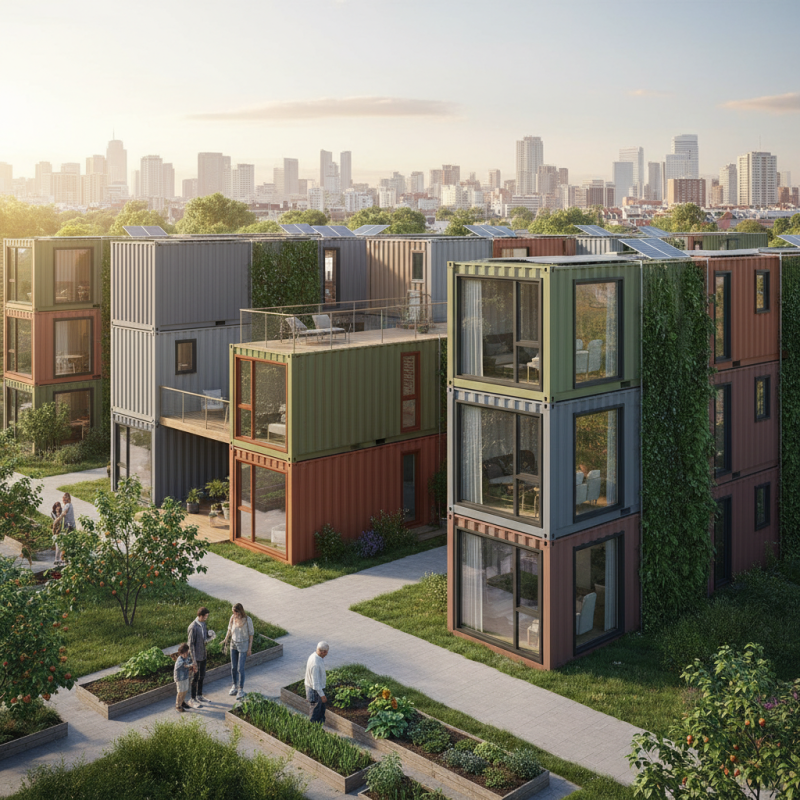
The Concept of Container Homes in Modern Architecture
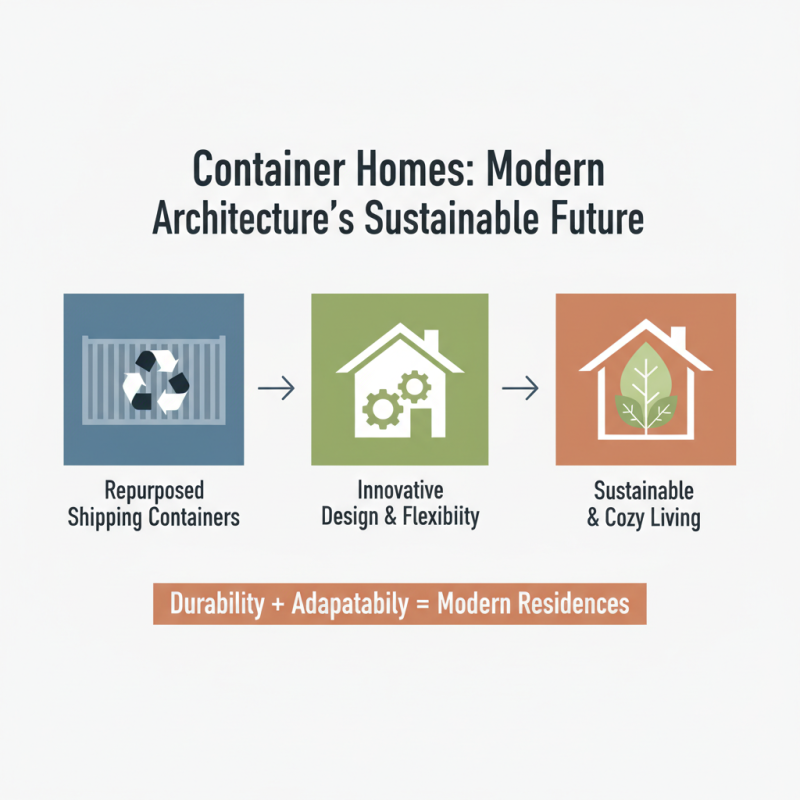
The concept of container homes is reshaping modern architecture. These homes are constructed using repurposed shipping containers. They offer innovative design possibilities and sustainable living options. Architects appreciate their durability and flexibility. With proper design, containers can be transformed into cozy, modern residences.
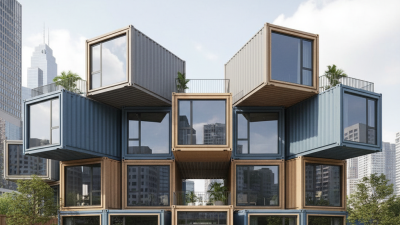
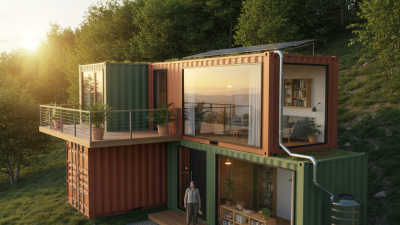
Container homes can be highly customizable. They can be stacked, arranged, or connected in various configurations. This flexibility appeals to many who seek unique living spaces. Large windows and open layouts often enhance the appeal. The minimalist style resonates with those wanting to declutter their lives.
However, challenges exist. Insulation and ventilation require careful planning. Not everyone is convinced about long-term comfort. Some may worry about resale value. Despite these concerns, container homes symbolize a shift in how we view living spaces. They challenge conventional building norms and inspire sustainable practices in home design.
Benefits of Container Homes as Modular Living Solutions
Container homes are gaining traction as innovative modular solutions. These homes offer flexibility and adaptability. A report from the Container Home Association states that modular homes can reduce construction time by up to 30%. This speed can meet urgent housing needs in urban areas.
One significant advantage of container homes is their sustainability. Reusing steel containers minimizes waste. According to the Global Alliance for Sustainable Housing, using recycled materials can lower carbon footprints by 30%. Container homes typically require less energy and promote efficient living. However, challenges exist, like insulation and climate control. Proper investment in these areas is crucial for long-term comfort.
Affordability is another appealing aspect. Building a container home can be 50% cheaper than traditional homes. According to the National Association of Home Builders, initial costs are lower, but potential buyers must consider financing options. Container homes may also appreciate in value, but market fluctuations can influence this. Ensuring that local regulations support such constructions is vital, as some areas may impose restrictions.
Are Container Homes Modular Solutions for Modern Living? - Benefits of Container Homes as Modular Living Solutions
| Feature |
Description |
Benefits |
| Cost-Effective |
Container homes are typically cheaper to build compared to traditional homes. |
Lower initial investment and reduced construction costs. |
| Quick Construction |
Building with containers can be much faster than standard construction. |
Faster time to occupancy and less disruption to the site. |
| Sustainability |
Repurposing shipping containers reduces waste and landfill use. |
Environmentally friendly and promotes recycling. |
| Mobility |
Container homes can be transported easily to new locations. |
Flexibility for relocation or expansion as needs change. |
| Customizable |
Container homes can be customized in layout and design. |
A variety of designs to cater to individual tastes. |
| Durability |
Shipping containers are designed to withstand harsh conditions. |
Long-lasting and resilient structures against weather challenges. |
Challenges and Limitations of Container Home Construction
Container homes present exciting possibilities in modern living. However, they come with notable challenges. One issue is insulation. Metal containers can become hot in summer and cold in winter. Proper insulation is essential for comfort. Yet, achieving adequate insulation while maintaining a minimal aesthetic can be tricky.
Another challenge is zoning regulations. Many areas have strict rules regarding home construction. This can hinder container home development. Homeowners may face long approval processes. There is often a lack of clear guidelines. Additionally, not all contractors are experienced with container building. This can result in costly mistakes.
Structural integrity is also a concern. Shipping containers are designed to hold heavy loads. Modifying them can weaken their structure. Builders need expertise in reinforcing containers properly. This requires knowledge of materials and construction techniques. All these challenges highlight the need to approach container home construction carefully.
Environmental Impact and Sustainability of Container Homes
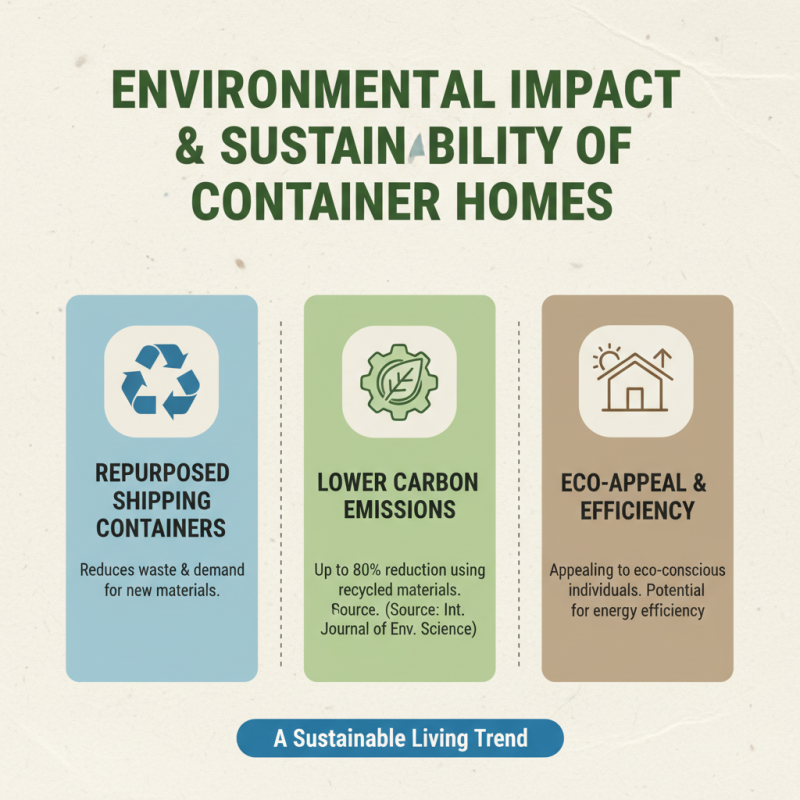
Container homes represent a growing trend in sustainable living. Their construction uses repurposed shipping containers, which can significantly reduce waste. According to a report by the International Journal of Environmental Science, building with recycled materials can lower carbon emissions by up to 80%. This aspect makes container homes an appealing choice for environmentally conscious individuals.
These homes often require less energy to maintain. Insulation techniques can enhance efficiency, making them suitable for various climates. However, there are concerns related to air quality within these structures. Container homes may trap pollutants if not properly ventilated. Ensuring adequate airflow is crucial for healthy living conditions.
Water usage in container home construction is also noteworthy. Standard building practices can lead to high water consumption. In contrast, innovative methods in container home building can cut water usage by around 60%. Despite these benefits, potential buyers should reflect on local regulations and land usage policies, as they can impact the feasibility of installing these homes.
Future Trends in Container Home Design and Usage
The trend of container homes is growing. They are seen as viable modular solutions for modern living. These homes offer flexibility and sustainability, which appeals to many. Container homes can be easily customized to fit personal needs. Increasingly, designers focus on maximizing space and natural light. This can make a small area feel much larger.
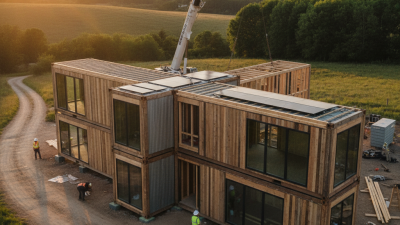
Tips: Consider energy efficiency when designing your container home. Use materials that enhance insulation. Solar panels can also be integrated for better energy use.
Future trends in container home design include smart technology. Many new homes will feature advanced automation systems. These systems enhance security and comfort. However, not all homeowners may find this technology essential. Some may prefer simpler setups.
Tips: Keep functionality in mind. A stylish design must serve daily needs. Evaluate your personal priorities before making design choices. Prioritize comfort and practicality when planning.