What is Cream Pump and How to Choose the Best One?
In the cosmetic industry, the significance of the right dispensing solution cannot be understated. A reliable Cream Pump ensures precise application of skincare products. According to market research, the demand for efficient cream dispensing systems is projected to grow by 5.2% annually. This underscores the importance of selecting a quality cream pump for both consumers and manufacturers.
Choosing the best Cream Pump can be daunting. Various factors, such as material durability, pumping mechanism, and design, play a crucial role. Many users encounter issues like inconsistency in dispensing or product wastage. Reports suggest that nearly 20% of consumers express dissatisfaction with their current dispensing tools. Addressing these concerns can lead to improved user experiences.
For brands, the right Cream Pump not only maximizes product utility but also enhances customer satisfaction. Understanding these elements is vital. With many options available, careful consideration is necessary. Selecting the appropriate cream pump reflects a commitment to quality and consumer needs, influencing overall product perception.
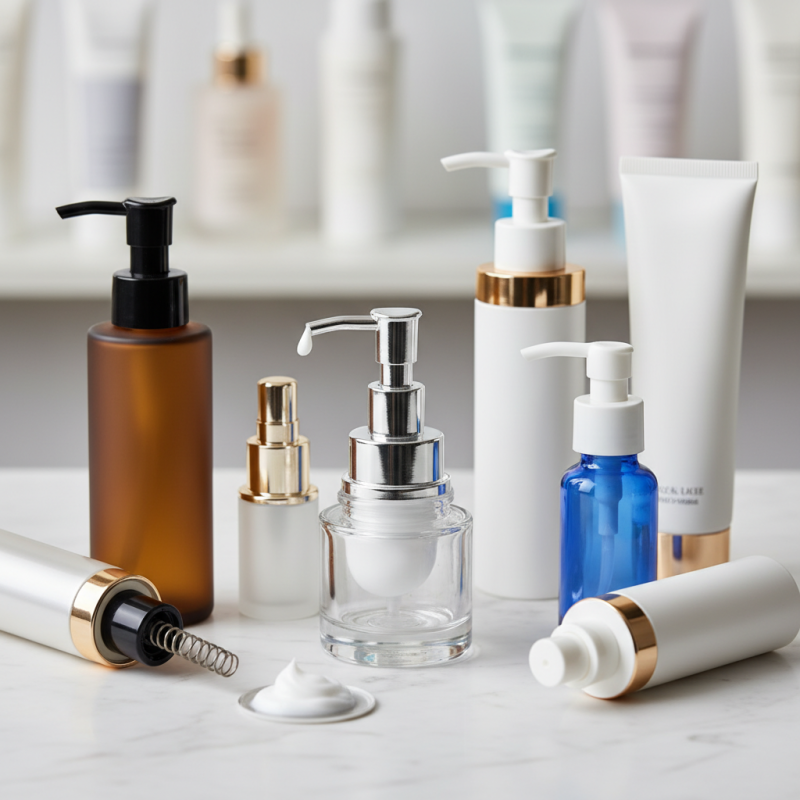
What is a Cream Pump?
A cream pump is a specialized dispensing device used for delivering cosmetic creams or lotions. It offers precision and control in portion sizes. Understanding how to use a cream pump effectively can greatly enhance user experience. Recent market studies suggest that over 70% of consumers prefer products with a pump for ease of use and hygiene.
When selecting a cream pump, consider the material and mechanism. Look for pumps made of durable materials that prevent contamination. The mechanism should dispense consistent amounts of product. According to industry reports, efficient dispensing can minimize waste by nearly 25%.
Tips: Ensure the pump fits securely on the bottle. A loose fit can cause leaks and spills. Regular cleaning of the pump mechanism is crucial. This prevents buildup that can affect performance. It's also important to assess your individual needs. Not every pump suits every cream type. Take the time to test different options before making a decision.
Main Types of Cream Pumps Available on the Market
When selecting a cream pump, understanding the available types is crucial. There are mainly four types: manual pumps, electric pumps, airless pumps, and vacuum pumps. Each type is designed for specific applications and offers unique benefits.
Manual pumps are affordable and easy to use. They often require physical effort, which can be tiring for frequent use. Electric pumps are powerful and ideal for high-volume needs. They can deliver cream quickly, making them suitable for busy environments. Airless pumps are known for preserving the integrity of the cream. They minimize exposure to air, preventing spoilage, which is critical for sensitive formulations. Vacuum pumps, on the other hand, protect the cream from oxidation. They provide a longer shelf life, but are often more expensive.
Tips: When choosing a cream pump, consider the type of cream you are using. For thicker creams, a sturdy manual or electric pump may be needed. Evaluate your budget and frequency of use. It is also essential to check the compatibility with your formulation. Look for pumps made from high-quality, non-reactive materials. This can maintain the cream's integrity.
It's worth noting that while electric pumps excel in performance, they may require periodic maintenance. Manual pumps can be more prone to wear and tear. Sometimes, a balance between price and functionality needs careful consideration. Always seek feedback from users to ensure reliability.
Factors to Consider When Choosing a Cream Pump
When choosing a cream pump, several factors come into play. The type of pump is crucial. Consider whether you need a manual or electronic version. Manual pumps are often simpler and more affordable. However, electric pumps can deliver more consistent results. Comfort and ease of use should align with your needs.
Material quality is another significant aspect. Look for pumps made from durable, non-reactive materials. This ensures the cream's integrity and safety. The design also matters. A well-designed pump should fit comfortably in your hand and allow for precise application. Functionality can vary greatly among models, leading to frustration if the pump is not efficient.
Don’t overlook the size and capacity either. A pump that holds too much may lead to waste, while a smaller one might require frequent refills. Additionally, user reviews can offer insights. Real experiences highlight which models perform well and which ones fail. Always consider your specific requirements. Reflect on what features you truly need versus what looks appealing on the surface. This reflection will lead to a better choice.
Benefits of Using a Quality Cream Pump
Using a quality cream pump can greatly enhance your skincare routine. It allows for precise dispensing, reducing contamination risks. The right pump ensures that you use just the right amount of product each time. This minimizes waste and helps you get the most out of your creams or serums.
Tips for choosing a cream pump include considering the material. A durable pump can withstand frequent use without breaking down. Look for pumps that have a good sealing mechanism. This helps maintain the product's integrity. It’s great if the pump is easy to clean, but many forget this aspect.
Many users overlook the size of the nozzle. A finer nozzle helps control the flow better, ensuring that you can dispense small quantities without any mess. If the pump doesn't suit your application needs, it can lead to frustration. Taking time to assess your options can ensure a better experience in the long run.
Benefits of Using a Quality Cream Pump
Tips for Maintaining Your Cream Pump for Longevity
Maintaining your cream pump is crucial for its longevity. Regular cleaning is essential. Studies show that over 30% of pumps fail due to insufficient upkeep. It's important to flush the pump daily after use. This prevents residue build-up and clogs, which can compromise performance. A simple rinse can extend the life of your device significantly.
Inspect the seals and gaskets frequently. Weak seals can lead to leaks, costing both product and money. Research indicates that changing components every six months can increase efficiency by 15%. Store the pump in a cool, dry place. Extreme temperatures can damage the internal mechanisms. Avoid leaving the pump in direct sunlight; UV exposure can degrade materials over time.
Keep a journal of maintenance activities. Documenting each service helps track performance trends and highlights areas needing attention. Some users overlook this step, thinking it’s unnecessary. In reality, a record can reveal patterns that might escape casual observation. Regular maintenance not only improves function but also fosters trust in your equipment.