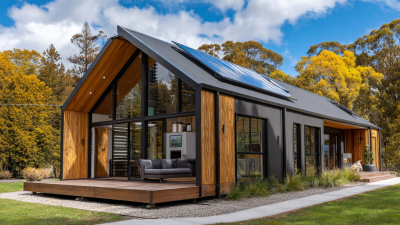
10 Essential Tips for Building Your Dream Container Home in 2023
In recent years, the concept of container homes has surged in popularity, offering an innovative solution to
affordable and sustainable housing. According to a report by the Container Housing Association, the global market for container homes is projected to grow by
25% annually, driven by the increasing demand for eco-friendly living spaces. Expert in sustainable
architecture, Dr. Alice Greenfield, notes, “Container homes not only provide versatility in design but also
significantly reduce construction waste, making them a top choice for environmentally conscious consumers.”
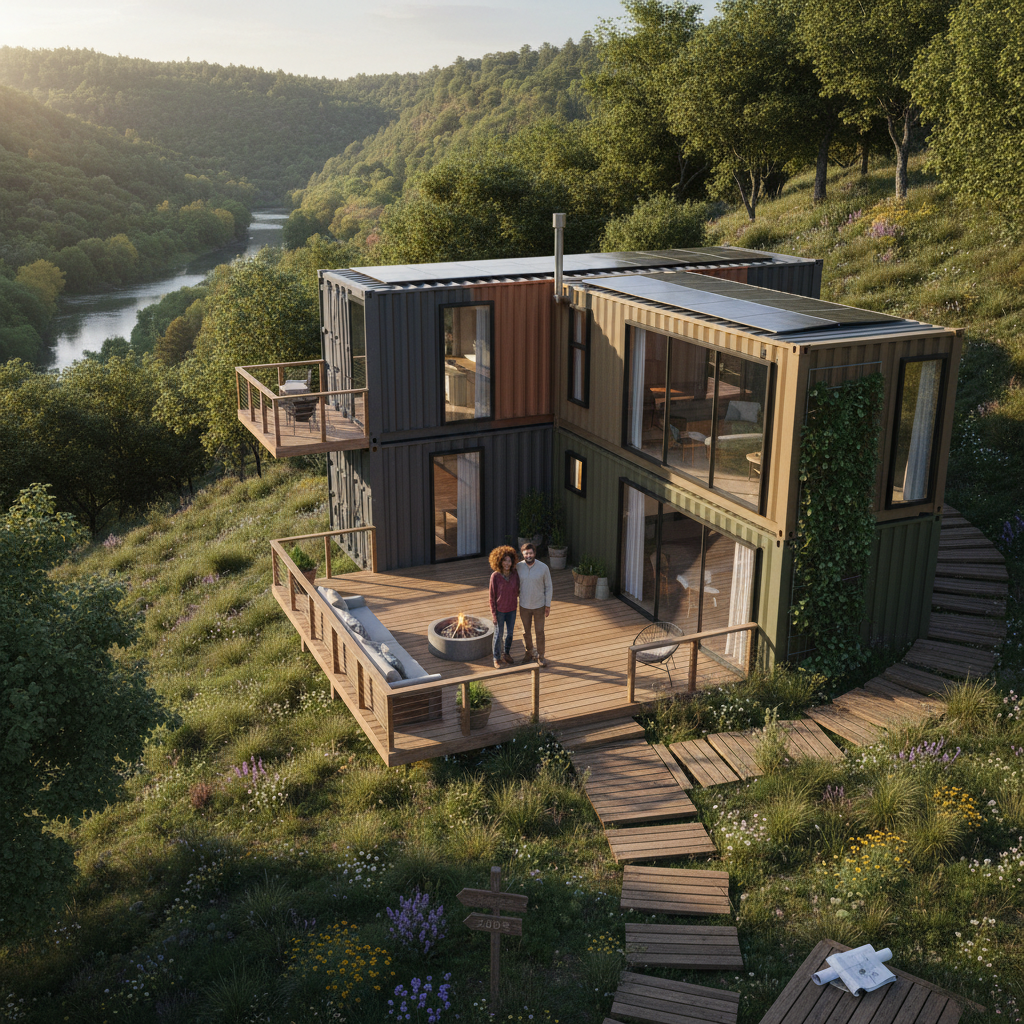
As we move into 2023, it becomes essential for aspiring homeowners to understand the intricate aspects of
constructing a container home. Whether you’re looking to establish a cozy retreat or a modern family dwelling, the fundamentals of building with shipping
containers can dramatically impact the project’s success. With the rise of creative designs and innovative technologies in the construction industry,
container homes are set to revolutionize the traditional notions of homeownership and sustainability in the coming years.
This article presents ten essential tips for creating your dream container home, with insights derived from industry experts and practical advice to guide
you through the process. Embrace the future of housing with container homes, blending functionality, affordability, and style
in 2023 and beyond.
Choosing the Right Location for Your Container Home: Key Considerations
When choosing the right location for your container home, several key considerations must be taken into account to ensure optimal comfort and functionality. According to a recent report by the Container Housing Association, nearly 75% of container home owners cite location as the most critical factor influencing their overall satisfaction. The choice of location impacts not only property value but also lifestyle and environmental factors.
Accessibility to utilities like water, electricity, and sewage systems plays a crucial role. A study from the National Association of Realtors revealed that properties with easy access to these utilities can see a value increase of up to 20%. Furthermore, considering local climate and weather conditions is paramount; homes in regions with mild weather can significantly reduce heating and cooling costs. According to the U.S. Department of Energy, well-situated homes can save homeowners up to 30% on energy bills, making strategic location a wise long-term investment.
Additionally, proximity to necessary amenities such as schools, healthcare facilities, and shopping areas can enhance your living experience. Data from the American Planning Association shows that homes located within walking distance to essential services not only provide a better quality of life but also promote community engagement. As you embark on your container home journey, prioritizing these location factors will greatly contribute to achieving your dream living space.
Essential Design Features for a Comfortable Container Living Space
When designing your dream container home, incorporating essential features can significantly enhance comfort and functionality. First and foremost, adequate insulation is crucial. Container homes are typically made of metal, which can retain heat in the summer and cold in the winter. Proper insulation not only helps maintain a stable indoor temperature but also reduces energy costs. Consider using eco-friendly insulation materials to boost sustainability without sacrificing comfort.
In addition to insulation, strategic layout and open spaces can create a more inviting living environment. A well-thought-out design that maximizes natural light through windows and skylights can make the space feel larger and more airy. Incorporating multifunctional furniture is another key design feature that can save space and make your container home feel more comfortable. By choosing furniture that can serve multiple purposes, such as a sofa bed or a foldable dining table, you can optimize the limited square footage while maintaining a cozy atmosphere ideal for relaxation and social gatherings.
10 Essential Tips for Building Your Dream Container Home in 2023 - Essential Design Features for a Comfortable Container Living Space
| Tip Number |
Tip |
Description |
Importance Level |
| 1 |
Site Selection |
Choose a location with good access to utilities and natural beauty. |
High |
| 2 |
Insulation |
Proper insulation is crucial for energy efficiency and comfort. |
High |
| 3 |
Natural Lighting |
Incorporate large windows and skylights for sunlight and views. |
Medium |
| 4 |
Ventilation |
Ensure effective ventilation to avoid humidity and overheating. |
High |
| 5 |
Sustainable Materials |
Use eco-friendly materials for a reduced environmental impact. |
Medium |
| 6 |
Outdoor Space |
Design outdoor areas for relaxation and enjoyment of nature. |
Medium |
| 7 |
Multi-functional Furniture |
Choose furniture that can serve multiple purposes to save space. |
Low |
| 8 |
Open Floor Plan |
An open layout creates a sense of space and improves flow. |
High |
| 9 |
Individual Design Elements |
Add personal touches and unique design features to reflect your style. |
Medium |
| 10 |
Budgeting |
Prepare a comprehensive budget to avoid overspending. |
High |
Budgeting for Your Container Home: Costs and Financial Planning Tips
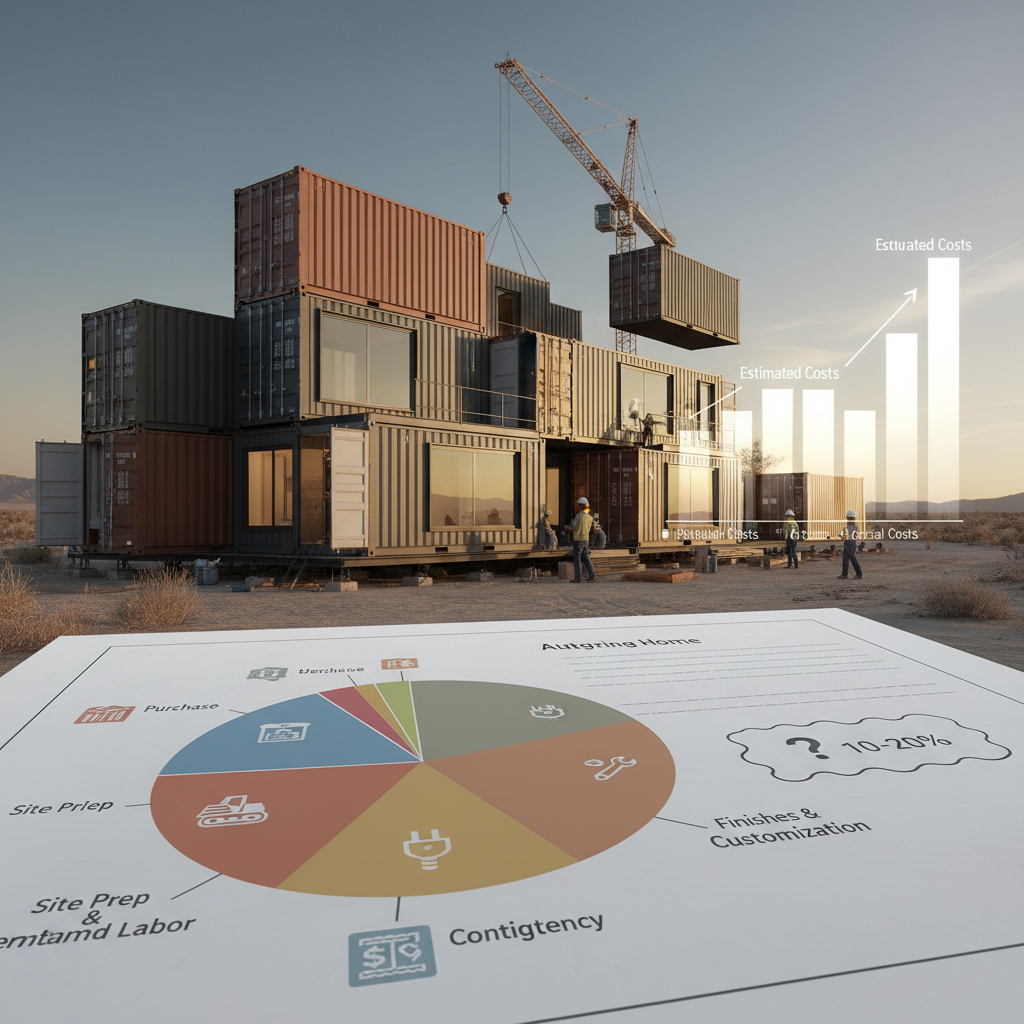
When embarking on the journey to build your dream container home, effective budgeting is paramount.
Understanding the costs involved is the first step to ensuring your project remains financially viable. Start by estimating the total expenditure, which typically includes the purchase of containers, site preparation, utility connections, permits, and any customizations or finishes you envision. It's wise to allocate additional funds for unexpected expenses, which often arise during construction. A cushion of around 10-20% above your initial budget can safeguard against unforeseen costs.
In addition to direct building expenses, consider financing options that can aid in your investment. Explore various loan types, including personal loans, construction loans, or specialized financing for alternative housing. Many lenders are becoming more open to container homes, especially as they gain popularity. It’s also beneficial to consult with a financial planner who has experience in alternative builds to help you understand the long-term implications of your financial decisions, ensuring you're not just prepared for the present, but also for future maintenance and landscaping needs that will enhance your container home for years to come.
Sustainable Practices: Eco-Friendly Solutions for Container Homes
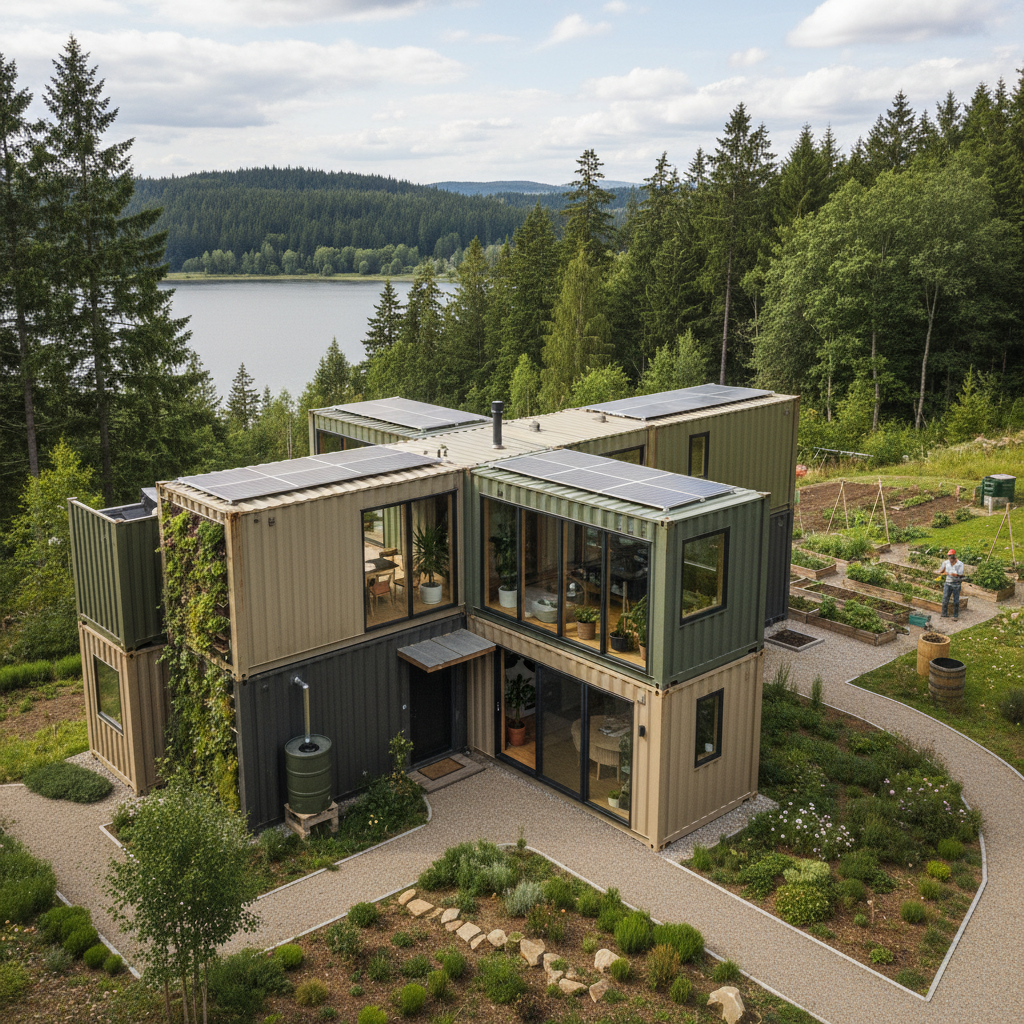
As the interest in sustainable living continues to surge, building a container home emerges as an innovative solution that addresses ecological concerns while offering unique customization opportunities. According to a report from the Global Eco-Friendly Housing Market, the market is projected to grow by over 15% annually, reflecting the increasing demand for green building options. Container homes, made from repurposed shipping containers, not only reduce waste by reusing materials, but they also offer excellent insulation and energy efficiency when designed properly.
Incorporating eco-friendly practices into container home construction can lead to significant reductions in a home’s carbon footprint. Utilizing solar panels can help mitigate energy costs while decreasing reliance on non-renewable resources. Additionally, rainwater harvesting systems, which are gaining traction with a projected adoption increase of 20% over the next five years, offer sustainable water sources for both consumption and gardening. Some homeowners are even integrating green roofs, which not only improve insulation but also support biodiversity by providing habitats for various organisms.
Embracing these sustainable practices in container home builds not only enhances the living environment but also contributes positively to the planet.
Navigating Legal Regulations and Permits for Container Home Construction
Building a container home can be a rewarding journey, but navigating the legal regulations and permits is crucial. Before breaking ground, it’s essential to familiarize yourself with local zoning laws. Some areas may have specific restrictions regarding the use of shipping containers as residences, so consulting with your local planning office is a wise first step. Ensuring compliance with these regulations will save you time and potential fines down the line.
Additionally, obtaining the necessary permits is vital for your project’s success. This often includes building permits, electrical permits, and plumbing permits, depending on your design. When preparing your application, provide detailed plans and specifications for your container home. A well-prepared application can speed up the approval process.
Tip: Engage an experienced architect or builder familiar with container homes to help streamline the permitting process. They can assist in ensuring that your plans meet all local building codes and regulations, making it easier to get the approvals you need. Also, consider joining local container home networks; they often have invaluable insights and resources regarding navigating legal hurdles.
Building Your Dream Container Home: Key Factors to Consider