10 Essential Tips for Choosing Modular Homes
Choosing the right modular home can be a daunting task. Every detail matters. John Smith, a renowned expert in the modular home industry, states, “A modular home should reflect your lifestyle and budget.” His words resonate with many potential buyers.
Modular homes offer flexibility and design options. However, not every choice is straightforward. Potential homeowners often overlook key elements such as site preparation and local regulations. It's easy to get lost in the appeal of design without considering practicalities.
Understanding the benefits and limitations is crucial. Investing in a modular home can be rewarding, but it's not without challenges. Reflect on your needs deeply. The goal is a home that truly fits you.
Understanding Modular Homes: Basics and Benefits
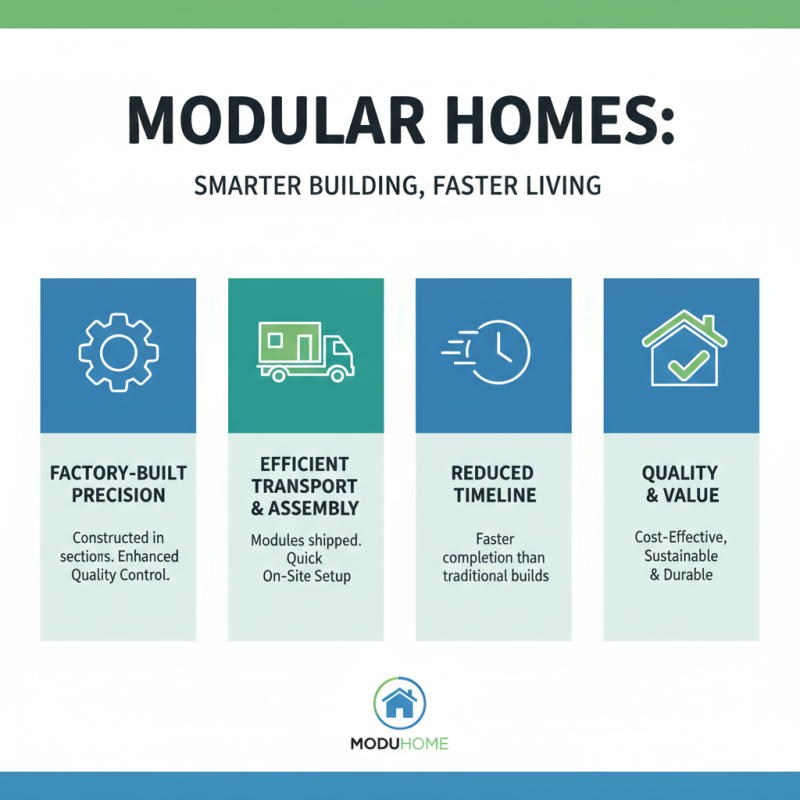
Modular homes are a unique and practical choice for many homebuyers. They are built in sections, or modules, in a factory setting. This method allows for greater quality control and efficiency. The pieces are then transported to the site and assembled. This process can significantly reduce construction time compared to traditional homes.
Choosing a modular home offers various benefits beyond speed. For starters, they are often more energy-efficient. This means lower utility bills, which can be a big plus. They can also be customized to fit the owner's needs and preferences. However, it's essential to weigh the pros and cons thoughtfully. Some may find the initial designs limiting. You might want to invest more in personalized touches later.
Another aspect to consider is the resale value. Modular homes can sometimes have less appeal in the market. While they may not appreciate as much as traditional homes, they offer modern, affordable living solutions. It’s important to reflect on these details before making a decision. Understanding both benefits and potential drawbacks will lead to a more informed choice.
Assessing Your Space Requirements and Lifestyle Needs
When choosing a modular home, understanding your space requirements is crucial. Start by analyzing your current living situation. How many bedrooms do you need? Is there enough room for a home office? Take a moment to envision your day-to-day activities. This reflection will guide your choices, ensuring you prioritize what truly matters.
Lifestyle needs are also essential. Consider how you like to entertain guests. Do you prefer an open layout or more segregated spaces? Outdoor space might be vital if you enjoy gardening or outdoor gatherings. Reflecting on these aspects is key. Sometimes, we overlook our changing needs. A home must adapt to life’s ebbs and flows. Many people realize too late that they underestimated their space requirements or lifestyle changes. Think critically about your needs today and in the future.
Evaluating Design Options and Customization Features
When choosing modular homes, design options and customization features play a vital role. It’s tempting to focus on aesthetics alone. However, practical considerations are equally important. Think about how the layout can impact daily life. Open floor plans might seem appealing. Yet, they can lack privacy in busy households. Closets and storage solutions often get overlooked in the excitement of choosing color palettes.
Customization is another key factor. Many modular homes offer varying levels of customization, but not all options suit individual needs. Take time to evaluate how changes will affect overall functionality. Consider future needs as well. A growing family may require additional bedrooms down the line. This foresight can save money and headaches later.
While customization is appealing, it can also complicate the process. Adjusting plans frequently may lead to delays. Be prepared for the possibility of additional costs. Crafting a dream home should balance dreams with practical choices. It’s easy to get lost in unique features. Staying focused can lead to a home that truly fits your lifestyle.
Researching Manufacturers and Their Reputation
When considering modular homes, researching manufacturers is crucial. A recent report by the Modular Building Institute highlights that 80% of buyers prioritize a company's reputation before making a purchase. This suggests that trust in a manufacturer strongly influences buying decisions.
Manufacturer reputation can be gauged through online reviews, customer testimonials, and industry ratings. According to a survey conducted by J.D. Power, 73% of homeowners felt that an excellent reputation was a deciding factor in their choice of a modular home provider. Testimonials provide insights into both the positives and potential issues, highlighting the importance of looking beyond just glossy marketing materials.
Not all manufacturers are created equal. Some may have innovative designs but lack proper customer support. It’s essential to delve into the company's history. Ask about their years in the business and the number of homes they have built. Transparency in communication is also a red flag when seeking a reputable manufacturer. Engaging with previous customers, if possible, can reveal both strengths and weaknesses. This helps create a more balanced view before making your investment.
Cost Considerations and Financing Options for Modular Homes
When considering modular homes, cost is a primary concern. According to a recent industry report, the average cost of modular homes ranges between $100 and $200 per square foot. This cost can vary based on design, materials, and location. Financing these homes can pose challenges, as lenders often view them differently than traditional builds. A 2022 survey revealed that about 45% of buyers found it difficult to secure financing for modular homes.
Tip: Build a budget that factors in site preparation and installation. Many buyers overlook these hidden costs. It’s important to prepare for unexpected expenses. For instance, land costs can dramatically affect your overall budget. Research the local real estate market to understand land prices in your desired area.
Explore financing options carefully. Some loans are specifically designed for modular homes. Check if you qualify for loans that cater to manufactured and modular homes. Research shows that around 30% of buyers use personal savings to finance their purchase. This could limit your options if contingencies arise. Always review your financial situation comprehensively before proceeding.