10 Essential Tips for Choosing Prefab Buildings Today
Choosing prefab buildings can be a game-changer for many. These structures offer flexibility and quick construction times. They’re perfect for residential, commercial, or industrial use. However, the process of selecting the right prefab building requires careful thought.
Many aspects need consideration. Will the building meet your needs? Is the design appealing? It’s essential to research materials and manufacturers. Quality can vary significantly, and some options may surprise you. Every detail matters, from insulation to aesthetics. Additionally, consider how the building will fit into your site. Does it conform to local regulations? These factors can complicate your decision.
As you explore options, reflect on what truly matters for your project. You might overlook your long-term goals. It’s easy to get caught up in immediate needs. Creating a checklist can clarify your priorities. Ultimately, investing time to choose the right prefab building pays off greatly. Your future self will thank you for it.
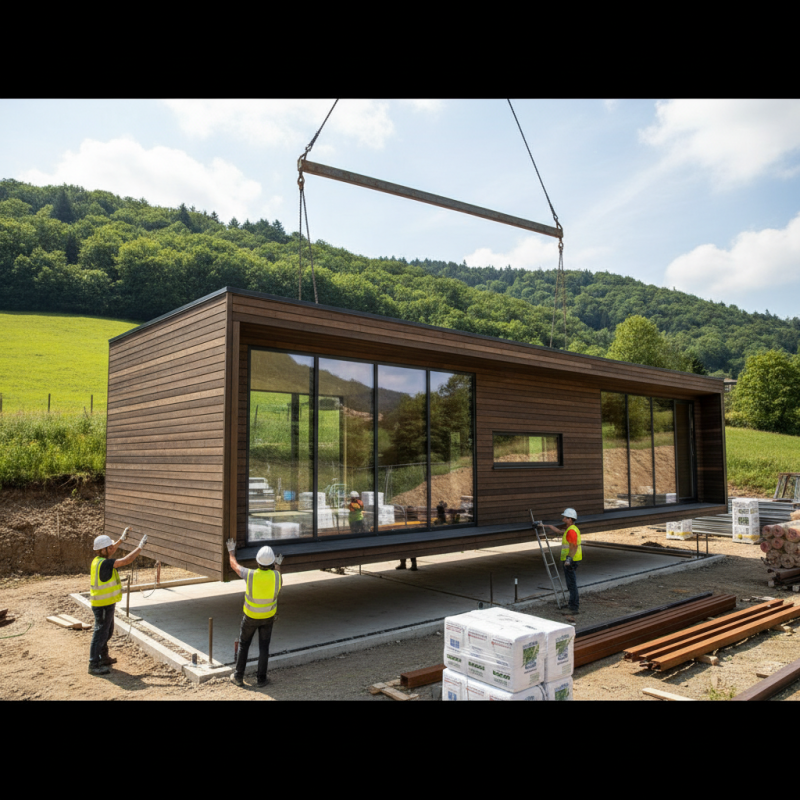
Understanding Prefab Buildings: A Comprehensive Overview
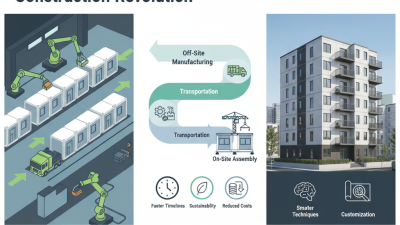
Prefab buildings have gained popularity due to their
efficiency and versatility. They are constructed in sections
off-site and then assembled at the desired location. This method can save time
and reduce material waste. For instance, homes can be built in a fraction of the time compared to
traditional methods. However, factors like zoning laws and local climate should be evaluated seriously.
These elements can complicate or delay your project unexpectedly.
When choosing prefab buildings, consider your specific needs. Think about space, layout, and building purpose.
Each prefab option varies greatly. Some structures are designed for residential use, while others suit
commercial purposes. It’s essential to visualize how the
building will integrate into the surrounding area. Be mindful that not all designs fit every environment,
especially in regions with strict architectural guidelines. Make sure to
communicate with local authorities to avoid potential issues.
Lastly, even with a clear vision, reality may differ as the project progresses. Unexpected costs can arise,
impacting your budget. It’s wise to set aside extra funds for contingencies. Prefab buildings offer exciting
possibilities, but meticulous planning and realistic expectations are vital. Reflect on your preferences
and be prepared for some challenges along the way.
Evaluating Your Needs: Determining the Purpose of Prefabricated Structures
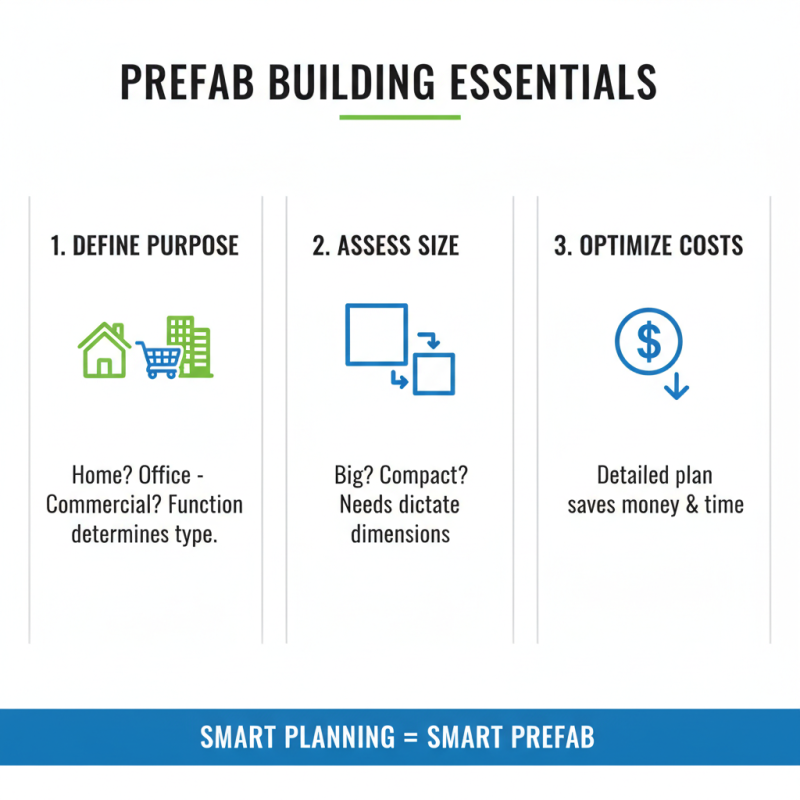
When considering prefab buildings, it's crucial to evaluate your specific needs. What is the main purpose of the structure? Will it serve as a home, office, or commercial space? Identifying the function helps narrow down your options. A detailed assessment can save time and reduce costs. You may initially think you need a large space. But sometimes, a compact design is more practical.
Consider the environment where the building will be placed. Is it urban, rural, or industrial? Each setting has different requirements. For example, zoning laws may affect your choices. Compliance is essential, yet often overlooked. Reflect on the long-term implications of your decision. Will the structure adapt to future changes? Flexibility can be vital in a fast-changing world.
Budget is another significant factor. It's easy to get carried away with fancy features. However, think about what really adds value. Sometimes, basic functionality is the best choice. A simple design may yield better utility in the long run. Keep in mind that aesthetics can be deceiving. A beautiful facade doesn’t guarantee durability or functionality. Balancing these elements requires careful thought and planning.
Key Factors to Consider: Cost, Materials, and Design Flexibility
Choosing prefab buildings can be exciting, but it requires careful thought. Cost is often the most significant factor. Modular structures can save you money. However, prices vary dramatically based on design complexity and materials. Make sure to compare several estimates. A lower cost may lead to poor-quality materials in some cases.
Materials are crucial as they impact durability and maintenance. Steel and wood are popular, but they serve different needs. Steel frames require less upkeep but may have higher initial costs. Wood provides warmth but can need more repairs over time. Assess your environment, as some materials fare better in specific climates.
Design flexibility cannot be overlooked. Some prefab designs are highly customizable, while others are not. Consider your future needs. Will you want to expand? Some buildings can be easily modified. Others might not allow adjustments. It's essential to think ahead to avoid challenges later. Each of these factors plays a role in your overall satisfaction with the prefab building you choose.
Researching Manufacturers: Assessing Reputation and Quality Standards
When researching prefab building manufacturers, reputation and quality are vital. Start by examining online reviews. These can reveal past customer experiences. A few negative reviews may not be alarming, but a pattern is concerning. Look for testimonials that discuss durability and customer support.
It's also essential to check quality standards. Does the manufacturer adhere to local building codes? Are their materials sourced sustainably? A commitment to quality often reflects in the craftsmanship. Reach out to past clients if possible. Their insights can be invaluable in your decision-making.
Consider visiting manufacturing facilities, if feasible. This firsthand experience can help gauge their operations. Observe their construction methods. Do they prioritize safety? This reflection can save you future headaches. Ultimately, investing time in research pays off with a solid choice.
10 Essential Tips for Choosing Prefab Buildings Today
| Criteria |
Importance Level |
Assessment Method |
Quality Indicators |
| Manufacturer's Experience |
High |
Years in Business |
Established History |
| Customer Reviews |
High |
Online Platforms |
Ratings & Feedback |
| Certifications |
Medium |
Request Documentation |
Industry Standards |
| Warranty Offerings |
High |
Review Policies |
Coverage Duration |
| Construction Method |
Medium |
Site Evaluation |
Techniques Used |
| Customization Options |
Medium |
Catalog Review |
Available Features |
| Post-Sale Support |
High |
Contact Options |
Service Reviews |
| Sustainability Practices |
Medium |
Request Information |
Eco-Friendly Metrics |
| Cost Transparency |
High |
Detailed Estimates |
No Hidden Fees |
| Delivery Timelines |
Medium |
Schedule Review |
On-Time Delivery Rates |
Navigating Permits and Regulations: Ensuring Compliance with Local Laws
Navigating the world of prefab buildings requires careful attention to local laws and regulations. Each area has its own set of rules. It can feel daunting, but it’s necessary for a successful project. Start by visiting your local planning office. Gather all relevant information on permits for prefab structures. Understanding these requirements early on can save you time and money.
Consider consulting with experts. They can help clarify complex regulations. This may involve fees, but it’s often worth the expense. Mistakes in this phase can lead to costly delays. Ensure your plans align with zoning laws, building codes, and safety regulations. Some cities have strict guidelines on structure types and sizes.
Don’t forget to check for any environmental assessments required. Sometimes, your land may have restrictions based on ecological concerns. Clarifying these details in advance can prevent surprises. Plan for unexpected hurdles. Some permits may take longer than anticipated, so factor this into your timeline.
Keep communication open with local authorities. Being proactive can smooth out the process. It’s not just about meeting the legal requirements; it’s also about building trust within your community. Focus on these aspects, and your prefab project will have a stronger foundation.
Regulatory Challenges in Prefab Building Permits
This chart illustrates the frequency of various regulatory challenges faced when navigating permits for prefab buildings. Understanding these challenges is essential for compliance with local laws.