10 Essential Tips for Using Expandable Containers Effectively
In today's fast-paced world, the need for efficient storage solutions is more significant than ever. One innovative tool that has gained popularity among organization enthusiasts and movers alike is the expandable container. Designed to adapt to varying storage needs, these versatile containers can effortlessly expand or contract, making them ideal for both everyday use and special occasions. However, using expandable containers effectively requires some strategies to maximize their potential and ensure an organized space.
Whether you're planning a move or simply looking to declutter, understanding how to utilize expandable containers can transform your approach to storage. In this article, we will share ten essential tips that will help you harness the full capabilities of your expandable containers. From effective packing techniques to clever organization hacks, these tips will empower you to streamline your space while keeping your belongings safe and secure. Embrace the versatility of expandable containers and discover how they can revolutionize the way you manage your items in any environment.
Understanding Expandable Containers and Their Benefits
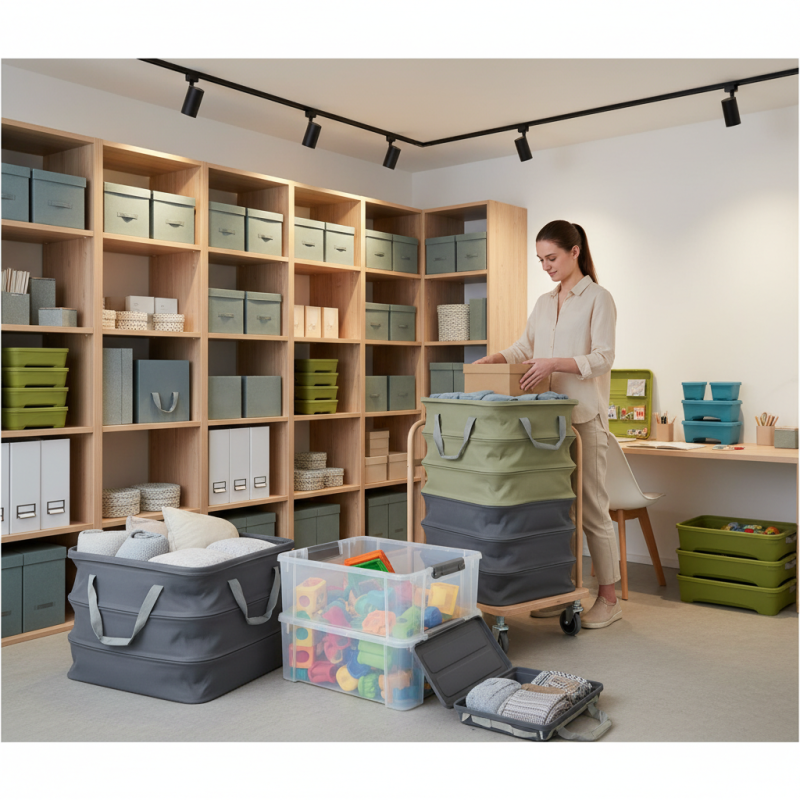
Expandable containers are versatile storage solutions designed to maximize space and adaptability. Their unique structure allows the volume of the container to increase or decrease based on the items stored inside, making them ideal for a variety of uses, from everyday household items to seasonal clothing. This flexibility not only helps in keeping spaces organized but also makes packing and transportation much more efficient, especially during travel or relocation.
The benefits of using expandable containers extend beyond mere space-saving. They often feature materials that provide durability and protection for the contents, ensuring that items are kept safe from potential damage. Furthermore, their lightweight nature contributes to easy handling and mobility. By employing expandable containers, users can enhance their organization skills, thereby reducing clutter and streamlining the process of finding and accessing belongings. Whether for storage at home or on-the-go, understanding the features and uses of these containers can significantly improve one’s overall efficiency in managing personal space.
10 Essential Tips for Using Expandable Containers Effectively
Choosing the Right Size and Type of Expandable Container
When it comes to using expandable containers effectively, selecting the right size and type is crucial. First, consider the purpose of your container. Are you storing food items, household goods, or outdoor equipment? Each of these categories may require different features. For example, food storage containers should have airtight lids to preserve freshness, while containers for outdoor use may need to be more rugged and resistant to environmental factors. Assessing what you plan to store will guide you in selecting containers that meet your specific needs.
Next, think about the size of the expandable container. Choose a size that accommodates your storage requirements without being excessively bulky. It’s important to strike a balance between having enough space for your items and ensuring that the container can be easily transported and stored when not in use. If your needs may change over time, opt for containers that can expand to different capacities. This flexibility not only optimizes storage space but also enhances the practicality of the container for varying tasks, making it a versatile addition to your organization strategy.
Steps to Effectively Expand and Collapse Containers
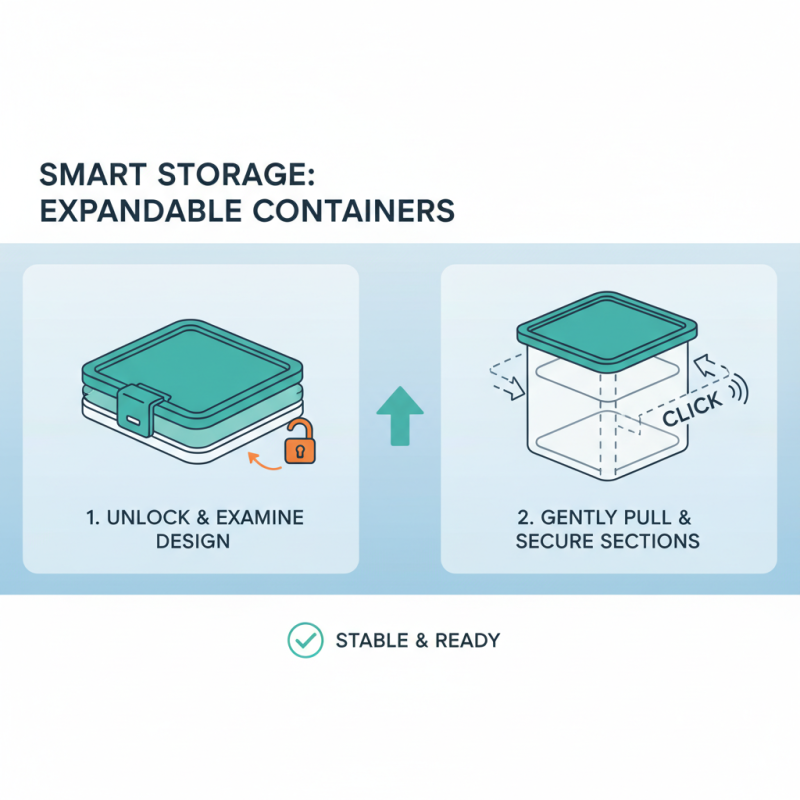
When it comes to maximizing storage space, using expandable containers can be a game-changer. The key step in efficiently managing these containers lies in understanding how to expand and collapse them properly. Firstly, always begin by examining the container's design. Look for any latches or locks that secure the container when it's collapsed. Ensuring these are disengaged is vital before stretching it to its full size. Once you've confirmed the container is ready for expansion, gently pull apart the sides and ensure that all sections are locked into place. This is crucial not only for stability but also for preventing any accidental collapses during storage or transport.
When it's time to collapse the container back down, the procedure is just as important. Start by emptying the container completely, as any remaining items can hinder the collapsing process. After ensuring it's empty, carefully release any locks or latches that hold it in its expanded state. Slowly push the sides back together, maintaining an even pressure to avoid damaging the material. Take care to fold it according to the manufacturer's instructions, as this ensures the container retains its shape and functionality for future use. Properly expanding and collapsing your containers will enhance their longevity and make organization effortless.
Organizing Contents for Maximum Space Utilization
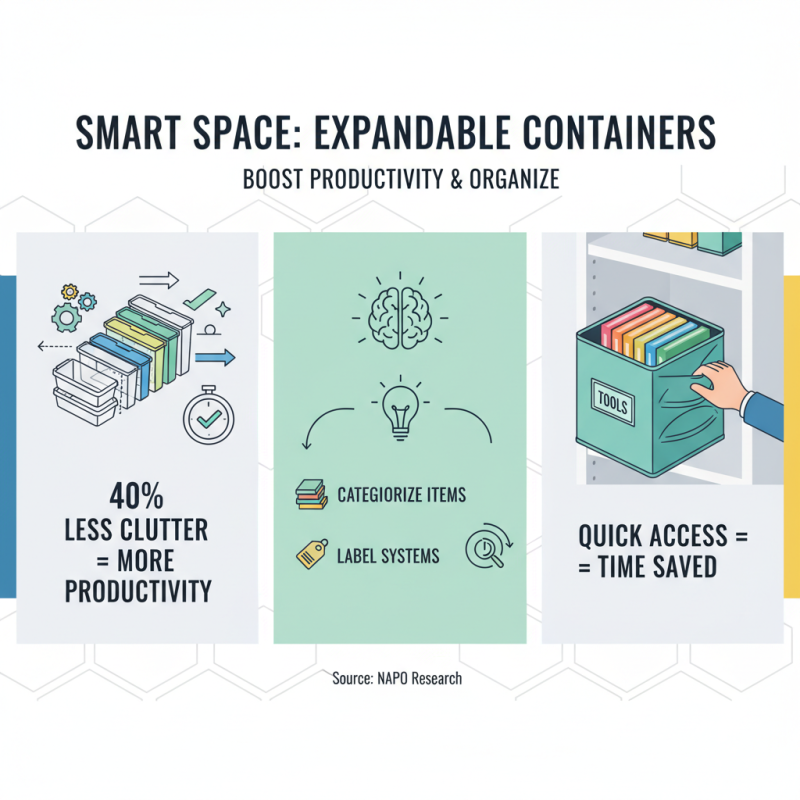
When it comes to maximizing space utilization in your home or workspace, utilizing expandable containers can be a game changer. Research by the National Association of Professional Organizers (NAPO) indicates that clutter can decrease productivity by up to 40%. Therefore, organizing contents effectively within these versatile containers is not just about aesthetics; it's a practical approach to enhance efficiency. By systematically categorizing items and employing labeling systems, users can quickly access what they need, significantly reducing the time spent searching for items.
To make the most out of expandable containers, consider the principles of vertical storage and compartmentalization. According to a report from the Space Management Association, utilizing vertical space can increase storage capacity by more than 30%. By stacking and layering items thoughtfully, you can take advantage of the height available in closets or cabinets. Furthermore, dividing the containers into distinct sections allows for better organization and prevents items from merging into chaos, thereby maintaining clarity and ease of use. Adopting these organizational strategies not only optimizes space but also contributes to a more organized and stress-free environment, making every inch count.
Best Practices for Cleaning and Maintaining Expandable Containers
Cleaning and maintaining expandable containers is essential to ensure their longevity and effective use. First and foremost, it's important to choose the right cleaning materials. Avoid abrasive pads and harsh chemicals which can scratch the surface or degrade the container material. Instead, opt for mild soap and warm water to gently scrub both the inside and outside. Rinsing thoroughly is crucial to remove any soap residue that could affect future uses or contaminate stored items.
Additionally, periodic maintenance checks are vital. After each use, inspect the containers for any signs of wear or damage, such as cracks or deformation. If any issues are detected, address them promptly to prevent further deterioration. Storing the containers in a cool, dry place when not in use will also help maintain their shape and prevent mold growth, which can be a concern if any moisture remains trapped inside. By following these best practices, you can ensure that your expandable containers remain in excellent condition and serve you well for years to come.
10 Essential Tips for Using Expandable Containers Effectively - Best Practices for Cleaning and Maintaining Expandable Containers
| Tip |
Description |
Frequency |
Recommendation |
| Avoid Overfilling |
Keep containers at optimal capacity to ensure durability. |
Every Use |
Follow weight guidelines on the container. |
| Clean After Use |
Rinse and clean containers to prevent buildup. |
After Every Use |
Use mild soap and warm water. |
| Store in a Dry Place |
Prevent mold and mildew by keeping containers dry. |
Ongoing |
Consider a climate-controlled environment. |
| Use Appropriate Materials |
Select containers made for specific contents. |
Every Purchase |
Research material compatibility. |
| Inspect Regularly |
Check for wear and damage. |
Monthly |
Replace if damaged. |
| Label Contents |
Use labels for easy identification. |
Every Use |
Use durable labels. |
| Avoid Direct Sunlight |
Protect containers from UV exposure. |
Ongoing |
Store in shade whenever possible. |
| Use For Intended Purpose |
Use containers for what they were designed for. |
Every Use |
Read instructions and guidelines. |
| Avoid Extreme Temperatures |
Extreme heat or cold may damage containers. |
Ongoing |
Store in stable temperatures. |
| Disassemble for Deep Cleaning |
Take apart containers to clean thoroughly. |
Every Season |
Follow manufacturer's instructions. |