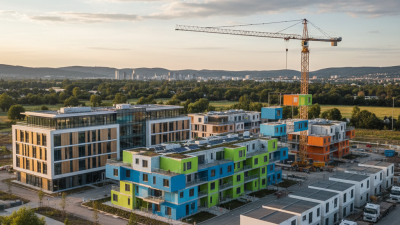
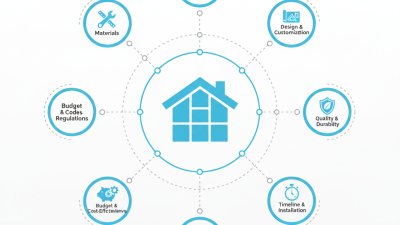
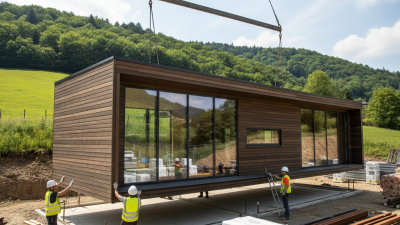
Explore the Future of Prefab Buildings at 139th Canton Fair?
As we look ahead to the 139th Canton Fair, the spotlight on prefab buildings is illuminating exciting possibilities in the construction industry. Renowned prefab expert Dr. Emily Carter stated, "Prefab buildings will transform how we think about space and efficiency." This highlights a growing movement towards sustainable and modular construction techniques.
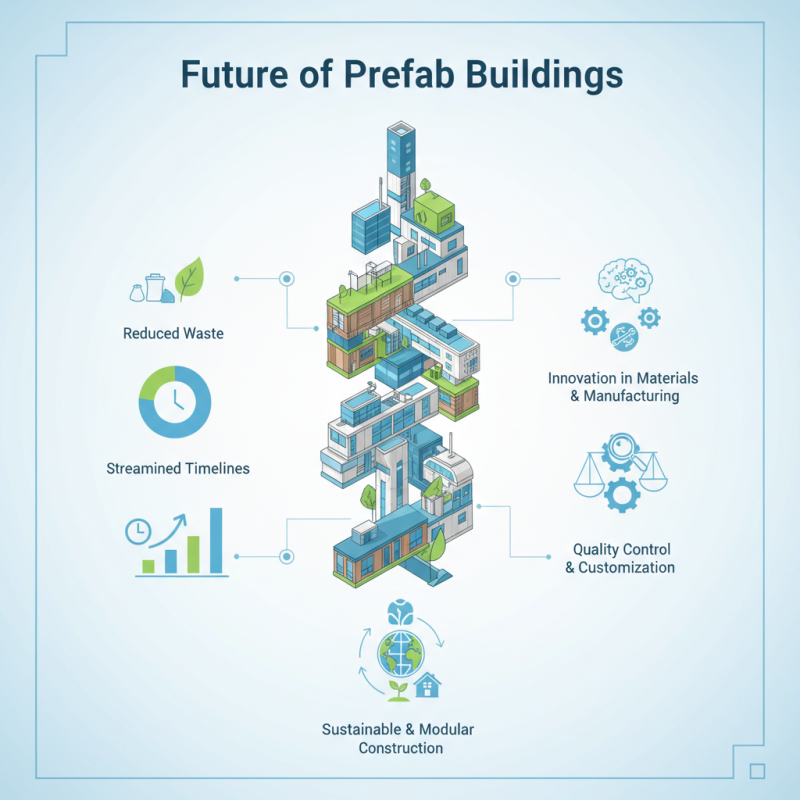
The upcoming fair, scheduled for April 2026, will showcase innovations in both manufacturing and building materials. This event promises to be a hub for key players in the prefab industry. Visitors will witness firsthand how prefab buildings can reduce waste and streamline construction timelines. Many are eager to explore the benefits and challenges of this approach.
While prefab buildings offer numerous advantages, they are not without concerns. Quality control and customization often require deep reflection. As the market evolves, these aspects will be crucial to address. The potential for prefab solutions seems vast, yet there remains a need for careful consideration as the industry grows.
The Rise of Prefab Buildings: Trends in the Construction Industry
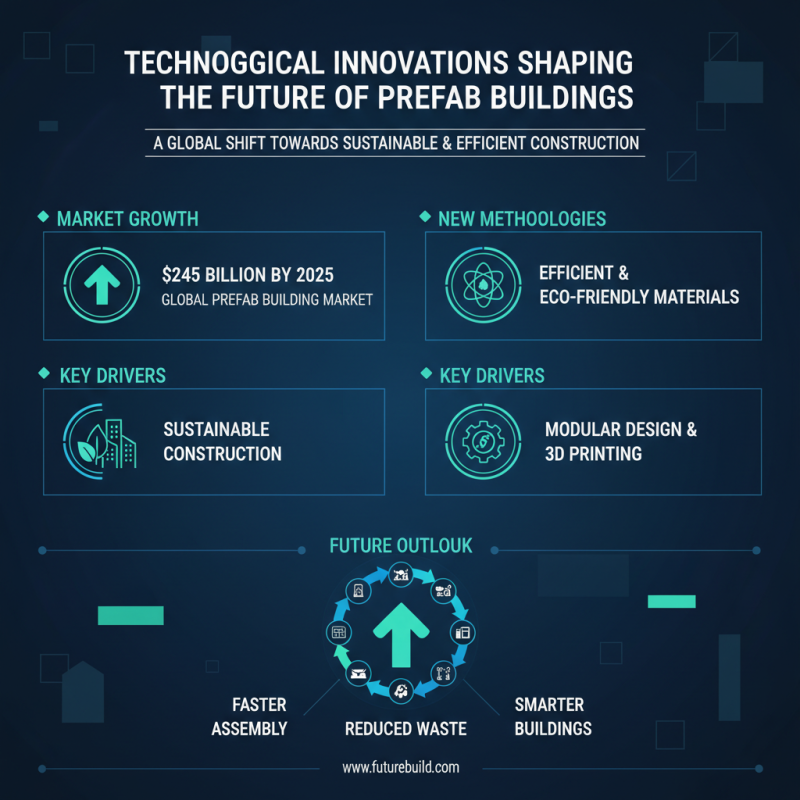
The construction industry is evolving, and prefab buildings are at the forefront. Recent reports suggest that the global prefab building market is expected to reach $200 billion by 2026. This significant growth indicates a shift in how we approach construction. The demand for sustainable and efficient building methods drives this trend. Prefab construction can reduce waste and enhance energy efficiency.
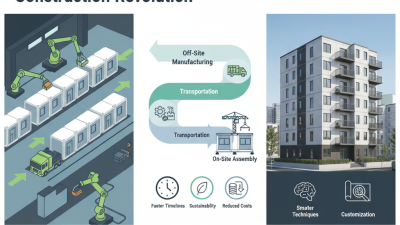
In many cities, prefab buildings offer a faster solution for housing shortages. Traditional methods can take months or years to complete. In contrast, prefab units can be assembled in weeks. However, challenges remain. Some builders express concerns about quality control and long-term durability. Others worry about local regulations that may hinder the adoption of prefab structures.
Design flexibility is another important aspect. Advanced technologies like 3D printing are paving the way for more customized prefab options. Yet, not all designs suit prefabrication. There’s a need for collaboration between architects and manufacturers to overcome these hurdles. Embracing prefab buildings requires a commitment to rethink traditional construction methodologies. The journey ahead promises both opportunities and challenges.
Explore the Future of Prefab Buildings: Trends in the Construction Industry
This chart illustrates the increase in adoption of prefab buildings over the years, highlighting key factors such as sustainability, cost-effectiveness, and time efficiency in construction.
Market Analysis: Growth Projections for Prefab Buildings by 2030
The prefabricated buildings sector is experiencing remarkable growth. According to a recent report by Grand View Research, the market is expected to grow at a compound annual growth rate (CAGR) of 6.3% from 2023 to 2030. This increased demand emphasizes efficiency, affordability, and sustainability. However, challenges in supply chains still need examination.
Prefabricated structures reduce construction time significantly. Studies indicate that they can cut building timelines by up to 50%. Quality control is typically higher due to factory assembly. This makes projects more predictable in cost and completion. Yet, the reliance on standardized components may limit architectural creativity, raising questions about design flexibility.
Consumer interest in sustainable living drives prefab popularity. The global push for eco-friendly construction materials is evident. The use of recycled materials is on the rise. Companies are exploring innovative insulation techniques to reduce energy consumption. Still, the question remains: Are these approaches truly scalable and eco-friendly in the long run? As the industry evolves, addressing these concerns is crucial.
Sustainability in Prefab Construction: Eco-Friendly Materials and Practices
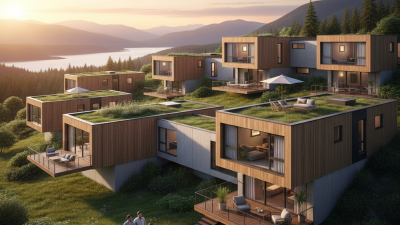
At the 139th Canton Fair, prefab buildings took center stage, showcasing new eco-friendly materials and sustainable practices. Prefabrication has gained traction for its ability to minimize waste and reduce carbon footprints. During the fair, various exhibits highlighted innovations like recycled steel and sustainable wood alternatives. These materials offer durability while promoting greener construction methods.
The focus on sustainability isn't flawless. While many products receive praise, some still rely on traditional, less eco-friendly processes. It's essential to question the environmental impact of every prefab design. For instance, production techniques could be eco-conscious but still utilize fossil fuels during transportation. Reflecting on the entire lifecycle of these buildings can reveal hidden flaws.
Promoting higher standards in prefab construction requires continuous improvement. Engaging with manufacturers and designers can lead to more innovative, sustainable solutions. The conversations at the fair were lively, filled with ideas for future projects. It’s clear that while strides are being made, the journey toward true sustainability in prefab construction is still unfolding.
Consumer Preferences: Demand for Prefab Solutions in Urban Development
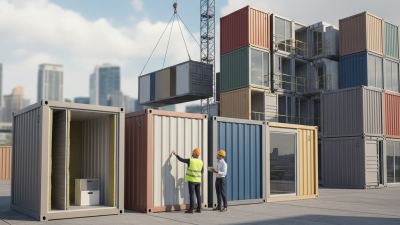
Urban development is undergoing significant changes, with prefab buildings gaining traction. Recent reports indicate that the global prefab construction market is expected to reach $234 billion by 2026. This shift is driven by rising consumer demand for sustainable and efficient housing solutions. In crowded urban areas, space is at a premium. Prefab buildings can be constructed quickly and on-site, making them ideal for cities.
Consumer preferences are evolving. Many city dwellers are looking for affordable yet stylish living options. Prefab structures often offer customizable designs, appealing to a wider demographic. Data shows that 75% of millennials are inclined toward modular housing. This trend is changing the landscape of urban living. However, the lack of widespread awareness about prefab benefits remains a challenge. Not everyone understands the efficiency and sustainability that comes with these solutions.
There is room for improvement in educating the public. While prefab buildings reduce construction time and waste, misinformation persists. Some consumers still associate prefabricated homes with lower quality. This perception needs addressing through effective outreach and demonstration of successful projects. Engaging urban planners and architects in this conversation can bridge the gap between consumer expectations and reality.