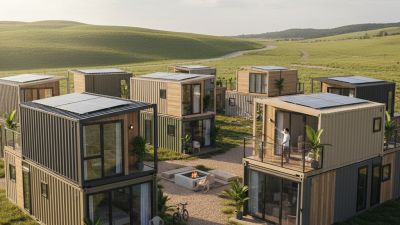
Modular Container Homes Are They the Future of Housing?
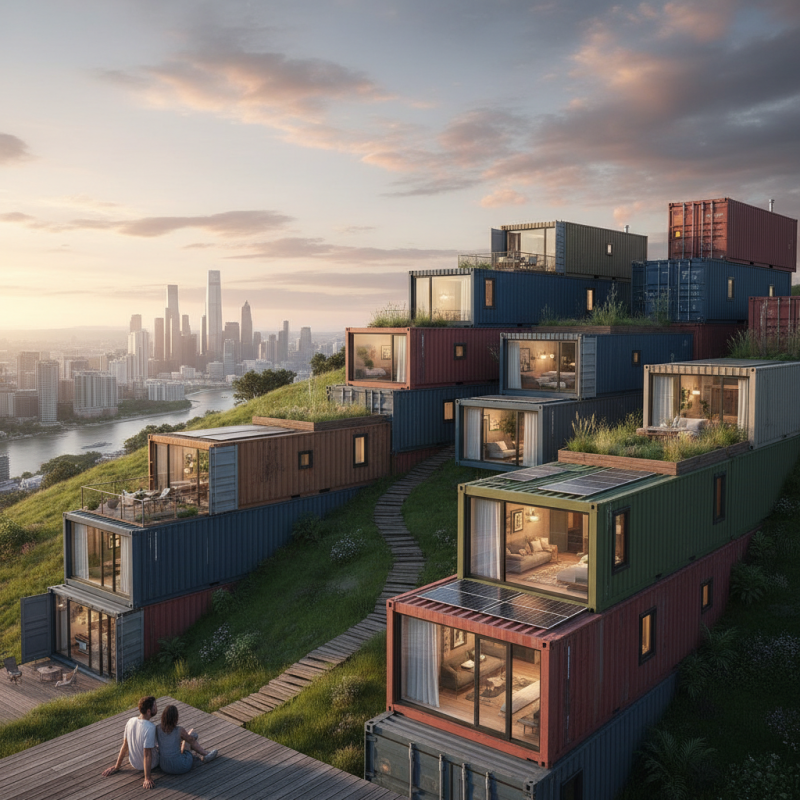
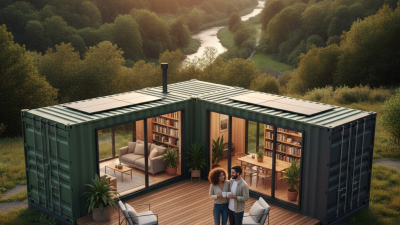
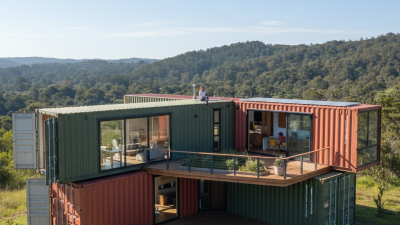
As housing shortages escalate in urban areas, an innovative solution emerges: container homes modular. These homes, made from repurposed shipping containers, offer an affordable and flexible housing option. Their modular design allows for creative configurations, catering to diverse living needs.
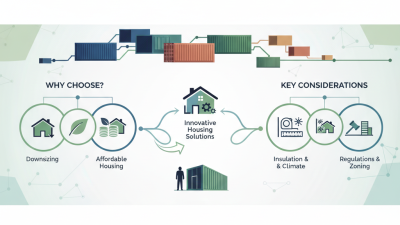
The appeal of container homes modular lies in sustainability. They use recycled materials, reducing waste and environmental impact. However, challenges remain. Critics question comfort levels and insulation properties. These factors can influence the overall living experience.
Container homes modular may redefine modern housing, but they are not without their imperfections. Community acceptance can vary. Local regulations might complicate development. Exploring these aspects reveals both the potential and limitations of this evolving housing trend.
Overview of Modular Container Homes: Defining Features and Benefits
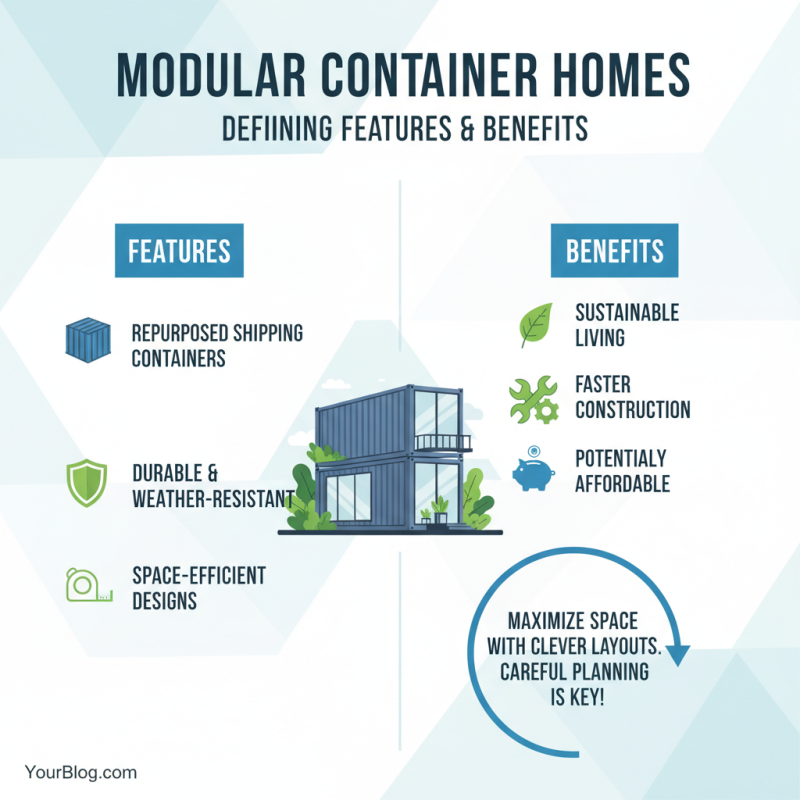
Modular container homes are gaining popularity in modern housing. One defining feature is their construction using repurposed shipping containers. These containers are often durable, weather-resistant, and surprisingly efficient in space. Many designs maximize space with open layouts and multifunctional furniture. However, not every design is perfect, and some can feel cramped without careful planning.
The benefits are compelling. They are often more affordable than traditional homes. Construction time is significantly reduced, allowing faster move-in opportunities. Sustainable living is another plus, as these homes utilize recycled materials. Yet, some buyers have concerns about insulation and comfort during extreme weather. It is essential to research local climate impacts and materials used in each home.
Customization is possible, but finding the right balance can be a challenge. Some may exceed budgets while maintaining desired aesthetics. Others may find energy efficiency lacking if not properly designed. It’s vital to weigh these factors carefully before deciding on modular container homes as a housing solution.
Market Trends: Growth Statistics and Predictions for Modular Housing
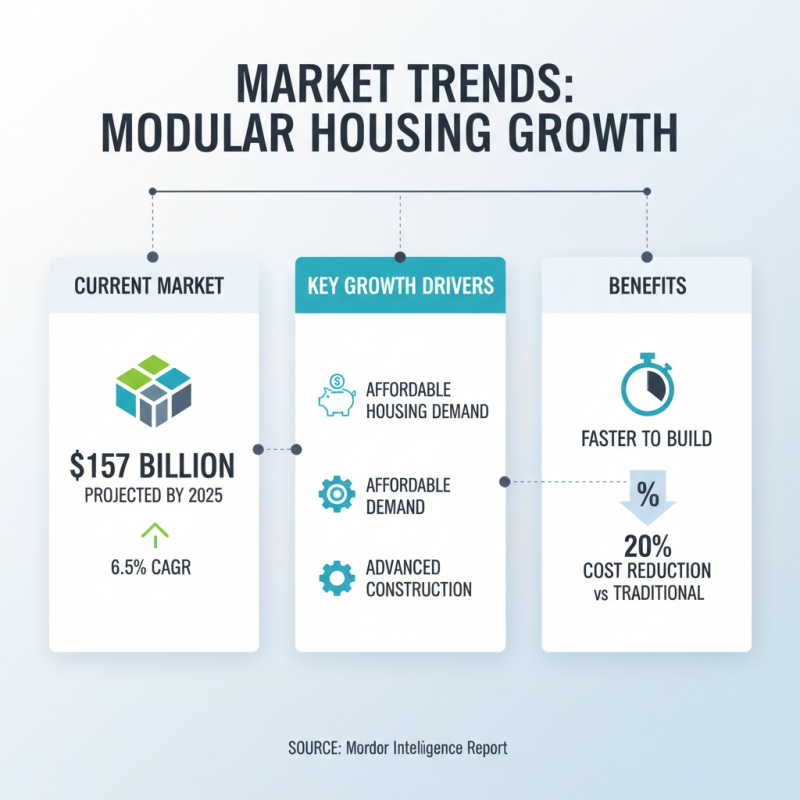
The modular housing market is showing significant growth. According to a report by Mordor Intelligence, the modular construction market is projected to reach $157 billion by 2025, growing at a CAGR of 6.5%. This growth is driven by increased demand for affordable housing and advancements in construction technology. Modular homes are not just faster to build but can also reduce costs by up to 20% compared to traditional building methods.
The rise of sustainability also influences this market trend. Many modular homes are designed with energy efficiency in mind. The Global Modular Construction Market Report highlights that green building certification is becoming a standard requirement in many regions. This aspect attracts environmentally conscious buyers. However, there are challenges too. Transportation costs for modular units can be high, and local zoning laws may complicate installation.
Moreover, while modular homes can be a solution to immediate housing shortages, they might not completely replace traditional housing. Some consumers still have reservations about quality and aesthetics. Reports indicate that around 50% of potential buyers remain skeptical about the long-term value of modular homes. The future of modular housing remains promising, yet it continues to evolve as the market adapts to consumer needs and perceptions.
Cost Analysis: Comparing Modular Container Homes to Traditional Housing
Modular container homes present an intriguing alternative to traditional housing. Their construction often incurs lower costs, making them attractive for many. A standard modular home can be assembled in weeks. In contrast, a traditional home may take months or even years to complete. This efficiency can lead to significant savings in labor and time.
When comparing costs, modular container homes often require less upfront investment. However, additional expenses might arise for land preparation and permits. Traditional homes may have hidden costs related to maintenance and utilities. Container homes are generally more energy-efficient, which can result in lower utility bills. Yet, insulation and temperature management are factors to consider.
Some critics question the long-term durability of container homes. They may not appreciate the unique aesthetics of a metal shell. Additionally, zoning laws can pose challenges for placement. Not every area will accept modular designs. These elements highlight the need to weigh benefits against potential drawbacks.
Sustainability Impact: Environmental Benefits of Modular Homes
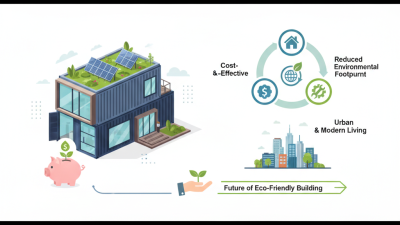
As the world faces pressing environmental challenges, modular container homes offer a sustainable alternative to traditional housing. These homes are crafted from re-purposed materials, significantly reducing waste. Using fewer resources during construction leads to a lower carbon footprint. The prefabrication process minimizes the energy needed in building.
Moreover, the energy efficiency of modular homes is commendable. Many designs incorporate modern insulation and efficient heating systems. These features help maintain comfortable indoor temperatures. Homeowners save on energy costs while enjoying a smaller environmental impact. However, reliance on a still-evolving supply chain may present challenges in ensuring sustainability.
While modular homes promise many benefits, they are not without drawbacks. Growing pains in production and quality control could lead to inconsistent outcomes. It’s crucial for potential buyers to research and choose reputable builders. The desire for stylish designs may sometimes overshadow practicality, risking sustainability goals. As this housing trend grows, a balance between aesthetics and ecological responsibility must be achieved.
Design Innovations: Exploring Customization and Space Efficiency in Modular Homes
Modular container homes are gaining traction for their innovative design and efficiency. Customization is a key feature, allowing homeowners to create unique living spaces. With modular designs, buyers can adjust layouts, choose finishes, and incorporate personal touches. These homes often utilize space creatively. A well-designed modular home can maximize functionality in small areas.
Design innovations focus heavily on space efficiency. Open floor plans create an illusion of larger areas. Smart storage solutions, such as foldable furniture, help keep spaces clutter-free. Many modular homes also include multi-purpose rooms. One room can serve as a bedroom by night and a workspace by day.
However, there are areas for improvement. The environmental impact of container sourcing remains a concern. Not all regions have access to skilled labor for assembly and installation. Some buyers may feel overwhelmed by customizing options. Finding balance between personalization and practicality is crucial. Emphasizing sustainable practices and addressing these shortcomings could enhance the appeal of modular homes.
Modular Container Homes: Key Features and Efficiency