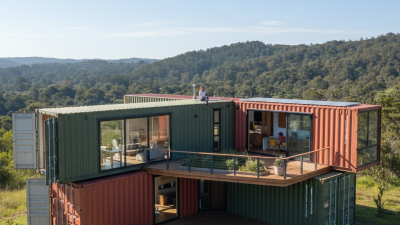
Are Prefab Box Homes the Best Choice for Modern Living?
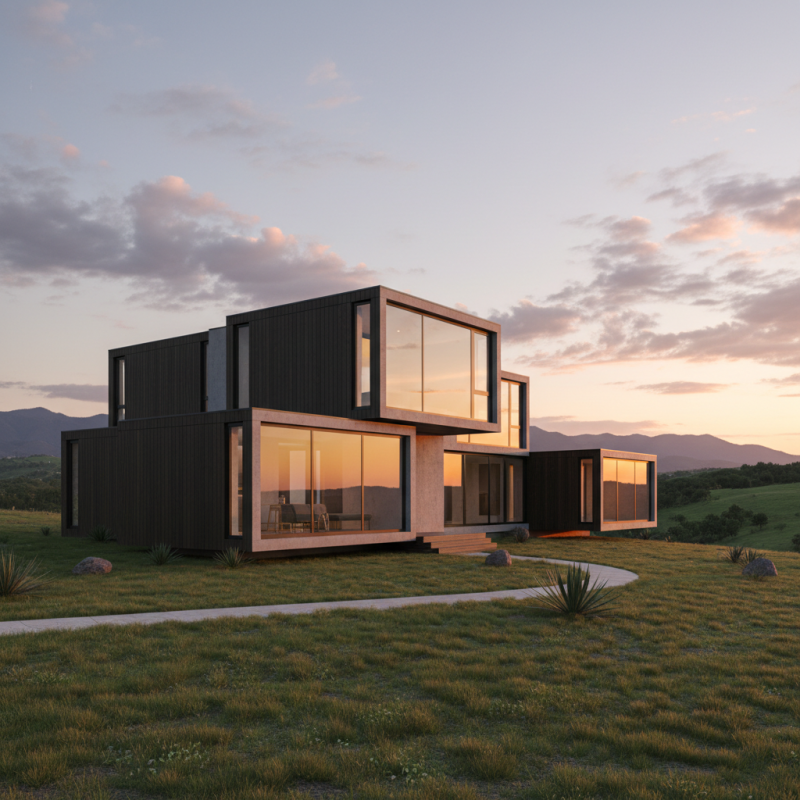
In recent years, prefab box homes have emerged as a strong contender in modern living solutions. Renowned architect Mia Johnson states, “Prefab box homes provide a unique blend of affordability and design flexibility.” This sentiment reflects a growing trend among homeowners seeking innovative housing options.
Prefab box homes offer a fresh take on traditional living spaces. They can be quickly assembled and customized to fit various lifestyles. However, challenges persist, such as energy efficiency and zoning restrictions. Homebuyers need to consider these factors carefully.
Many find the simplicity of prefab box homes attractive. Yet, some may worry about their long-term durability. As with any housing option, research is essential. Exploring both pros and cons will help buyers make informed decisions about their future homes.
Benefits of Prefab Box Homes in Modern Living
Prefab box homes are becoming increasingly popular in modern living. These homes offer quick assembly and design flexibility. A recent study by the National Association of Home Builders shows that prefab construction can reduce build time by up to 50%. This efficiency is appealing to many urban dwellers facing housing shortages.
Energy efficiency is another significant advantage. According to the U.S. Department of Energy, prefab homes can decrease energy consumption by as much as 30%. They often come with better insulation and energy-efficient systems. These features contribute to lower utility bills and a smaller carbon footprint. However, not all prefab homes are created equal. The quality of materials can vary greatly between manufacturers, leading to potential issues down the line.
Affordability also plays a key role. A report from Statista indicates that the average cost of a prefab home is about 10% lower than traditional homes. This makes it an attractive option for first-time buyers. Still, the resale value can be a concern. The market perception of prefab homes can sometimes lower their attractiveness in the long run. Balancing these factors is crucial for potential buyers.
Benefits of Prefab Box Homes
Sustainability and Environmental Impact of Prefab Box Homes
Prefab box homes are gaining attention for their potential to promote sustainability. Recent reports indicate that these homes can reduce construction waste by up to 90%. This is largely due to factory-based production, which enables better materials management compared to traditional construction sites. By minimizing waste, prefab homes can significantly lessen their environmental footprint.
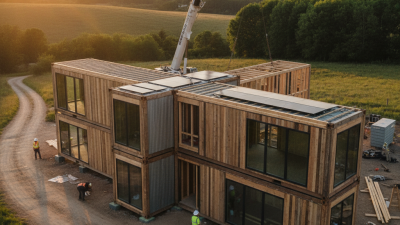
Moreover, prefab box homes utilize energy-efficient materials and design principles. Studies show they can achieve energy savings of 30-50% compared to standard homes. These homes often incorporate renewable energy options, such as solar panels, which further reduce reliance on fossil fuels. However, it’s essential to ensure that the manufacturing processes themselves are sustainable. Some factories still depend on nonrenewable energy sources, raising questions about the true environmental impact.
Water usage during the production phase also warrants attention. Reports suggest that some prefab homes can require significant amounts of water for material fabrication and assembly. While the potential for lower overall environmental impact exists, careful consideration of these factors is crucial. Sustainable living is a complex journey, and prefab box homes, though promising, must be part of a broader conversation about eco-friendly development.
Cost-Effectiveness of Prefab Box Homes Compared to Traditional Houses
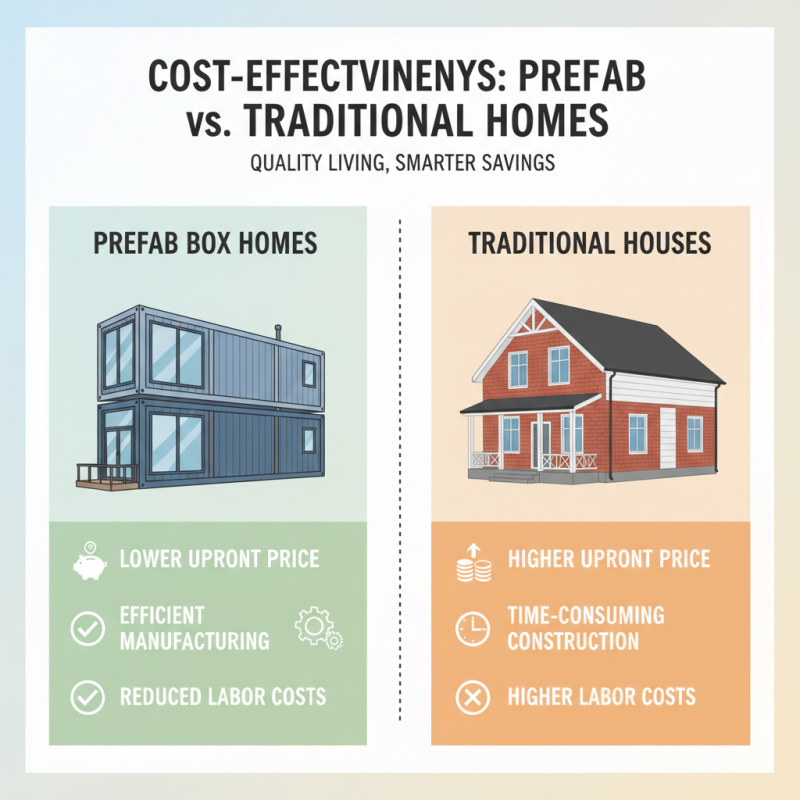
Prefab box homes have gained popularity due to their cost-effectiveness. These structures often come at a lower price than traditional houses. They utilize efficient manufacturing processes, reducing labor costs. Many families find they can save upfront expenses and still enjoy quality living spaces.
One striking feature of prefab homes is speed. These homes can be assembled quickly, sometimes in just a few weeks. However, not all prefab homes are created equal. Some designs may lack personalization, which can be a drawback for those seeking unique aesthetics. Potential homeowners must weigh quick build times against their desire for custom features.
Maintenance can also be an issue. While construction is efficient, some prefab materials may not be as durable as traditional ones. Over time, homeowners might face additional costs for repairs or upgrades. This reality prompts consideration of long-term expenses versus immediate savings. Families should evaluate their lifestyle needs and preferences when choosing between prefab and traditional options.
Challenges and Considerations in Choosing Prefab Box Homes
Prefab box homes offer distinct advantages, but they come with challenges that potential buyers should consider. One of the primary concerns is zoning regulations. Many local authorities have strict guidelines regarding structure types, which can limit where you can place a prefab home. According to recent industry reports, nearly 30% of prefab home buyers encounter zoning issues during the purchasing process. Before settling on a location, diligent research is essential.
Another significant factor is inspection and quality assurance. While prefab homes are manufactured under controlled conditions, not all manufacturers maintain the same standards. A study by the National Association of Home Builders highlights that approximately 15% of prefab homes face quality complaints within the first few years. Buyers should thoroughly vet manufacturers and look for certifications that ensure adherence to safety and quality standards.
**Tips:** Always check local zoning laws before buying. Understanding these regulations can save you time and money. Research various manufacturers to compare quality and customer feedback. Seek out reviews and reports on their homes. Consider hiring a home inspector to evaluate a prefab unit before making a commitment.
Are Prefab Box Homes the Best Choice for Modern Living? - Challenges and Considerations in Choosing Prefab Box Homes
| Feature |
Description |
Pros |
Cons |
| Cost Efficiency |
Prefab box homes are typically less expensive than traditional homes. |
Lower building costs and quick construction times. |
Initial setup costs can vary; additional expenses for land and utilities. |
| Customization |
Many prefab homes offer modular options for design and layout. |
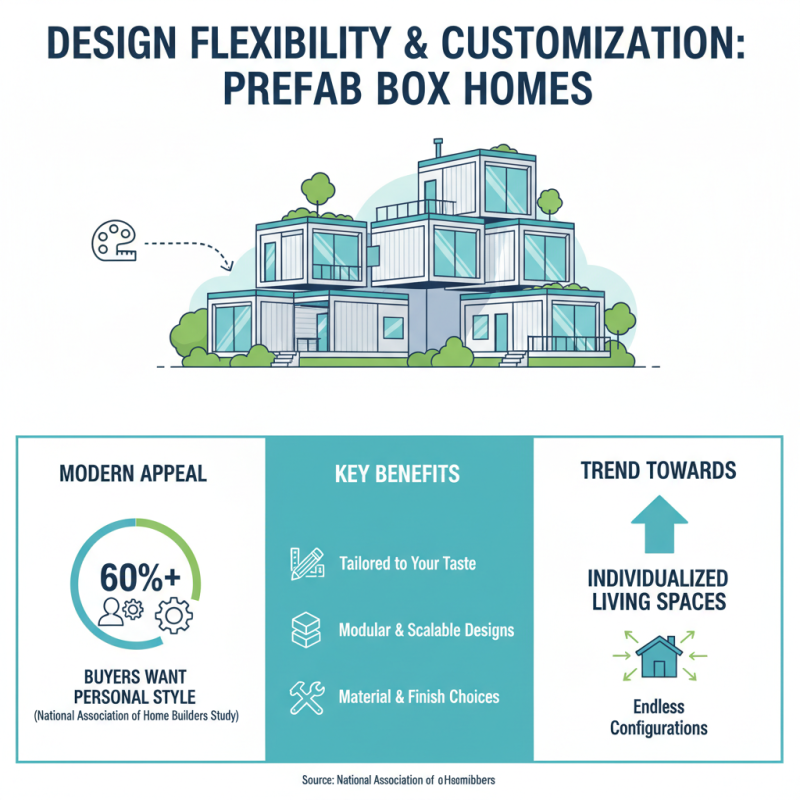
Flexibility in design; tailored to personal preferences. |
Some limitations on customization based on the manufacturer. |
| Sustainability |
Many prefab homes use sustainable materials and practices. |
Reduced environmental impact and energy-efficient designs. |
Not all prefab homes meet high sustainability standards. |
| Mobility |
Many box homes are designed to be transportable. |
Can move with changing life circumstances; good for temporary living situations. |
Permitting and zoning issues may arise; moving can be costly. |
| Quality Control |
Built in controlled factory environments for consistent quality. |
Less risk of weather-related construction delays; often built to high standards. |
Quality can vary significantly between manufacturers. |