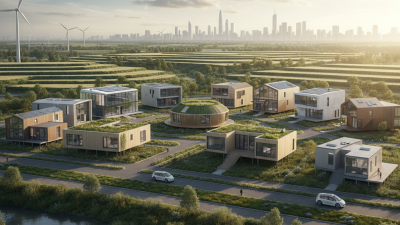
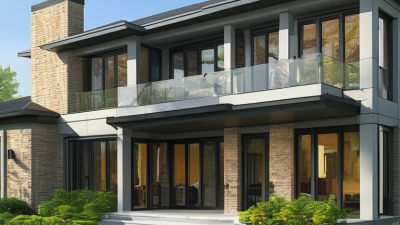
Why Choose Prefab Box Homes for Sustainable Living?
In the quest for sustainable living, prefab box homes are gaining attention. These homes are not only efficient but also environmentally friendly. Renowned architect Sarah Johnson, a leader in sustainable housing, emphasizes the advantages. She states, "Prefab box homes can transform how we think about living spaces and sustainability."
These homes minimize waste during construction. They utilize eco-friendly materials, which help reduce the overall carbon footprint. Prefab box homes can often be built in less time compared to traditional houses, which is a significant benefit. However, there are challenges. Not every locality is ready for such innovations, and zoning issues can arise.
Additionally, while prefab homes are cost-effective, they may not offer the same customization as traditional homes. This can lead to a feeling of sameness in design. Nonetheless, the movement towards prefab box homes reflects a growing desire for sustainable living solutions that are both practical and innovative.
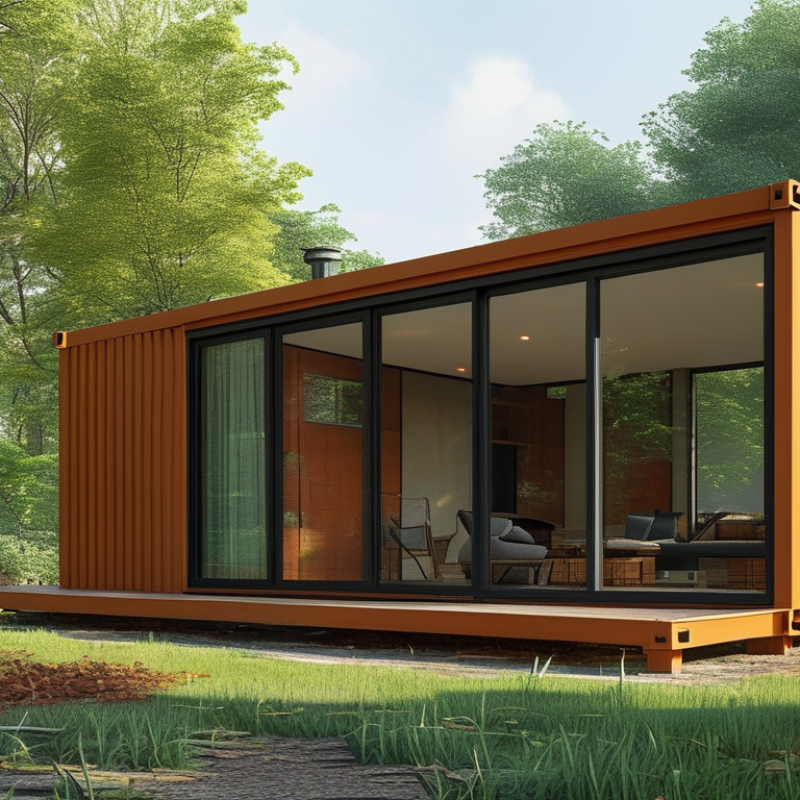
Advantages of Prefab Box Homes in Sustainable Living
Prefab box homes are becoming a popular choice for sustainable living. They offer numerous advantages that align with eco-friendly principles. These homes are often constructed with recyclable materials, minimizing waste and reducing the carbon footprint. A report from the National Association of Home Builders notes that modular homes can reduce energy consumption by up to 15% compared to traditional builds. This efficiency is crucial as we strive to combat climate change.
In terms of design flexibility, prefab box homes allow for efficient use of space. Homeowners can choose layouts that best suit their needs, promoting a minimalist lifestyle. The efficient assembly process also reduces construction time, typically by 30-50%. This aspect is particularly compelling in urban areas where time and space are scarce. However, there can be limitations in customization, which might not fit everyone's preferences.
Moreover, many prefab homes incorporate renewable energy systems. Solar panels and energy-efficient appliances can be integrated easily during the build. A study by the National Renewable Energy Laboratory highlights that homes with such systems can reduce electricity costs by 50% or more. Yet, the initial investment may deter some buyers, reflecting a balance between long-term savings and upfront costs. This consideration is essential for those evaluating the benefits of sustainable living through prefab homes.
Why Choose Prefab Box Homes for Sustainable Living? - Advantages of Prefab Box Homes in Sustainable Living
| Advantage |
Description |
Environmental Impact |
Cost Efficiency |
| Energy Efficiency |
Designed to utilize energy efficiently, reducing utility costs. |
Lower carbon footprint due to reduced energy consumption. |
Savings on power bills can offset initial investments. |
| Sustainability |
Built using sustainable materials and practices. |
Promotes responsible use of natural resources. |
Potential government incentives for sustainable housing. |
| Flexibility |
Modular design allows for easy expansions or adjustments. |
Adapts to changing environmental conditions and needs. |
Reduces the cost of future renovations. |
| Quick Construction |
Fast assembly compared to traditional homes. |
Minimizes construction waste and site disruption. |
Less time investment means lower labor costs. |
| Reduced Waste |
Off-site construction leads to less material waste. |
Conserves resources and reduces landfill contributions. |
Efficient use of materials can lead to lower overall costs. |
Components of Prefab Box Homes that Promote Sustainability
Prefab box homes are gaining traction for their sustainability. They integrate materials and designs that significantly reduce carbon footprints. According to the U.S. Department of Energy, using prefabricated components can cut construction waste by 60%. This process minimizes transportation emissions and utilizes resources more effectively.
Energy efficiency is a core component. Many prefab homes feature advanced insulation. This keeps heating and cooling needs down, leading to lower energy bills. The National Renewable Energy Laboratory reports that improved insulation can save up to 30% on energy costs. Additionally, some designs incorporate solar panels, tapping into renewable energy sources directly.
The use of recycled materials enhances sustainability. Many prefab homes utilize pre-consumer waste and reclaimed resources. This practice not only reduces the demand for new materials but also promotes a circular economy. However, it's important to assess the quality and longevity of these materials. Not all recycled products meet the same standards, which can be a concern for future homeowners.
Energy Efficiency Features of Prefab Box Homes Explained
Prefab box homes are gaining traction as a sustainable living option. Energy efficiency is a standout feature of these homes. According to the U.S. Department of Energy, well-designed prefab homes can use up to 60% less energy than traditional homes. They achieve this by utilizing high-performance insulation, energy-efficient windows, and smart home technology.
The integration of solar panels is another significant advantage. Research indicates that homes with solar setups can reduce utility bills by up to 75%. These homes often include energy monitoring systems, allowing residents to track and reduce consumption effectively. Prefab homes also embrace sustainable materials, often sourced locally to minimize transportation emissions.
One area of concern is the initial investment. While costs can be higher upfront, the long-term savings on energy bills can be significant. It’s essential to weigh these factors carefully. Additionally, not all prefab homes are created equal; some may lack the expected energy efficiency features. Always conduct thorough research to understand what energy-saving features are included.
Choosing energy-efficient, prefab box homes promotes sustainable living. This approach not only benefits the environment but also enhances individual lifestyles.
Cost-Effectiveness of Prefab Box Homes for Eco-Friendly Living
Prefab box homes are gaining traction for their cost-effectiveness, especially in eco-friendly living. According to a report by the Global Modular Construction Market, the prefab sector is projected to grow by 6.5% annually. This growth reflects a rising interest in sustainable construction methods that reduce waste and energy consumption. Prefab homes typically use pre-made sections, which minimizes material waste by 30% compared to traditional building methods.
Additionally, the initial investment in prefab homes is often lower. A study published by the National Association of Home Builders found that building a prefab home can save homeowners up to 15% in construction costs. These homes are also designed for energy efficiency. Many models come equipped with solar panels and energy-efficient appliances, further lowering utility expenses over time.
However, potential homeowners should reflect on the trade-offs. While the cost savings are appealing, the availability of customizable options may be limited. Some may find this lack of personalization challenging. Understanding local zoning laws is also vital, as they can impact where these homes can be placed. Ultimately, while prefab box homes offer a viable path to sustainable living, it requires careful consideration of individual priorities and community regulations.
Design Flexibility and Customization in Prefab Box Homes
Prefab box homes offer remarkable design flexibility and customization options. Each unit can be tailored to fit a unique vision. Whether it’s a small studio or a multi-bedroom house, these homes adapt to your lifestyle. From layout adjustments to eco-friendly materials, the options are extensive. You can also choose colors, finishes, and fixtures that reflect personal style.
Creating a prefab box home can be an engaging process. Collaboration with designers allows for innovation. However, it may also feel overwhelming. The choices can lead to decision fatigue. Striking a balance between aesthetics and functionality is crucial. What works for one person's needs may not fit another's. Taking time to reflect on your priorities will help create a space that truly feels like home.
Prefab homes also encourage sustainable living through their design. Customization can include energy-efficient appliances and renewable resources. Yet, some may find the initial sustainability claims challenging to verify. It’s essential to research and understand the impacts of materials used. Assessing long-term benefits versus short-term gains poses a unique challenge for many. The journey toward a sustainable lifestyle starts with informed choices.
Why Choose Prefab Box Homes for Sustainable Living?
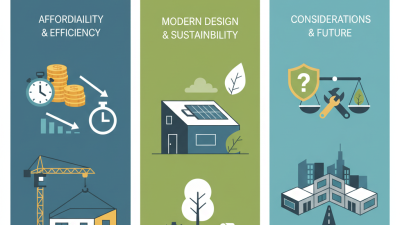
This chart illustrates the benefits of choosing prefab box homes, focusing on design flexibility and customization options. The data reflects various aspects that contribute to the appeal and sustainability of prefab homes.