What is a Prefab Townhouse and How Does It Work?
The concept of a prefab townhouse has gained significant traction in recent years. According to a report from Allied Market Research, the prefab housing market is expected to reach $162 billion by 2025. This growth is driven by the rising demand for affordable housing options. A prefab townhouse is a home built using factory-manufactured units that are assembled on-site. This method reduces construction time and cost while maintaining quality.
Expert architect Sarah Johnson, a leader in the prefab housing industry, emphasizes, "Prefab townhouses offer a sustainable solution to urban housing shortages." Her insights highlight the efficiency and eco-friendliness of prefab designs. However, challenges remain. Issues regarding financing and local regulations often hinder their wide adoption. The manufacturing process may still lack the personal touch found in traditional homes, leading some to question the quality of materials used.
As modern urban landscapes evolve, the debate around prefab townhouses continues. The blend of speed and sustainability presents clear benefits, but potential homeowners must weigh these against their desires for individuality and craftsmanship.
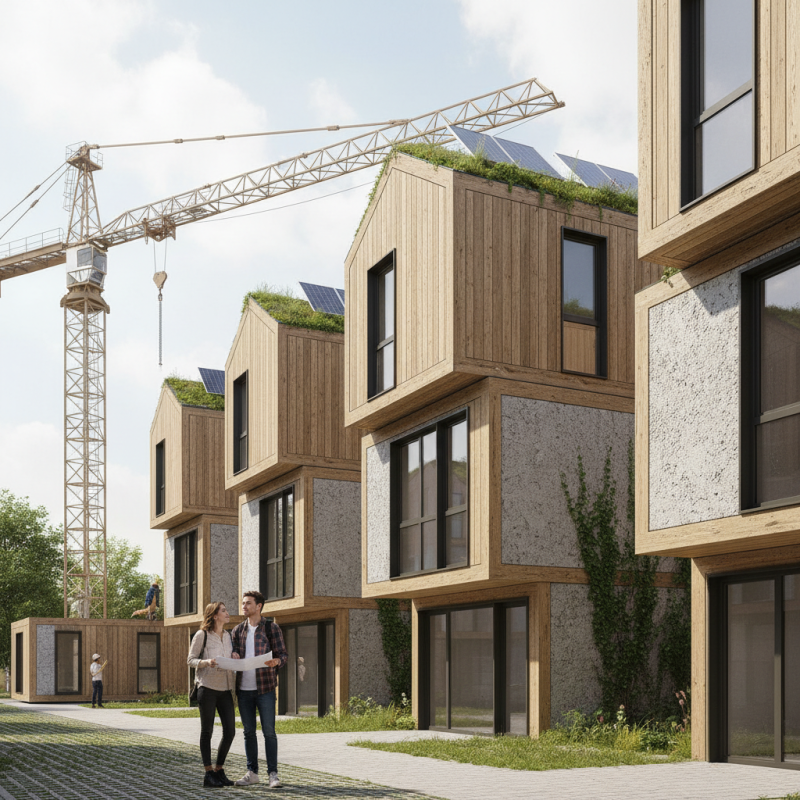
What is a Prefab Townhouse? Definition and Overview
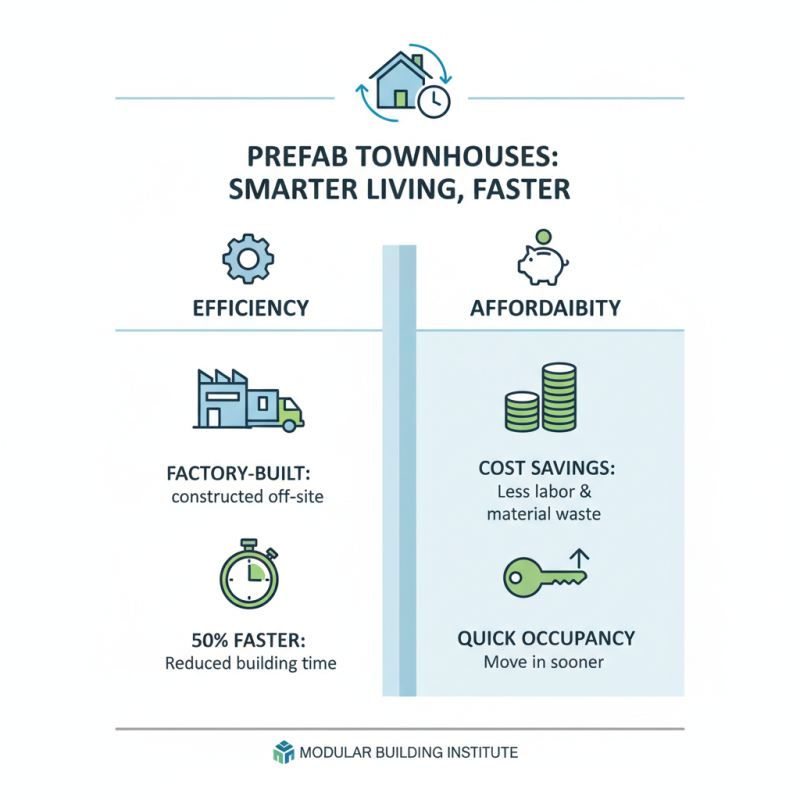
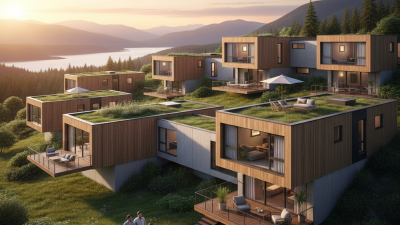
Prefab townhouses are a modern housing solution, delivering both efficiency and affordability. These homes are constructed in factories before being transported to the site. According to the Modular Building Institute, prefab construction can reduce building time by up to 50%. This speed is appealing to many buyers seeking quick occupancy.
Prefab townhouses come with various benefits. They often utilize sustainable materials, reducing the overall carbon footprint. The National Association of Home Builders reports that over 70% of homeowners appreciate the energy-efficient features of prefab homes. However, potential buyers should consider location and zoning laws, as these factors can impact where prefab houses can be placed.
While prefab townhouses are a revolutionary approach, challenges remain. Some regions lack the infrastructure for easy transportation. Additionally, the perception of prefab homes as lower quality can deter some buyers. Continuing education about the real advantages of this type of housing is crucial for industry growth.
The History of Prefabricated Housing in the United States
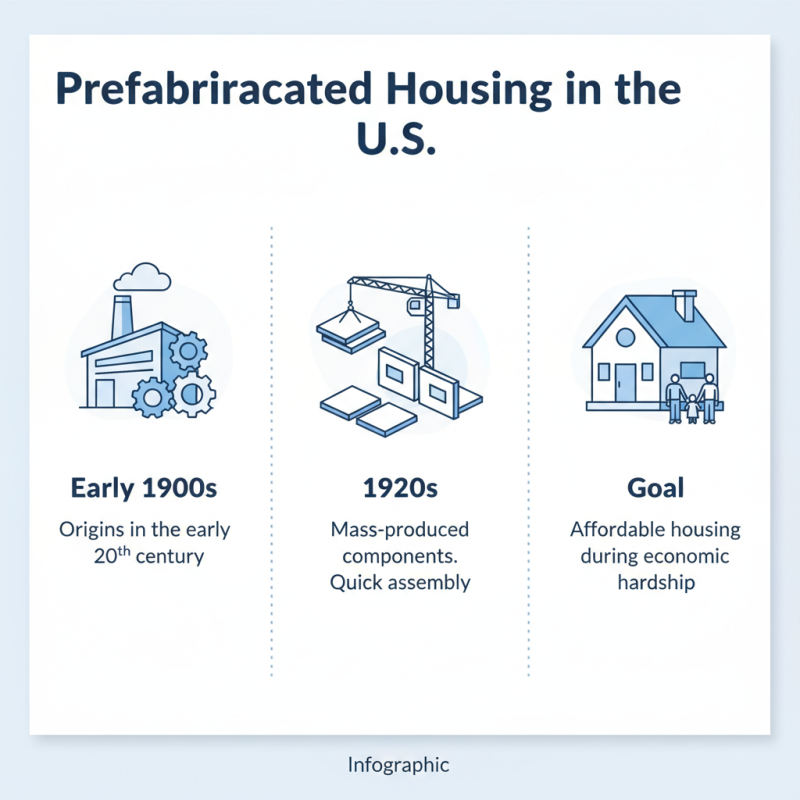
The history of prefabricated housing in the United States dates back to the early 20th century. In the 1920s, companies began producing mass-produced components. These components allowed houses to be assembled quickly and efficiently. The goal was to provide affordable housing during economic hardships.
By the post-World War II era, prefabricated homes gained popularity. The demand for housing surged as returning veterans sought homes. Research from the Joint Center for Housing Studies shows that prefabricated homes accounted for 28% of new single-family homes built by 1950. Yet, these homes faced stigma as "temporary" solutions rather than lasting investments.
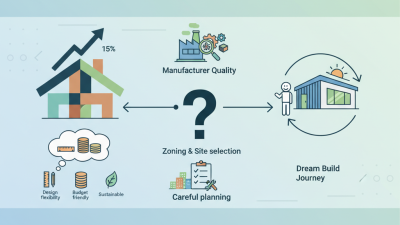
Tips: When considering a prefab townhouse, research local zoning laws. Some areas have strict regulations. A thorough understanding can save you time and money.
The 1970s energy crisis shifted the market again. People sought sustainable, energy-efficient options. Prefab construction has evolved, with today’s homes boasting modern designs. Materials are often eco-friendly, appealing to a new generation of buyers. However, it’s crucial to reflect on the potential downsides. Quality and durability can vary, requiring careful vetting of manufacturers.
Key Components and Materials Used in Prefab Townhouse Construction
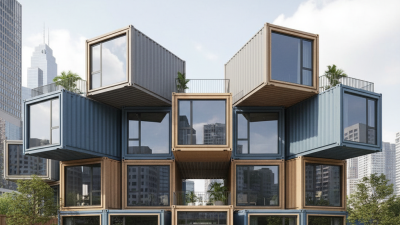
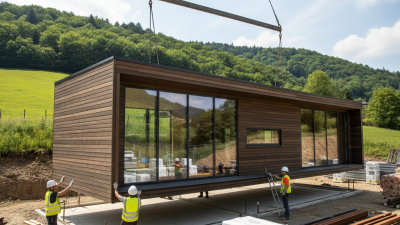
Prefab townhouses are gaining popularity due to their efficiency and versatility. The construction process relies on specific components and materials that make these homes distinct. Typically, they use prefabricated panels made from wood or metal. These panels are manufactured in a controlled environment, ensuring better quality control. Once completed, they are transported to the site for quick assembly.
In addition to panels, insulation materials play a crucial role in energy efficiency. Common choices include spray foam and fiberglass. These materials help reduce energy costs and enhance comfort. The exterior finishes can vary widely, from vinyl siding to wooden cladding, allowing for unique aesthetics.
Tip: Always research local building codes. Consider how prefab designs align with architectural standards in your area. Make sure your choice complements the surrounding environment.
Cost is another factor. While prefab townhouses can save time and labor costs, unexpected expenses may arise. Shipping fees for oversized panels can add up. Be prepared for contingencies during the building process.
Tip: Keep a budget cushion for surprises. Building a prefab townhouse should be a smooth process, but it's wise to plan for the unexpected.
Advantages of Prefab Townhouses: Cost, Speed, and Sustainability
Prefab townhouses are gaining traction due to their advantages in cost, speed, and sustainability. These homes are pre-manufactured in sections, significantly reducing construction time. According to industry reports, prefab houses can be built up to 50% faster than traditional builds. This rapid construction meets the increasing demand for housing while minimizing labor costs.
Cost-effectiveness is another crucial benefit. A well-known study indicates that homeowners can save 10-20% on construction costs with prefab townhouses compared to traditional homes. This is especially beneficial in regions with tight housing markets. However, it’s essential to review the longevity and quality of materials used in prefab construction. Not all prefab options are created equal. Some may compromise on design flexibility and custom features, which can lead to buyer regrets.
Tips: Before deciding, assess the local zoning laws. Understand the requirements for placing a prefab home in your area. Additionally, seek out reputable manufacturers. Not all companies have the same standards of craftsmanship. Researching reviews and client experiences can help avoid pitfalls. Choosing the right prefab townhouse is key to a sustainable investment.
Current Market Trends and Statistics in the Prefab Housing Industry
The prefab housing industry is experiencing significant growth. According to recent statistics, the market is expected to reach $121 billion by 2026, expanding at a compound annual growth rate of 6.1%. This escalating demand stems from various factors, such as affordability and sustainability. In fact, 70% of consumers are drawn to prefab homes due to their cost-effective nature.
There are some key trends to watch. Eco-friendly designs and energy-efficient materials dominate the current market. Many buyers prefer houses that reduce carbon footprints. Increasingly, modular homes offer smart technology features that appeal to younger demographics. However, the assimilation of modern technology can sometimes compromise craftsmanship, leading to potential quality concerns.
Tips: Look for builders who prioritize quality control. Research customer reviews to find potential red flags. Additionally, understanding local zoning laws is essential. These factors can significantly impact your prefab home experience. Be cautious of overly ambitious timelines, as construction delays are common. Remember that perfection may not exist in every unit.