Are Prefabricated Modular Buildings the Future of Construction?
Prefabricated modular buildings are gaining attention in the construction industry. These structures promise efficiency, sustainability, and cost-effectiveness. However, their rise raises questions about traditional building practices.
Experts suggest that prefabricated modular buildings can shorten project timelines significantly. They simplify the construction process by assembling components off-site. Yet, reliance on technology can lead to concerns about quality control.
Some architects and builders are skeptical. They worry that hastiness might compromise design integrity. Embracing prefabricated modular buildings requires a shift in mindset. It challenges long-standing construction norms. Balancing innovation with tradition may not be easy, but the potential benefits are evident.
Overview of Prefabricated Modular Buildings
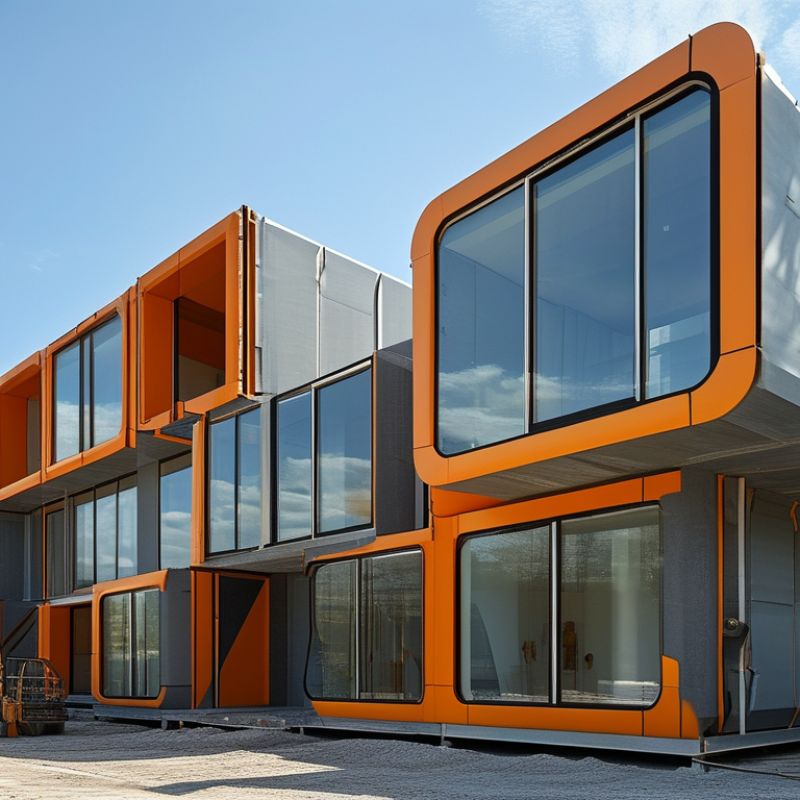
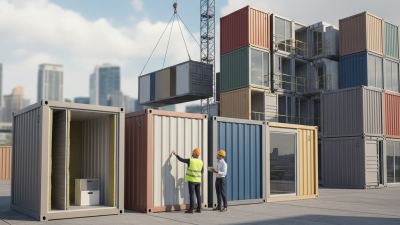
Prefabricated modular buildings are gaining popularity in construction. These structures are manufactured off-site, allowing for quicker assembly on location. This method can reduce labor costs and construction time significantly. Due to their design flexibility, these buildings can adapt to various needs, from residential homes to commercial spaces.
Tips: When considering modular construction, research local regulations. Some areas may have specific building codes. Collaborating with expert architects can optimize the design process and ensure safety compliance.
Despite the advantages, challenges remain. Not all designs can be easily prefabricated. Site-specific considerations and transport limitations may hinder certain projects. Additionally, the perception of modular buildings as temporary structures poses a challenge for some clients.
Tips: Understand the potential for customization. Modular buildings can be more than just basic structures. Engage with builders who prioritize quality and sustainability in their materials and processes.
Historical Development of Modular Construction Techniques
Modular construction has roots dating back to the early 20th century. It emerged prominently during World War II when there was a high demand for rapid housing. Factories produced pre-assembled units for soldiers returning from war. This method allowed for quick assembly, with homes being ready in a fraction of the time required for conventional builds. Alongside speed, these early modular homes offered affordability and access to housing.
In the 1960s, modular construction expanded to include commercial buildings and schools. Reports show that modular construction can reduce waste by up to 90% compared to traditional methods. The International Modular Building Institute highlights this efficiency, noting that modular buildings can be completed 30% faster than their stick-built counterparts. However, challenges remain, such as zoning regulations and the perception of lower quality. These aspects can hinder growth in some markets.
Today, modular buildings are not merely temporary solutions but viable, long-lasting options. They are increasingly seen in diverse applications, from hotels to healthcare facilities. According to recent industry reports, the modular construction market is expected to reach $157 billion by 2023. Despite this growth, misconceptions persist. The narrative surrounding modular construction needs to evolve to reflect its advancements and sustainability potential. Without addressing these issues, the industry might struggle to gain broader acceptance.
Advantages of Prefabricated Modular Buildings
Prefabricated modular buildings are changing construction. They offer several advantages that appeal to homeowners and developers alike. One key benefit is faster construction time. Components are built off-site, which allows for simultaneous site preparation. This efficiency can reduce overall build time significantly.
Additionally, modular buildings are environmentally friendly. They generate less waste compared to traditional methods. Materials can be reused, and energy-efficient designs are common. However, buyers should consider local regulations and zoning issues, which can complicate the installation process.
Cost savings are another advantage. Prefabricated buildings typically have lower labor costs due to streamlined assembly. This can attract budget-conscious projects. Nonetheless, some may question durability and quality. Not all modular designs have the same standards. It’s crucial to research and choose reliable manufacturers.
Are Prefabricated Modular Buildings the Future of Construction? - Advantages of Prefabricated Modular Buildings
| Feature |
Traditional Construction |
Prefabricated Modular Buildings |
| Construction Time |
6-12 months |
3-6 months |
| Waste Production |
High |
Low |
| Energy Efficiency |
Average |
High |
| Customization Options |
Limited |
High |
| Cost Efficiency |
Higher Project Costs |
Reduced Costs |
| Labor Requirement |
Higher |
Lower |
Challenges and Limitations in Modular Building Adoption
Modular buildings are gaining traction in the construction industry. However, challenges hinder their widespread adoption. One major issue is the perception of quality. Many people believe these structures lack durability. This misconception can make potential buyers hesitant.
Another barrier is the limited design flexibility. Modular buildings often come with predefined designs. Customization can be challenging, which may not meet every client’s vision. Furthermore, transport logistics can complicate matters. Moving large modules requires careful planning. Costs can escalate quickly, impacting project budgets.
Tips for overcoming these challenges include thorough research. Understanding modular options can help make informed decisions. Working closely with experienced architects can enhance customization possibilities. Engaging with local regulators early in the process may alleviate permit issues. Being proactive can ease the transition to modular construction. Consider modular buildings' long-term benefits despite the present hurdles. Embracing this innovative approach may reshape the industry's future.
Future Trends and Innovations in Modular Construction
The evolution of modular construction is reshaping the building industry. Prefabricated modular buildings are gaining traction due to rising urbanization and housing demands. According to recent data, the global modular construction market is projected to exceed $130 billion by 2025, reflecting an annual growth rate of over 6%. This trend indicates a shift towards faster, more efficient building methods.
Innovative techniques such as 3D printing and automated assembly are revolutionizing how modular units are produced. By using advanced materials and off-site assembly, construction times can be reduced significantly. Reports also suggest that modular buildings can save up to 30% on labor costs compared to traditional methods. However, the industry faces challenges. Issues such as zoning regulations and public perception can hinder progress.
Sustainability is another key trend. Modular buildings offer improved energy efficiency and reduced waste. A study indicated that modular construction can decrease waste by 60% compared to conventional methods. Yet, many construction professionals remain skeptical about long-term durability. This ongoing debate reflects a need for further research and innovation within the sector.