What is a prefabricated steel home and its benefits?
In recent years, prefabricated steel homes have gained popularity for their efficiency and durability. According to industry expert Mark Thompson, "Prefabricated steel homes provide unmatched resilience and energy efficiency." This statement underscores the growing interest in sustainable living solutions.
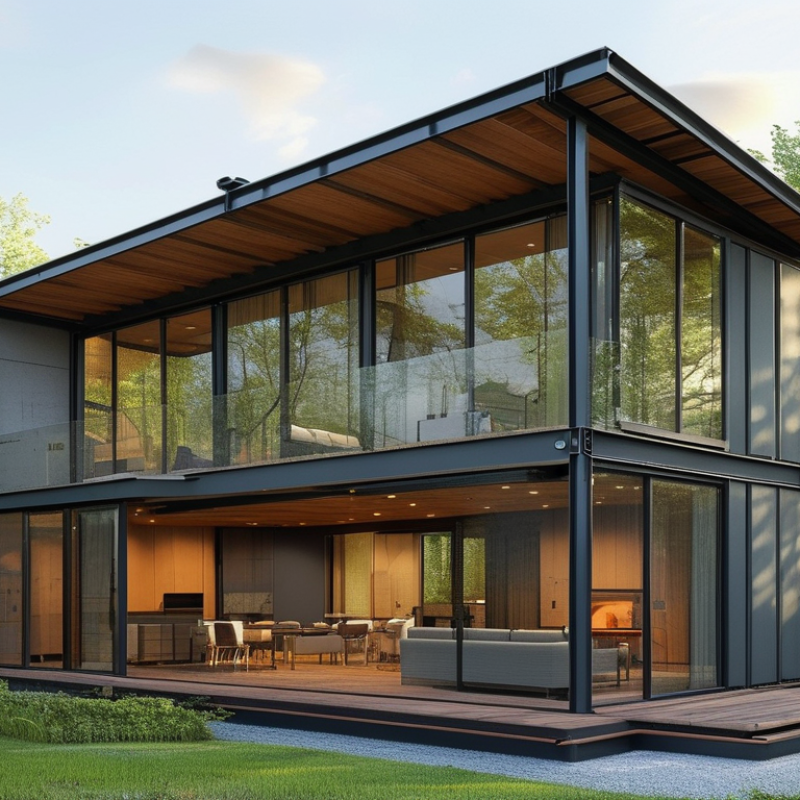
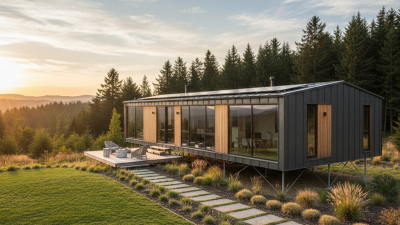
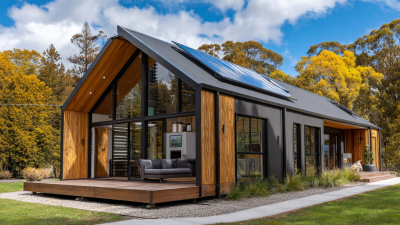
Prefabricated steel homes are constructed off-site and assembled on location. This process reduces waste and construction time. They offer a modern aesthetic while ensuring long-term reliability. Homebuyers appreciate the variety of designs available. Options range from minimalist styles to elaborate configurations.
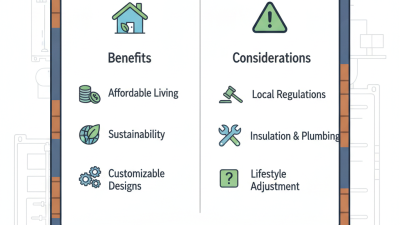
Though appealing, there are challenges. Some may worry about insulation and noise levels. The initial investment can also be higher than traditional homes. Potential homeowners must weigh these factors carefully. Overall, prefabricated steel homes present a forward-thinking alternative in the housing market.
What is a Prefabricated Steel Home?
A prefabricated steel home is a dwelling constructed using steel components that are manufactured off-site. These components are then transported to the building location for assembly. This approach allows for quicker construction compared to traditional building methods. Prefabricated homes often feature custom designs, enabling homeowners to personalize their spaces.
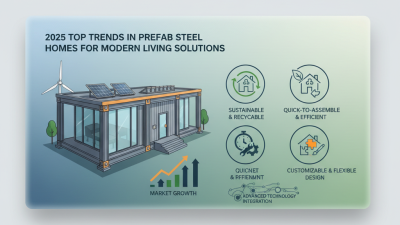
One key advantage of steel homes is their durability. Steel frames resist rot, pests, and environmental impact, leading to a longer lifespan. Moreover, steel is highly recyclable, making it an environmentally friendly choice. However, there are challenges. Buyers may face limited options in design due to standardization in prefabricated units. Some might find the appearance of steel unappealing, which can deter traditional homebuyers.
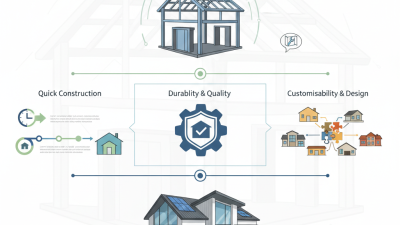
Cost efficiency is another benefit. Prefabricated homes generally require less labor during construction. This can lead to savings in the overall project budget. However, local land costs and zoning regulations can complicate matters. It’s essential to thoroughly research local requirements before beginning a project. Consideration of these factors can lead to a successful and sustainable living environment.
Benefits of Prefabricated Steel Homes
This bar chart illustrates the various benefits of prefabricated steel homes rated on a scale from 1 to 10. They are known for their cost-effectiveness, speed of construction, durability, energy efficiency, and low maintenance, making them a popular choice among modern homeowners.
Key Features of Prefabricated Steel Homes
Prefabricated steel homes are gaining popularity in the housing market due to their unique features. One of the key aspects is their rapid construction time. According to the National Association of Home Builders, prefabricated homes can be completed 30% quicker than traditional homes. This speed can significantly reduce labor costs and minimize project delays.
Another notable feature is their durability. Steel is resistant to rot, pests, and extreme weather. This resilience leads to lower maintenance costs over time. A study by the American Iron and Steel Institute indicated that steel structures can last up to 50 years longer than wooden counterparts. This durability is vital in regions prone to natural disasters.
Energy efficiency is another advantage. Prefabricated steel homes often incorporate superior insulation, which can reduce energy consumption by 30%. However, the initial investment can be higher than traditional homes. Many buyers need to weigh this upfront cost against long-term savings. Additionally, the aesthetics of steel can be a concern for some homeowners, posing a challenge for designers. Balancing these elements is an ongoing process in the industry.
Benefits of Living in a Prefabricated Steel Home
Prefabricated steel homes are gaining traction due to their numerous advantages. One primary benefit is durability. Steel structures can withstand severe weather conditions. According to a report by the American Institute of Steel Construction, steel buildings last longer and require less maintenance. This not only saves money over time but also provides peace of mind.
Another key advantage is energy efficiency. Prefabricated steel homes often incorporate advanced insulation techniques. The U.S. Department of Energy highlights that well-insulated homes reduce energy bills significantly. They can consume up to 30% less energy compared to traditional homes. This energy saving translates into lower utility costs for families.
**Tip:** Consider the layout and size during your planning phase. Finding the right balance can enhance your living space.
Flexibility in design is another noteworthy factor. Homeowners can customize layouts to fit their needs. Whether you need a home office or extra storage, prefabricated steel homes allow for easy modifications. Notably, a study by the Modular Building Institute indicates that customization options increase homeowner satisfaction significantly.
**Tip:** Research local building codes to avoid potential issues. Compliance ensures a smooth construction process.
Environmental Impact of Prefabricated Steel Construction
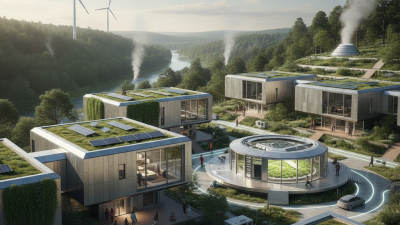
Prefabricated steel construction is a growing trend in sustainable building practices. This method offers significant environmental benefits. Steel is recyclable, which minimizes waste. The production process of steel can be efficient, reducing carbon emissions compared to traditional materials like concrete or wood. These factors significantly lessen the overall ecological footprint of a building.
However, there are challenges to consider. Transporting prefabricated components can lead to increased energy consumption. Local sourcing is essential to mitigate this impact. It’s also worth noting that manufacturing steel involves resource-intensive processes that emit greenhouse gases. Despite these concerns, the long lifespan of steel structures can offset initial environmental costs over time.
When using prefabricated steel homes, there’s a balance to strike. While the materials can lessen construction waste, careful planning is crucial to maximize sustainability. Collaborating with builders who prioritize eco-friendly methods strengthens these efforts. As more people embrace this building technique, the potential for reducing environmental harm increases. It's an evolving field that invites ongoing reflection and adaptation.
Comparing Prefabricated Steel Homes to Traditional Homes
Prefabricated steel homes are gaining popularity for their modern design and durability. They are manufactured offsite and assembled on location. This process significantly reduces construction time compared to traditional homes. In addition, these homes are often built with sustainability in mind, using materials that can be recycled or repurposed.
When comparing prefabricated steel homes to traditional homes, cost efficiency stands out. Steel houses can save homeowners money on energy bills due to better insulation. However, some individuals may find the aesthetic of steel less appealing than classic wood finishes. This preference can influence their home choice.
Tips: Consider your local climate when choosing a home style. Steel can withstand harsh weather but may not suit every environment. Additionally, think about the long-term maintenance needs. Steel homes can require different care compared to traditional materials. Evaluating these factors will help ensure your choice aligns with your lifestyle.