How to Source Custom Private Label Shoes for Your Business?
Sourcing Custom Private Label Shoes can be a transformative step for your business. This niche market offers unique branding opportunities. However, diving into this venture can feel daunting.
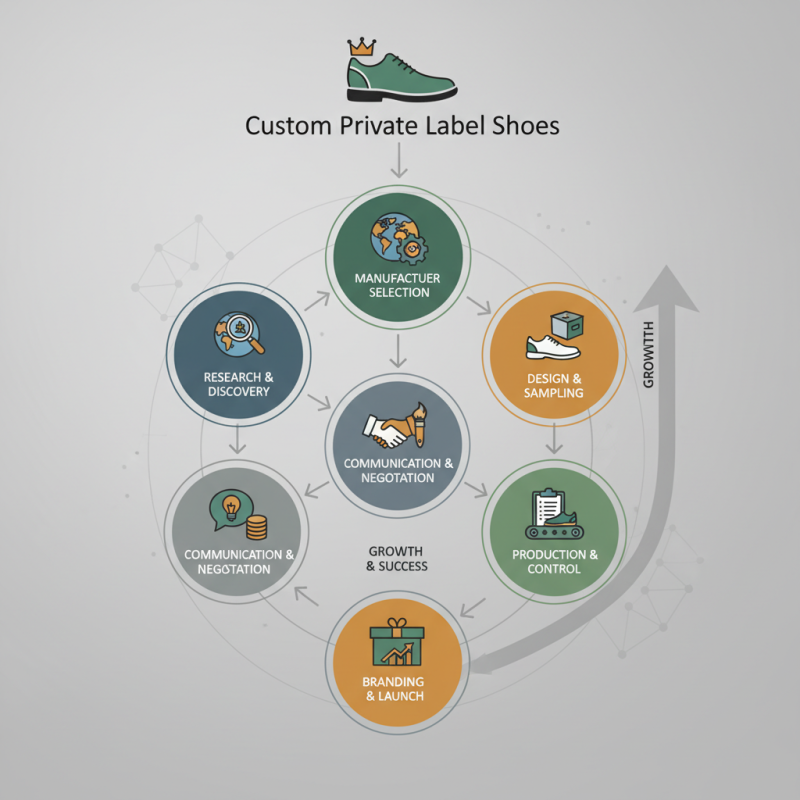
Finding the right manufacturers is crucial. Ideally, you want high-quality products that reflect your brand’s identity. Communication with manufacturers can be tricky. Clear expectations often lead to better results. Building relationships can take time, but the payoff is significant.
Research is essential before making commitments. Not all suppliers are equal. Some may promise the world but deliver poorly. Understanding market trends can also inform your choices. This journey requires patience and persistent effort. Yet, the potential for growth makes it worthwhile. Embrace the challenges; they can guide your business to success.
Understanding the Private Label Footwear Market: Trends and Opportunities
The private label footwear market has been experiencing substantial growth. According to a recent report by Grand View Research, the global market is expected to reach $431 billion by 2026, expanding at a CAGR of 5.5%. This growth is driven by the increasing demand for customizable products. Consumers want unique shoes that reflect their personal style.
Current trends indicate a shift towards sustainable materials. Brands that incorporate eco-friendly practices are seeing a rise in consumer interest. Business owners must pay attention to these trends, as ignoring them could mean losing market share. The demand for comfort and functionality continues to dominate. Shoes that offer both style and practicality are in high demand.
However, sourcing private label shoes can have its challenges. Many businesses struggle with quality control and sourcing reliable suppliers. A lack of transparency in the supply chain can lead to issues. It’s crucial for brands to establish strong relationships with manufacturers. Quality products inspire customer loyalty. Investing time in supplier vetting can pay off. By ensuring reliable quality, businesses can build a positive reputation in this competitive market.
How to Source Custom Private Label Shoes for Your Business?
| Trend | Opportunity | Market Size (2023) | Growth Rate | Target Demographic |
| Sustainable Materials | Eco-conscious consumers | $10 billion | 8% CAGR | Millennials & Gen Z |
| Customization Options | Personalized customer experiences | $5 billion | 10% CAGR | Fashion Enthusiasts |
| E-Commerce Growth | Online shopping convenience | $15 billion | 12% CAGR | Broad Audience |
| Athleisure Trend | Casual lifestyle market | $20 billion | 9% CAGR | Health-conscious Consumers |
| Digital Marketing | Engaging targeted promotions | $7 billion | 15% CAGR | Young Adults |
Identifying Reliable Manufacturers for Custom Shoe Production
Finding reliable manufacturers for custom private label shoes is crucial for your business. Research shows that about 80% of successful brands prioritize supplier relationships. Start by exploring trade platforms. Websites like Alibaba or Global Sources can help you identify potential manufacturers. Look for suppliers with verified ratings. Check for industry certifications like ISO and compliance with safety standards.
It's important to conduct due diligence. Ask for samples to assess quality. A 2022 report from the Footwear Distributors and Retailers of America indicates that product quality significantly influences brand loyalty. Don't rush this process. Even with promising leads, take time to evaluate each option.
Additionally, communicate clearly about your specifications. Misunderstandings can lead to discrepancies in the final product. Remember, success lies in collaboration. Reflect on past hiccups in supply chains. Adjust your approach to avoid repeating mistakes. Trust is built over time. Choose partners who are transparent and responsive.
Design Considerations for Private Label Shoe Lines: Materials and Styles
When sourcing custom private label shoes, materials and styles play a pivotal role. Choosing the right materials is crucial. Leather, canvas, and synthetic options each offer distinct benefits. Leather provides durability, while canvas offers breathability. Synthetic materials can be both lightweight and cost-effective. However, consider the environmental impact of your choices. Sustainability is becoming more important for consumers.
Designing your shoe line involves understanding current trends. Minimalist styles often appeal to a wide audience, but bold designs can set a brand apart. Pay attention to color palettes, as they can evoke emotions and influence purchasing decisions. Experimenting with textures can add depth. Remember, a unique design can capture attention, but it should also align with your target market’s preferences.
Tips: Always request samples before finalizing orders. This allows you to assess quality and fit. Conduct market research to understand what styles resonate. Engaging with your audience can provide insights into their needs. Listening to feedback and adapting designs can improve your offerings. Embrace the challenges that come with sourcing and designing; each setback can pave the way for innovation.
Design Considerations for Private Label Shoe Lines
Navigating Import Regulations and Compliance for Custom Shoes
Navigating import regulations for custom private label shoes requires a keen understanding of compliance. Each region has specific rules regarding materials, labeling, and consumer safety. It's essential to research the regulations applicable to your target market. Familiarize yourself with standards like the Consumer Product Safety Improvement Act (CPSIA) in the U.S. Avoiding these regulations can lead to costly delays or fines.
When sourcing shoes, pay attention to the import duties and tariffs applicable to your products. These can significantly affect your bottom line. It’s critical to determine the correct Harmonized System (HS) code for your shoes. Misclassification can lead to unexpected fees or penalties. Consult with a freight forwarder or customs broker for expertise in this area. They can provide insights and help to streamline the import process.
Documentation is another vital aspect of compliance. Ensure you have all necessary paperwork ready, including invoices, packing lists, and certificates of conformity. Be thorough; missing documents can halt your shipment. Reflect on past experiences or seek feedback from peers in the industry. Learning from others helps refine your approach to sourcing and compliance.
Strategic Marketing Approaches for Launching Your Private Label Shoes
Launching a private label shoe line requires a deep understanding of the market. Start by identifying your target audience. Consider demographics, lifestyle, and purchasing behavior. Conduct surveys or focus groups to gather insights. Those details shape your brand identity and marketing strategies.
Strategic partnerships play a crucial role. Collaborate with manufacturers who specialize in private label production. Visit factories to assess quality and capabilities. Developing a strong relationship with your supplier is vital. Good communication ensures your vision comes to life.
Market your shoes effectively using digital platforms. Social media advertisements can reach your audience directly. Engaging content attracts potential customers. Highlight your unique selling points, like eco-friendly materials or innovative designs. Track engagement and adjust your strategies based on customer feedback.