Essential Tips for Buying Prefabricated Modular Homes Today?
In today's housing market, prefabricated modular homes present an appealing option for many buyers. These homes offer a unique blend of affordability, efficiency, and customizable designs. The rise in popularity of these homes reflects a growing demand for sustainable building practices and quick construction timelines. However, potential buyers must navigate various considerations to make informed decisions.
Investing in prefabricated modular homes requires understanding the available options and assessing key factors. Quality can vary significantly among manufacturers. It's crucial to research their reputations and verify their commitment to high standards. Engaging with recent buyers can provide insights into the durability and functionality of specific models.
Moreover, prospective homeowners should reflect on personal needs versus desires. While many are drawn to modern designs, practicality often prevails when considering layout and space utilization. Each decision impacts overall satisfaction. By taking the time to thoroughly investigate and engage in thoughtful reflection, individuals can find a prefabricated modular home that aligns with their lifestyle and values.
Understanding Prefabricated Modular Homes: An Overview
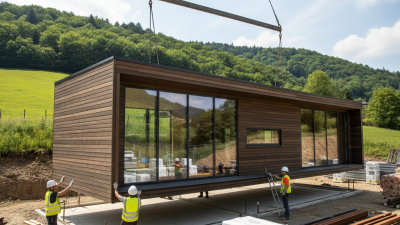
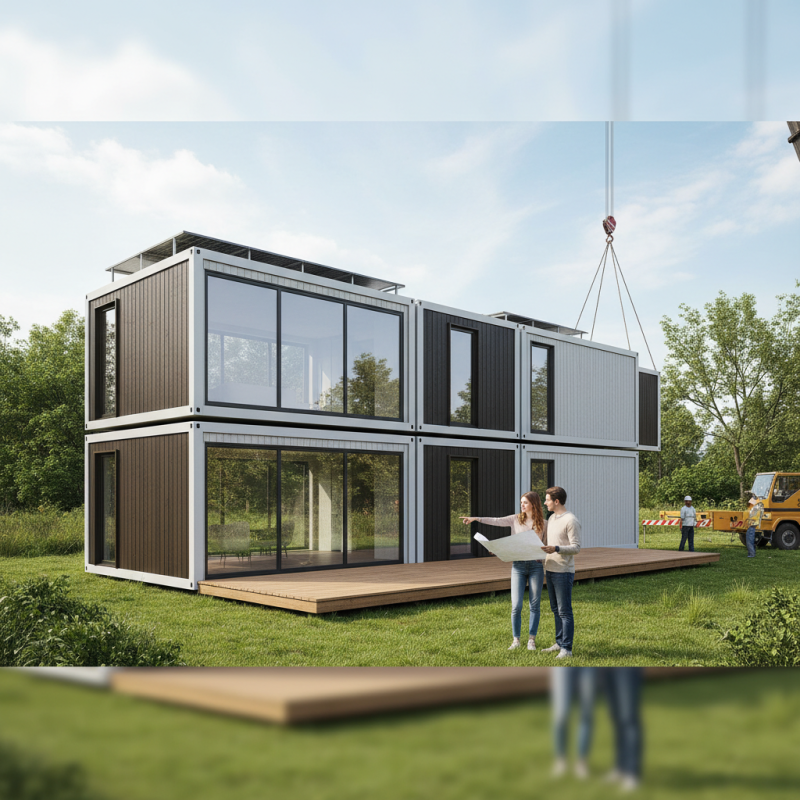
Prefabricated modular homes are an innovative solution in today’s housing market. These homes are built off-site and then transported to their final location. This method can significantly reduce construction time. You can have a new home ready in a fraction of the time compared to traditional building methods.
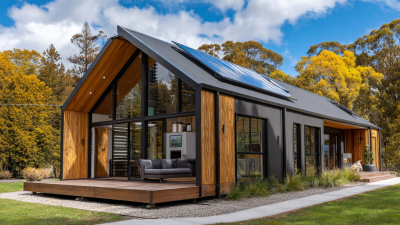
Understanding the basics of these homes is crucial. They come in various styles and layouts, catering to diverse tastes. Some homeowners find the design process exciting, while others struggle to visualize their future home. Quality is often a concern; it’s important to choose reputable manufacturers. Low-quality materials can lead to problems down the line. Inspecting materials and construction techniques can save you headaches later.
Every modular home is unique, which means customization is possible. However, these options may come with additional costs. Many buyers overlook this aspect and face surprises in their budget. Researching local regulations is equally vital. Some areas have strict zoning laws that could affect your plans. Engaging with knowledgeable professionals can help navigate these challenges.
Key Factors to Consider When Choosing a Modular Home
Choosing the right modular home requires careful consideration of various factors. Start by evaluating the location. The site's zoning laws and building codes may impact your options. It's essential to research these regulations thoroughly. Be mindful of the local climate. This can influence the design and materials suitable for your new home.
Consider the layout and design that will best suit your lifestyle. Whether you prefer an open floor plan or defined spaces, make sure it meets your needs. Think about the resale value as well. Some designs may appeal to future buyers more than others. Efficiency is also crucial. Look for energy-efficient features that can help reduce long-term costs.
Budget is a significant factor. Always include potential additional expenses like land preparation and utility hookups. In the excitement of choosing a modular home, it’s easy to overlook these costs. Assess your financing options, too. While many lenders offer good terms, terms vary widely. Choosing wisely can help streamline the buying process and ensure your investment is sound.
Key Factors to Consider When Choosing a Modular Home
Budgeting Tips for Purchasing Prefabricated Homes
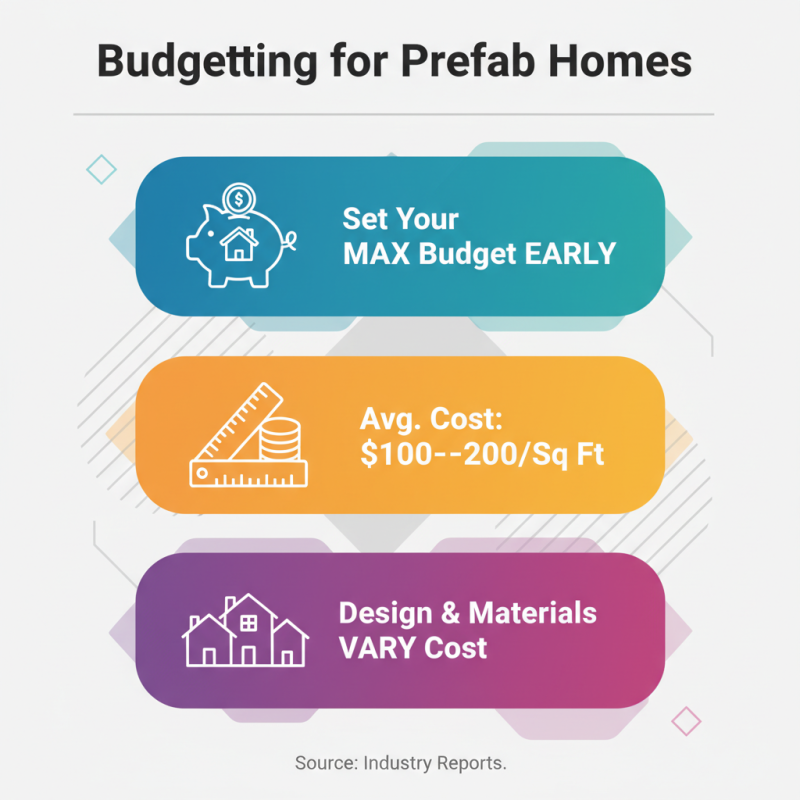
When considering a prefabricated modular home, budgeting is paramount. Industry reports indicate that the average cost per square foot for modular homes ranges from $100 to $200. Depending on design and materials, this figure can vary significantly. It’s essential to determine your maximum budget early on.
Unexpected costs often arise. Site preparation, permits, and utilities can add thousands to your budget. A recent survey found that 30% of buyers faced at least a 15% increase in their total costs due to these additional fees. It's wise to allocate an emergency fund of at least 10-15% of the overall budget to handle such surprises. Researching local zoning laws and building codes can also mitigate unforeseen expenses.
Financing options play a crucial role. Traditional bank loans may not cover modular homes fully. Consider specialized lenders familiar with prefabricated homes. They often provide tailored financing plans. Additionally, energy-efficient features in modular homes can lead to long-term savings. According to the U.S. Department of Energy, efficient homes can reduce energy bills by up to 30%. Focusing on these financial aspects will ensure a more successful purchase.
Evaluating Quality and Construction Standards in Modular Homes
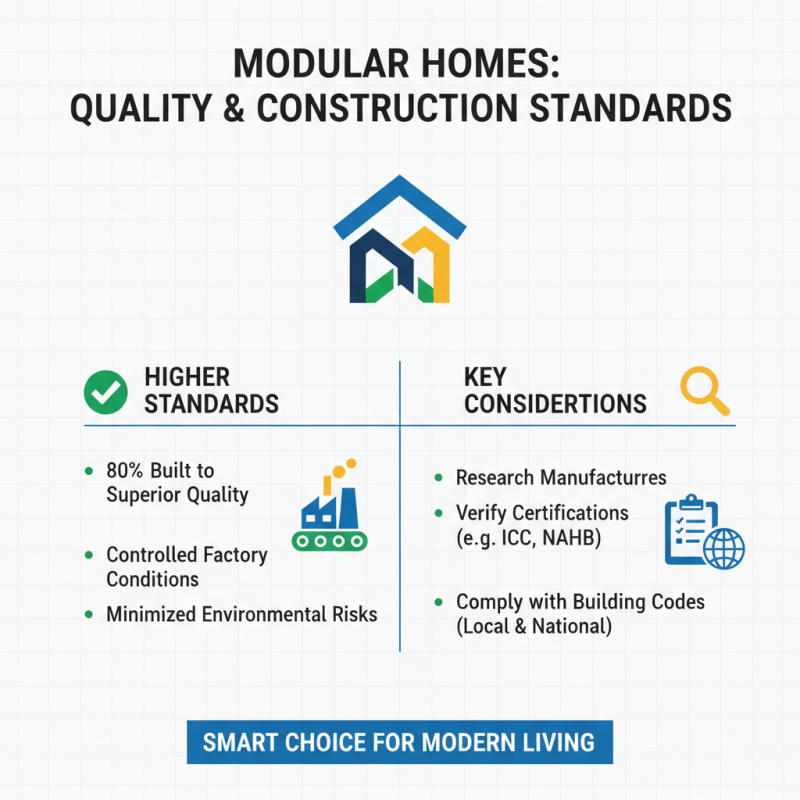
When it comes to buying prefabricated modular homes, understanding quality and construction standards is key. Various reports suggest that over 80% of prefab homes are built to higher standards than traditional homes. This is due, in part, to controlled factory conditions that minimize environmental risks. However, not all manufacturers are equal. It is essential to research and verify certifications from credible organizations, ensuring compliance with local and national building codes.
Evaluating the materials used is crucial. Wood, steel, and concrete each come with unique properties. For example, steel-framed homes often offer better durability and resistance to pests. Be aware of industry trends. A study from the National Association of Home Builders (NAHB) indicated that energy-efficient modular homes are increasingly popular, with some builders prioritizing eco-friendly materials.
Tips for buyers include asking for warranties that cover workmanship and materials. Request to see previous projects and ask for references. Visiting a factory can provide insight into construction practices. Transparency is vital; any reluctance from a manufacturer could signal potential issues. Always take the time to reflect before making decisions, ensuring that your choice aligns with your long-term living goals.
Navigating Local Zoning and Building Regulations for Modular Homes
When considering a prefabricated modular home, local zoning and building regulations must be understood. These regulations can vary significantly from one location to another. It’s essential to research local laws before making any decisions. You might find restrictions on home size, styles, and even the materials used for construction.
Tip: Consult local zoning boards for specific requirements. They can provide insights into what is permissible in your area. Engaging with local authorities early can also speed up the approval process.
Municipalities often have guidelines that can seem overwhelming. Some areas require building permits, while others have strict zoning laws. Failing to comply can lead to fines or project delays. It’s wise to gather all necessary documentation and understand the review process.
Tip: Be prepared for potential amendments. Sometimes, you may need to adjust your plans based on local feedback. This flexibility can save you time and enhance your project's alignment with community standards.
Essential Tips for Buying Prefabricated Modular Homes Today
| Aspect |
Considerations |
| Zoning Regulations |
Check local zoning laws to ensure modular homes are allowed in your area. |
| Building Codes |
Familiarize yourself with building codes to ensure your home meets safety standards. |
| Setbacks |
Understand the required distances from property lines and other structures. |
| Permitting Process |
Learn the steps needed to obtain building permits from local authorities. |
| Homeowner Associations |
Check if there are restrictions or guidelines set by any HOA in your area. |
| Financing Options |
Explore financing options that are available for modular homes. |
| Site Preparation |
Ensure the land is properly prepared to support the construction of modular homes. |
| Utilities Hookup |
Confirm the availability of water, electricity, and sewage connections. |