Top Tips for Choosing Transportable Container Homes?
Transportable container homes are rapidly gaining popularity in the housing market. According to a report by Grand View Research, the global modular construction market is expected to grow significantly, surpassing $157 billion by 2023. This growth is largely fueled by the advantages of transportable container homes. They are cost-effective, environmentally friendly, and flexible.
When opting for transportable container homes, essential factors come into play. For instance, buyers should consider the durability of materials. Reports indicate that these homes can withstand extreme weather conditions, making them a viable option for various climates. However, not all containers are created equal, and prospective homeowners must scrutinize structural integrity and insulation properties.
Moreover, it's crucial to reflect on the design options available. Aesthetics and functionality must align with individual needs. Limited designs can lead to dissatisfaction. Therefore, a deep understanding of both standard and custom options is key. As this market evolves, staying informed will empower potential homeowners to make sound decisions regarding transportable container homes. Always consult industry professionals for tailored advice.

Understanding Transportable Container Homes Basics
Transportable container homes have gained popularity in recent years. They offer a unique blend of affordability and environmental sustainability. According to a 2022 market report, the global prefabricated housing market is expected to reach $112.8 billion by 2025. This indicates a significant shift towards alternative housing solutions. Many buyers now consider container homes for their flexibility and quick assembly.
Understanding the basics of transportable container homes is crucial. These structures are made from repurposed shipping containers, which reduces waste. Standard containers are typically 20 or 40 feet long, providing various living space options. Insulation and ventilation are vital aspects that require attention. Poor insulation can lead to uncomfortable living conditions, especially in extreme climates. Additionally, local building codes often impact design choices, an area that needs thorough research.
While the environmental benefits are appealing, cost considerations are essential. The base cost of a container can range from $1,500 to $5,000, but additional expenses like modifications can quickly add up. Potential homeowners should reflect on their specific needs and budget. A common pitfall is underestimating the cost of land preparation and permits, which can be substantial. Thus, careful planning and research are necessary when investing in transportable container homes.
Evaluating Local Regulations and Zoning Laws
When considering transportable container homes, understanding local regulations is crucial. Each area has specific zoning laws. These rules determine where you can place your container home. Some regions have restrictions on temporary housing. Others may require permits for installation. Always check with local authorities. This step can save you from costly legal issues later on.
Research the zoning laws in your intended location. Look for restrictions related to land use. Note any special features needed for construction. Some cities might require homes to blend with local architecture. Others could mandate specific building standards. Getting it right is essential.
Keep in mind that regulations can change. What is acceptable today may not be in the future. Make a plan to stay updated on local policies. Ask questions when necessary. It’s important to align your project with the community's rules. A little effort here can ensure a smoother, more successful home-building experience.
Top Tips for Choosing Transportable Container Homes
| Aspect |
Considerations |
Examples |
| Local Regulations |
Check for any building permits required in your area. |
Building Code Compliance |
| Zoning Laws |
Determine if container homes are allowed in your zoning district. |
Residential Zoning Compliance |
| Site Preparation |
Ensure the site is suitable for container placement and meets grading regulations. |
Site Surveys |
| Utility Access |
Check the availability of water, electricity, and sewage connections. |
Utility Hookup Feasibility |
| Insurance |
Find out if container homes can be insured in your locality. |
Homeowner's Insurance Policies |
Assessing Your Budget and Financing Options
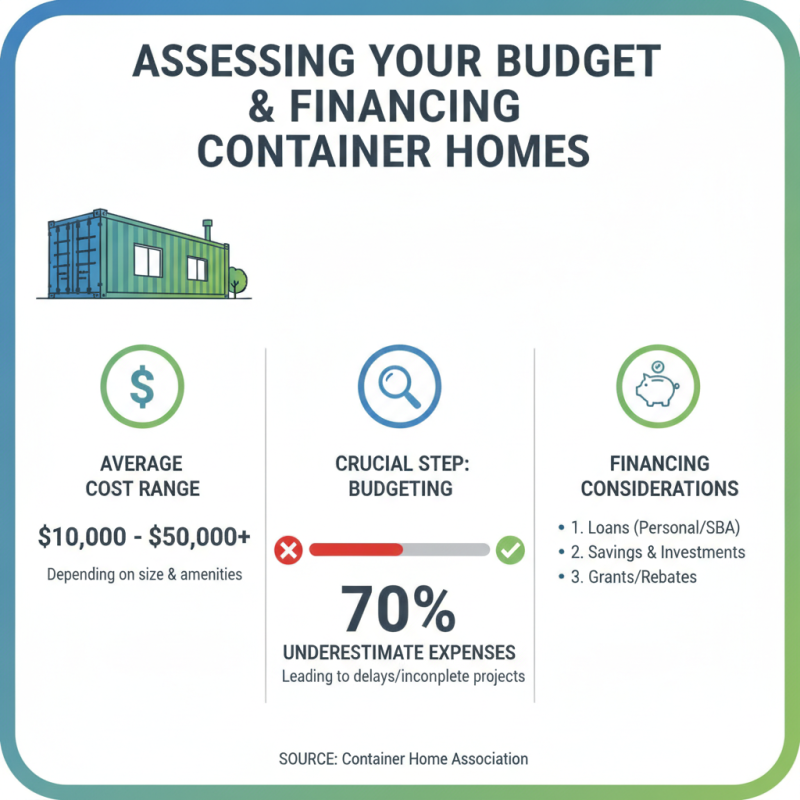
Assessing your budget is crucial when choosing transportable container homes. The average cost of a container home can vary widely, often ranging from $10,000 to over $50,000 depending on size and amenities. According to the Container Home Association, up to 70% of potential homeowners underestimate the total expenses involved. This often leads to financial strain, resulting in delays or incomplete projects.
Financing options for container homes are becoming more available. Traditional home loans may not cover unconventional builds like these. However, specialized lenders and personal loans can provide alternatives. It is essential to compare interest rates and terms from multiple sources. Reports from the National Association of Realtors indicate that a thorough assessment of your financial situation can improve your chances of loan approval.
Many prospective buyers also overlook ongoing costs. These include site preparation, utilities, and maintenance. A simple mistake can derail your plans. Make a detailed budget that accounts for these elements. Allocate funds not only for the initial purchase but also for unexpected expenses. This approach will help clarify your financial limits and guide your choices effectively.
Choosing the Right Size and Design for Your Needs
When choosing transportable container homes, size and design are crucial aspects. Consider how much space you truly need. A small, efficient home could be perfect for one or two people. However, a larger family may require more room. Always measure your intended space. Think about future needs, too. A growing family might need additional rooms later on.
Design plays a significant role in making a container home functional. Open layouts can create a sense of space. Windows allow natural light in, making the home feel brighter. However, not all designs optimize space effectively. Some layouts may waste precious square footage. Explore different configurations before settling on one. Keep an open mind; sometimes, unconventional designs prove to be the most effective.
Materials also affect the overall aesthetic and functionality. Durable insulation can keep the home cozy in winter. Choosing the right flooring is key, too. Opt for surfaces that are easy to clean and maintain. Think about how each choice can enhance your living experience. Ultimately, each decision should align with your lifestyle and preferences. Balancing size, design, and practicality can be challenging. Take your time to reflect on what works best for you.
Top Tips for Choosing Transportable Container Homes
This chart visualizes the popular design choices and sizes chosen for transportable container homes, highlighting the preferences among potential buyers.
Finding a Reliable Builder or Manufacturer for Your Container Home
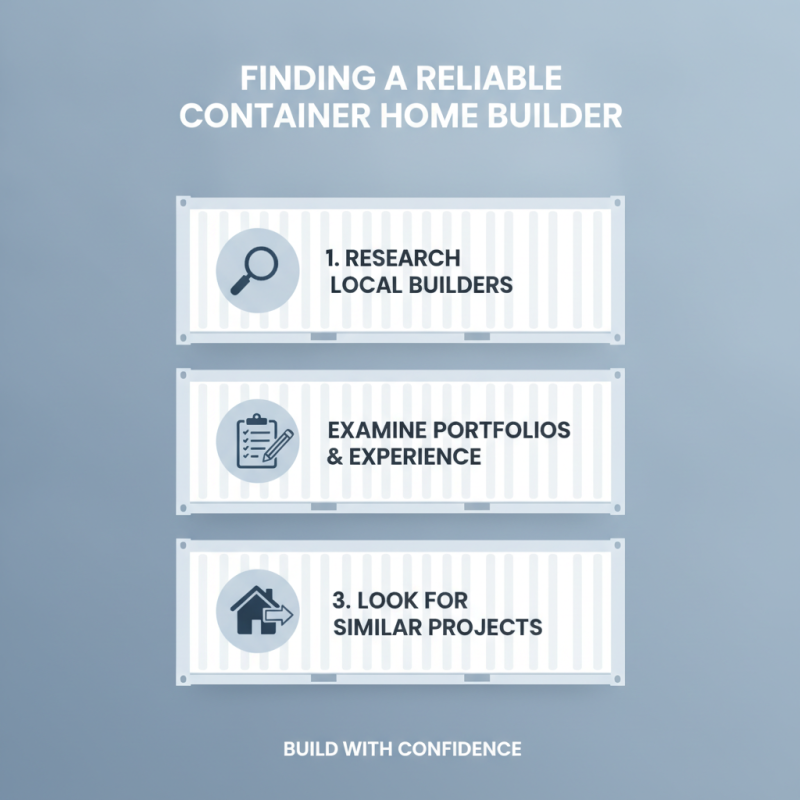
When searching for a reliable builder or manufacturer for your transportable container home, research is crucial. Start by exploring local builders with experience in container construction. A builder’s portfolio can reveal their expertise. Look for projects similar to your vision. This gives you confidence in their skills.
Communication plays a vital role. Ask questions about building materials, timelines, and permits. A trustworthy builder should be open and articulate. Be cautious of vague responses; clarity is essential. Reviews and testimonials from previous clients can provide insight. They reflect the builder’s reliability and quality of work.
Consider visiting completed projects. This firsthand experience can help you assess craftsmanship. Additionally, watch for any signs of poor construction or unfinished work. If something feels off, trust your instincts. It’s important to find someone who prioritizes quality and your needs.