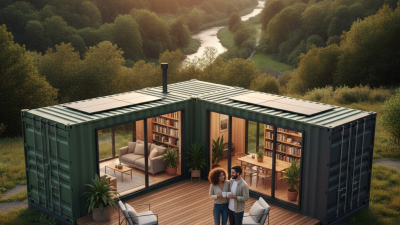
2026 Top Trends in Prefab Steel Container Homes for Modern Living?
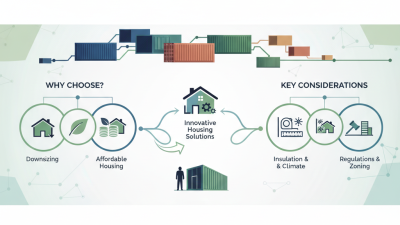
The trend of prefab steel container homes is reshaping modern living. These homes are innovative, cost-effective, and environmentally friendly. They provide a unique solution for housing in urban areas, offering both durability and design flexibility.
Prefab steel container homes come in various styles, reflecting personal taste and modern architectural trends. They can be customized to include eco-friendly features, making them appealing to sustainability-minded buyers. However, some may find the space limiting, urging potential owners to rethink their living arrangements.
In addition, the perception of container homes needs attention. While many praise their affordability, others fear they may lack comfort. Addressing these concerns is crucial for broader acceptance. As we explore the evolving landscape of prefab steel container homes, it is vital to embrace both their potentials and limitations.
Emergence of Prefab Steel Container Homes in Modern Architecture
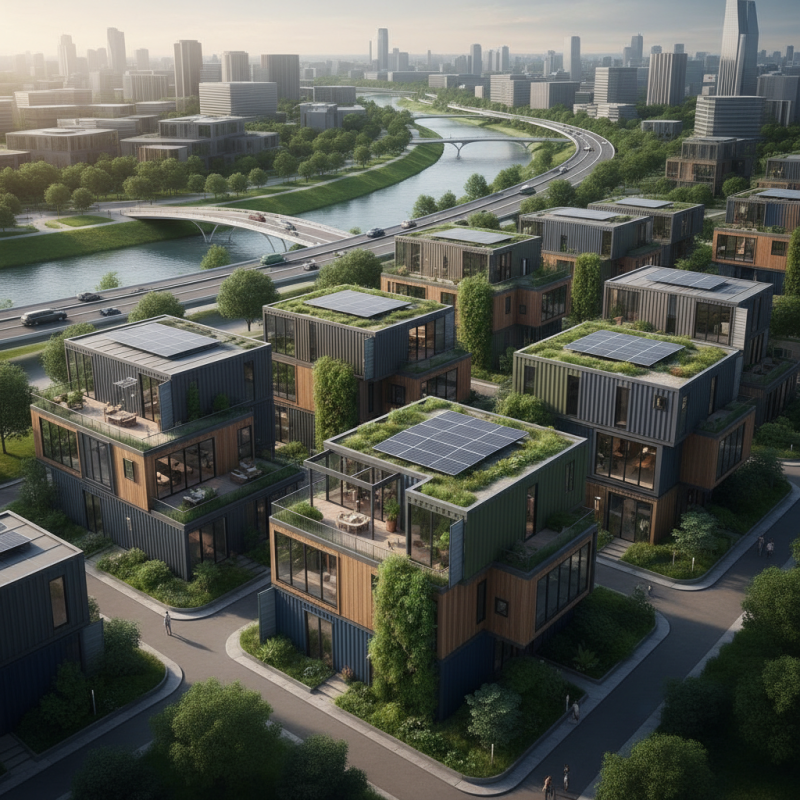
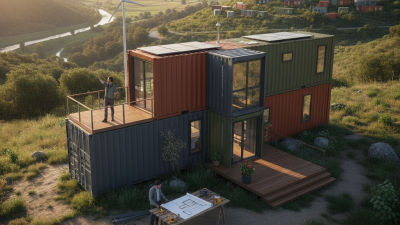
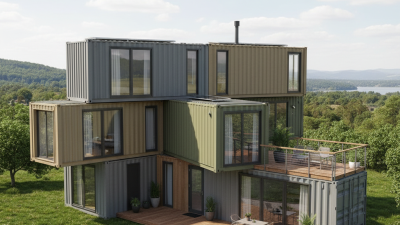
The rise of prefab steel container homes is reshaping modern architecture. These homes combine sustainability and innovative design. They offer a unique alternative to traditional housing. Many people are attracted to their industrial aesthetic. They can be customized easily to fit individual needs. Space optimization is essential in urban areas, and these homes excel in that regard.
However, not all designs withstand scrutiny. Some feel too cramped despite clever layouts. Others face challenges with insulation and temperature control. These are areas where improvement is necessary. The journey from concept to reality is still evolving. Builders must focus on addressing these imperfections.
Despite these hurdles, the appeal of prefab steel container homes continues to grow. They promote eco-friendly living and encourage creative architecture. As designers experiment further, innovative solutions will likely emerge. The combination of form and function in this trend is intriguing. It invites both excitement and critical thought about the future of housing.
Sustainable Features of Prefab Steel Container Homes
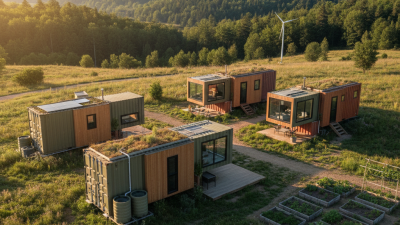
Prefab steel container homes are gaining popularity for their sustainable features. These homes often utilize recycled shipping containers, reducing waste. Data from the Modular Building Institute shows that prefab homes can cut construction waste by up to 90%. This lower environmental impact is appealing to many modern homeowners.
Sustainable design elements include energy-efficient insulation and solar panels. These features help reduce energy costs and environmental footprints. Reports indicate that owners can save 30-50% on energy bills with proper design. Additionally, utilizing local materials minimizes transportation emissions, promoting a greener building process.
Tips: Consider integrating green roofs to improve insulation. Also, use low-VOC paints to enhance indoor air quality. Finally, remember that while prefab homes are eco-friendly, they still require careful planning to maximize sustainability.
2026 Top Trends in Prefab Steel Container Homes for Modern Living
| Trend |
Description |
Sustainable Feature |
Impact |
| Energy Efficiency |
Use of high-quality insulation and energy-efficient windows. |
Reduced energy consumption. |
Lower utility bills and environmental footprint. |
| Water Conservation |
Rainwater harvesting systems integrated into design. |
Sustainable water usage. |
Reduction in water wastage and lower water bills. |
| Smart Home Technology |
Integration of IoT devices for monitoring and control. |
Enhanced energy management. |
Increased convenience and efficiency. |
| Modular Design |
Flexible layouts for customization of living space. |
Reduced construction waste. |
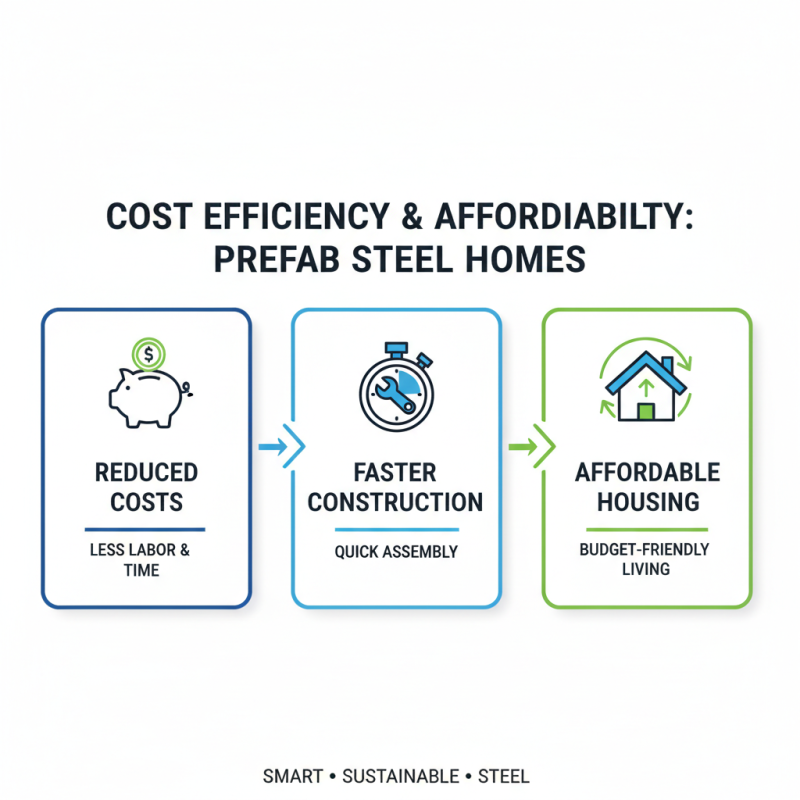
Lower costs and time-efficient builds. |
| Eco-friendly Materials |
Utilization of recycled and sustainably-sourced materials. |
Minimized environmental impact. |
Promotes sustainability in construction. |
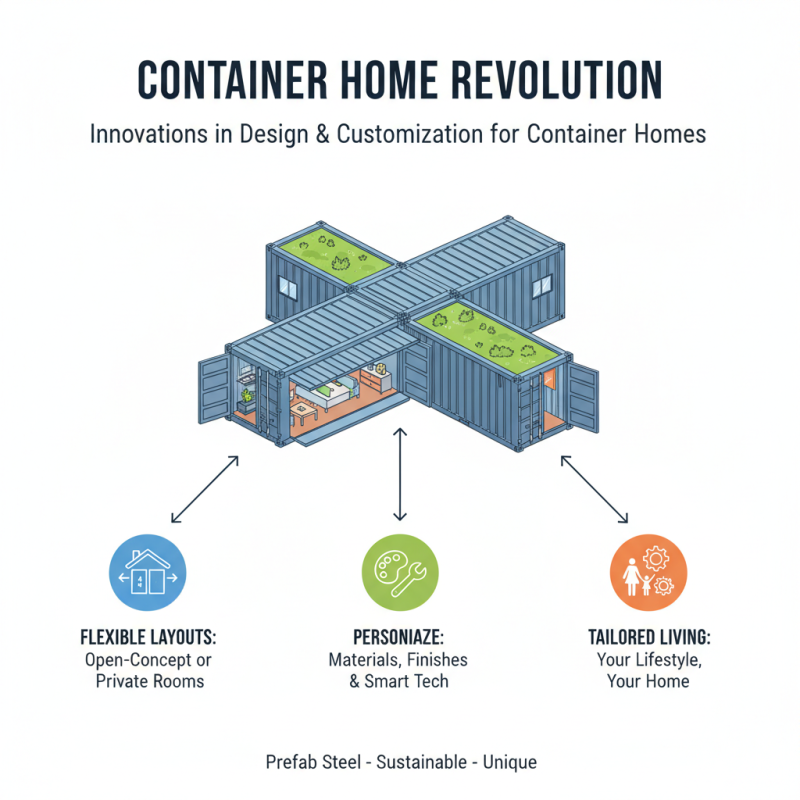
Innovations in Design and Customization for Container Homes
The rise of prefab steel container homes is reshaping modern living in exciting ways. One of the key innovations in this field is the ability to customize spaces according to personal needs. Homeowners can choose layouts that fit their lifestyles, whether that means an open-concept design or separate rooms for privacy. With various materials and finishes available, each home can feel unique even though they share a common structure.
In terms of sustainability, these homes often incorporate eco-friendly features. Solar panels, rainwater harvesting systems, and energy-efficient insulation are becoming standard. This shift reflects a growing awareness of our environmental footprint. However, challenges remain: ensuring that these innovations are both accessible and affordable. Many are still priced out of the market, which raises important questions about inclusivity in housing design.
Another trend is the integration of smart technology. Automated systems for lighting, heating, and security add convenience but can sometimes feel overwhelming for those unfamiliar with tech. Balancing advanced technology with simple living is a journey worth exploring. Not every solution works for every individual, and finding the right mix requires ongoing consideration and adaptation.
Future Trends and Technological Advancements in Container Home Construction
The future of container home construction is bright and innovative. Advancements in modular technology are reshaping the landscape. Prefab steel container homes now offer improved insulation and energy efficiency. This means more comfortable living spaces year-round. Moreover, smart home technology is increasingly integrated into these designs. Homeowners can control lighting and climate with a smartphone. This trend reflects a growing desire for convenience and sustainability.
As we embrace these innovations, it is vital to consider their environmental impact. While container homes recycle materials, the manufacturing process must be sustainable. Not all materials used in construction are eco-friendly. This is an area we must continuously reflect on. Additionally, zoning regulations can pose challenges for container homes. They may not always fit conventional expectations. Architects are finding creative solutions to overcome these barriers.
The rise of 3D printing technology could further revolutionize container home construction. This method allows for quicker and more efficient building processes. However, the long-term durability of 3D-printed materials remains a question. Striking a balance between innovation and traditional craftsmanship is essential. The journey toward the container home of the future is not without its hurdles. Yet, the potential rewards are significant and worthy of exploration.