2026 How to Build Transportable Container Homes for Sustainable Living?
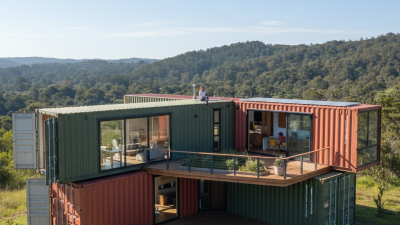
Transportable container homes are emerging as a popular solution for sustainable living. These homes are made from repurposed shipping containers. They offer flexibility and mobility, allowing residents to adapt to changing environments.
Building transportable container homes requires creativity and attention to detail. Each container can be customized to meet the needs of its occupants. They can be designed for efficiency, with energy-saving features and sustainable materials. However, this process can be challenging. There may be unexpected costs or issues during construction. It's essential to plan carefully and remain adaptable.
Living in transportable container homes promotes a minimalist lifestyle. It encourages residents to prioritize what truly matters. However, this way of living can come with its own set of challenges. Is less really more? This question often lingers for those transitioning to this new lifestyle. Despite its imperfections, building transportable container homes presents an exciting opportunity for sustainable living.

Understanding Transportable Container Homes for Sustainable Living
Transportable container homes are gaining popularity as a solution for sustainable living. These homes are built from shipping containers, which are often discarded after their initial use. By repurposing these containers, we can reduce waste and promote eco-friendly building practices. It offers a unique style while being affordable and durable. However, the journey to making these homes truly sustainable requires careful planning.
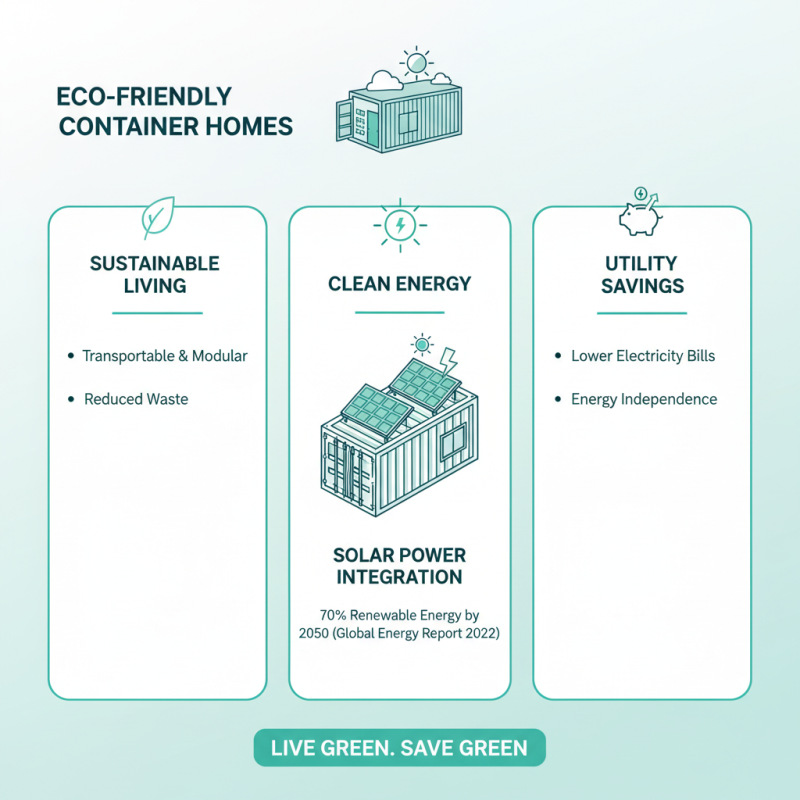
When constructing a container home, consider insulation and energy efficiency. Standard containers can trap heat or cold, leading to discomfort. Using eco-friendly materials for insulation can alleviate this issue. Solar panels are also a fantastic way to ensure energy independence. They power your home without adding to your carbon footprint. Still, not everyone has access to ideal sunlight. It requires consistent assessment of available resources in the building location.
Design is crucial for livability. Transportable homes should maximize space while ensuring comfort. Multi-functional furniture can help with this, but it sometimes lacks practicality for daily use. Many forget about water management systems. Proper disposal and collection systems need focus to avoid contamination. It’s a reminder that even sustainable living has its complexities and challenges. Balancing these factors may require patience and continual learning.
Materials and Design Considerations for Container Homes
Building transportable container homes requires careful consideration of materials and design. Choosing the right materials is crucial for sustainability and durability. Steel shipping containers are popular due to their strength and availability. However, they can be prone to rust. Using corrosion-resistant coatings can help, but it may not be a perfect solution. You need to regularly maintain the exterior to ensure longevity.
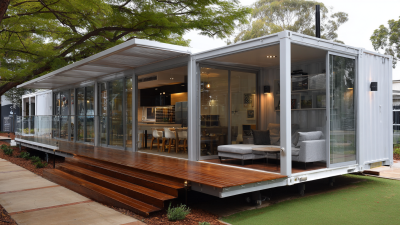
Insulation is another important aspect. Standard insulation methods may not work well in containers. Rigid foam insulation can provide effective thermal performance. But it's important to plan for ventilation to prevent moisture buildup. Windows and skylights can enhance natural light, helping to create a cozy interior. Yet, it’s a balancing act. Too many openings can compromise the structural integrity.
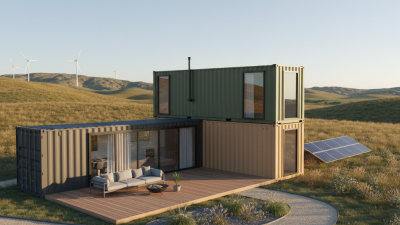
Design flexibility is a clear advantage of container homes. You can stack containers or arrange them in various configurations. This adaptability can lead to creative living spaces but can also present challenges. Ensuring proper plumbing and electrical systems is vital. Consulting professionals can help navigate these complexities. Remember, the goal is sustainable living, but it's a work in progress. Each choice, from design to materials, needs thoughtful reflection.
Materials Used in Building Transportable Container Homes
This chart displays the primary materials used in the construction of transportable container homes for sustainable living. Each material plays a vital role in enhancing the durability, insulation, and eco-friendliness of the homes.
Step-by-Step Construction Process for Transportable Containers
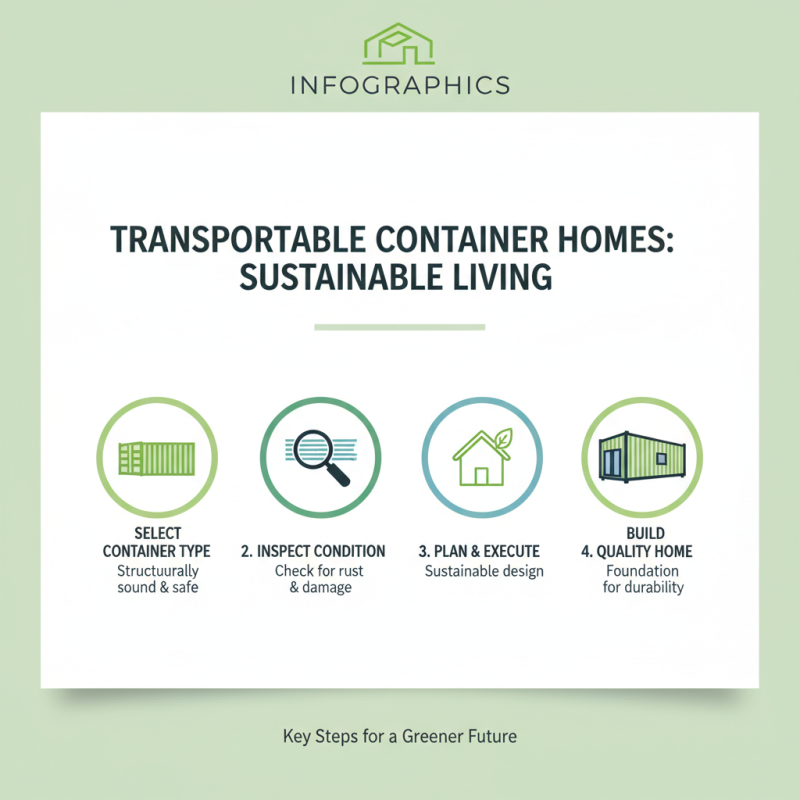
Building transportable container homes for sustainable living requires careful planning and execution. Start by selecting the right type of shipping container. Ensure it is structurally sound and free of any dangerous materials. Inspect the container for rust or damage. A good container makes a huge difference in the quality of your home.
Next, design the layout. Think about how you want to use the space. Consider natural light sources and airflow when designing. You can create separate areas for sleeping, cooking, and living. Remember, container dimensions are limited. This may require creativity in maximizing the available space.
Then, focus on insulation and utilities. Insulating your container is essential for comfort. Use safe materials to maintain a healthy living environment. Plan for plumbing and electrical installations, but be aware. Not everyone has experience with these systems. Mistakes can be costly and might lead to health risks. Always be prepared to seek professional help if you're unsure about a step.
Challenges and Solutions in Transporting and Setting Up Container Homes
Transporting and setting up container homes presents unique challenges. Transport logistics can lead to unforeseen costs. Consider the average cost of shipping a standard 40-foot container, which can range from $1,000 to $5,000. Factors like distance and destination affect pricing dramatically. Furthermore, transporting containers requires careful planning to avoid damage during transit. Handling can result in scratches or structural issues.
Another challenge is site preparation. Not all locations are suitable for container homes. The ground must be stable and level. Research indicates that improper foundation work leads to 30% of building problems. Additionally, local zoning laws may restrict container home setups. Some areas require permits, while others do not allow them at all. This variability can complicate project timelines and budgets.
There are practical solutions to these challenges. Modular designs allow for easy expansion and adaptation. Containers can be equipped with features that enhance transportability. Innovative trailers can be used for easier movement. Engaging local experts can streamline the setup process. Their knowledge of regulations and site conditions proves invaluable. Addressing these challenges early can save time and money. However, continuous reflection on these practices is necessary to improve the approach to container home construction.
2026 How to Build Transportable Container Homes for Sustainable Living? - Challenges and Solutions in Transporting and Setting Up Container Homes
| Challenge |
Description |
Solution |
| Weight Limitations |
Containers have specific weight limits that can affect transportation. |
Use lightweight materials for insulation and interior finishes. |
| Transportation Regulations |
Local regulations may restrict the size and weight of transportable structures. |
Research local regulations before planning transportation. |
| Foundation Issues |
Container homes require stable foundations to prevent settling. |
Utilize concrete piers or steel frames to provide stability. |
| Insulation Challenges |
Containers can have temperature regulation issues due to metal construction. |
Incorporate high-quality insulation and ventilation systems. |
| Setup Complexity |
Connecting utilities such as water and electricity requires careful planning. |
Engage licensed professionals for utility installations. |