Why Choose Aluminum Profiles For Doors Over Other Materials?
In the evolving world of construction and design, choosing the right materials for doors is crucial. Aluminum Profile For Doors stands out for several reasons. According to a report by the Aluminum Association, the market share of aluminum in door manufacturing has increased by over 40% in the past decade. This growth signifies a shift towards materials that combine durability, aesthetics, and sustainability.
Aluminum profiles offer superior resistance to corrosion and weathering. This makes them ideal for various environments, from coastal areas to urban centers. Industry data shows that aluminum doors can last over 30 years with minimal maintenance. Additionally, they provide better thermal insulation compared to traditional materials. This aligns with energy efficiency trends in construction, where buildings aim for lower energy consumption.
However, it's essential to acknowledge some challenges. While aluminum is recyclable, the initial production process can be energy-intensive. Consumers need to weigh the long-term benefits against the environmental impact. Embracing aluminum profiles for doors is a forward-thinking choice, but awareness of the entire lifecycle is vital for sustainable practices.
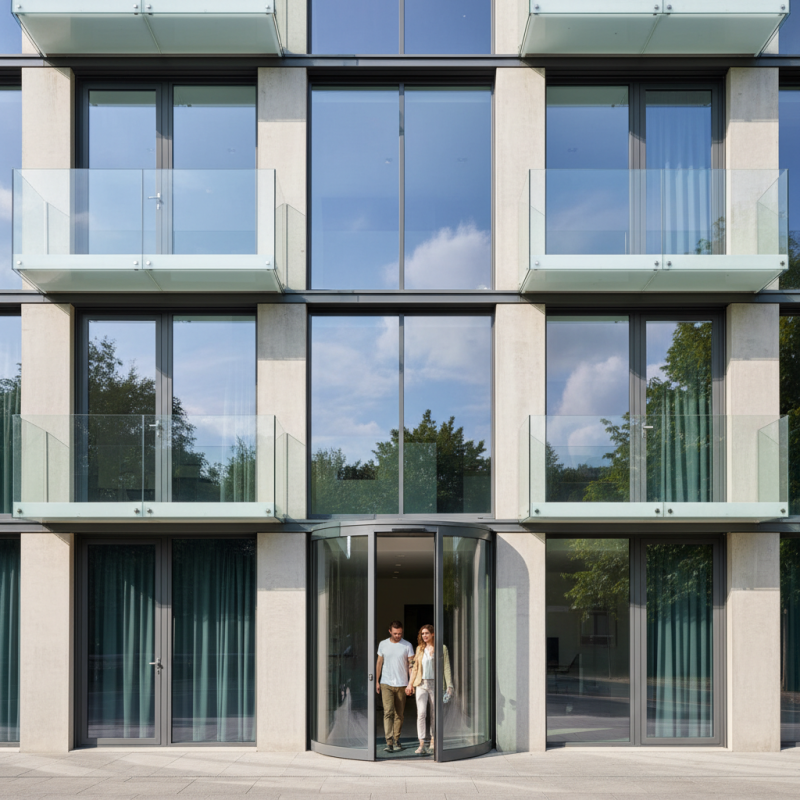
Advantages of Aluminum Profiles for Doors Compared to Wood and PVC
Aluminum profiles are gaining popularity for door manufacturing. They offer significant advantages over wood and PVC. One major benefit is durability. According to the Aluminum Association, aluminum doors can last over 30 years with minimal maintenance. In contrast, wood can warp and deteriorate due to moisture, and PVC can crack or fade in extreme weather.
Energy efficiency is another critical aspect. Aluminum doors today often feature thermal breaks, enhancing insulation. Studies show that properly insulated aluminum doors reduce energy loss by up to 40%. This is a stark contrast to wood and PVC, which may not provide the same level of insulation efficiency consistently.
Aesthetics also play a role in the decision-making process. Aluminum can be shaped into sleek, modern designs that suit contemporary architecture. Wood offers a classic look but often requires more upkeep. PVC may not deliver the same richness and style. While aluminum profiles are a strong choice, potential buyers should consider their particular needs and local climate conditions.
Durability and Weather Resistance of Aluminum in Door Applications
Aluminum profiles are increasingly popular for doors, particularly due to their durability and weather resistance. Unlike wood or plastic, aluminum does not warp or crack under extreme conditions. This is vital for areas with high humidity or harsh winter climates. The material maintains its shape and function over time, minimizing the need for replacements or repairs.
Moreover, aluminum has excellent resistance to corrosion. This natural property makes it suitable for coastal areas where saltwater can cause damage to other materials. It can withstand heavy rain, snow, and sunlight without degrading. This resilience ensures that doors remain functional and aesthetically pleasing for longer periods. Choosing aluminum profiles can be a smart, long-term investment for both residential and commercial properties.
However, the choice is not without reflection. While aluminum presents many benefits, some may find it less visually appealing than wood. Personal preferences vary greatly, and some people might prioritize aesthetics over durability. Balancing these factors is essential for making an informed decision about door materials.
Cost-effectiveness of Aluminum Profiles Over the Lifespan of Doors
Aluminum profiles are gaining traction as a preferred choice for doors due to their cost-effectiveness over time. Unlike wood or steel, aluminum does not warp or rust. This durability ensures that maintenance costs are lower. Homeowners often overlook this benefit. They may choose materials for initial savings rather than long-term expenses.
Over the lifespan of doors, aluminum profiles remain a budget-friendly option. They have longer lifespans than many traditional materials. The need for repainting, sealing, or refinishing is significantly reduced. This translates to fewer costs and hassles. While initial costs can be higher than wood, consider the future costs. You might save more in repairs and replacements.
Some might hesitate to choose aluminum due to preconceived notions of aesthetics. However, modern designs offer a range of finishes and styles. The sleek appearance of aluminum can fit various architectural themes. This flexibility adds value to any property. Ultimately, the choice of materials should consider long-term implications. Aluminum profiles deliver both function and style, often at a lower total cost.
Design Versatility of Aluminum Doors: Customization and Aesthetics
Aluminum profiles have emerged as a top choice for door construction, particularly due to their design versatility. Customization options abound, making it simple to adapt to various architectural styles. According to industry reports, over 70% of designers prefer aluminum for its adaptability. It can be crafted into numerous shapes and finishes, ensuring a unique aesthetic that meets client needs.
Aesthetic appeal is not the only benefit. Aluminum doors allow for larger panel sizes compared to wood or vinyl alternatives. This capability supports expansive glass elements, fostering natural light within spaces. Data from the International Aluminum Institute indicates that aluminum's high strength-to-weight ratio enables thinner frames while maintaining durability. However, the challenge remains in the thermal performance of such profiles, often requiring enhanced insulation strategies.
Customization extends beyond mere appearance. Different coatings and colors are available, lending doors a contemporary feel. Yet, one must remain cautious about long-term maintenance. Without proper care, even aesthetically pleasing aluminum doors may show wear over time. Balancing beauty and functionality in aluminum door design is crucial. Addressing these aspects can refine the decision-making process for architects and homeowners alike.
Energy Efficiency Benefits of Aluminum Doors with Thermal Break Technology
Aluminum profiles for doors offer remarkable energy efficiency, especially when integrated with thermal break technology. This innovation creates a barrier that significantly reduces heat transfer. Reports indicate that buildings with thermal break aluminum doors can save up to 30% on energy costs compared to those using traditional materials. This is vital in a world increasingly focused on sustainable energy use.
Thermal break technology utilizes a non-conductive insulation material placed between the inner and outer frames. It minimizes condensation, ensuring better indoor air quality. This aspect is particularly crucial in regions with extreme temperatures. For example, a study found that aluminum doors with this technology maintain an interior temperature steadier than wood or fiberglass alternatives.
Tips: Consider the insulation value of aluminum doors when renovating. Not all aluminum profiles have thermal breaks. Choose wisely for better energy efficiency.
While aluminum doors provide benefits, they also require careful installation. Improper sealing can lead to air leaks, undermining energy efficiency. Regular maintenance is essential to uphold their performance and ensure long-term savings.