What Are the Benefits of Prefab Construction in China?
Prefab construction in China is transforming the building industry. With rapid urbanization and increasing demand for housing, this method offers significant advantages. Renowned expert in the field, Dr. Li Wei, asserts, "Prefab construction is the future of efficient building." His insights highlight the growing reliance on innovative construction techniques.
There are multiple benefits to prefab construction. It reduces construction time significantly, often cutting projects down by months. This method also minimizes waste, aligning with sustainability goals. Prefab components are produced in controlled environments, ensuring quality and precision. However, challenges remain, such as initial costs and local regulations that can hinder progress.
Overall, prefab construction holds promise. As cities evolve, the need for efficient and smart building solutions grows. Understanding both the benefits and limitations is essential for stakeholders in the industry. Engaging with this evolving field may lead to a better future in construction.
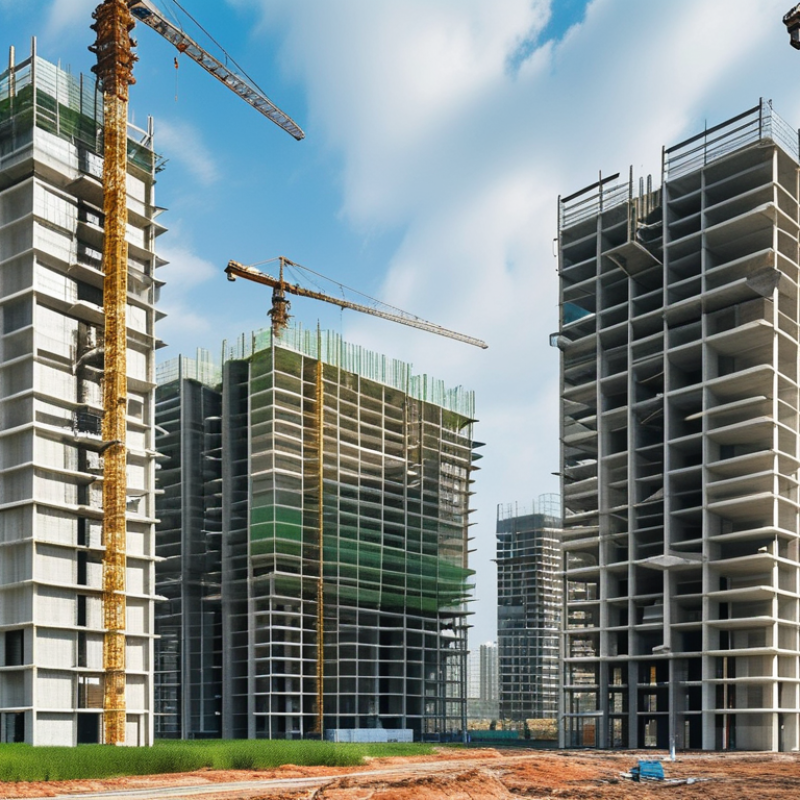
Benefits of Prefab Construction in China: An Overview
Prefab construction in China offers numerous advantages, driving the industry towards modernization. One significant benefit is speed. Prefabricated elements can be constructed in factories while site preparation occurs simultaneously. According to a report by Research and Markets, prefab construction can reduce project timelines by up to 50%. This efficiency translates to lower labor costs and quicker occupancy rates.
Economic benefits also play a crucial role. The cost of materials and labor when utilizing prefab methods can be significantly lower. A study by McKinsey suggests that modular buildings may reduce overall building costs by approximately 20%. This reduction can lead to more projects being feasible within tighter budgets. However, it is essential to consider potential downsides, such as initial higher investment in technology and systems.
Tips: When considering prefab construction, assess local regulations and site conditions. Not all areas have the same level of support for modular builds. Identify reliable suppliers and contractors to ensure quality. Keeping an open mind about design flexibility can also lead to innovative solutions. Balancing speed and cost with quality is key.
Cost Savings: Analyzing Financial Advantages of Prefab Methods
Prefab construction in China offers notable financial advantages. One of the most compelling benefits is cost savings during the construction process. According to a report by the China Academy of Building Research, using prefab methods can reduce construction costs by an impressive 15% to 30%. This reduction stems from lower labor expenses and minimized material waste. Labor efficiency plays a key role. Prefabricated components are manufactured off-site, which streamlines the assembly process on-site.
Moreover, prefab construction can significantly shorten project timelines. A study published by McKinsey & Company found that prefab buildings can be completed up to 50% faster than conventional construction methods. This speed can lead to quicker occupancy and faster returns on investment. However, the reliance on factory environments can occasionally lead to quality control issues. As with any method, careful management and oversight are crucial to ensure quality matches expectations.
The initial investment in prefab technology can be higher, but the long-term savings often outweigh these costs. A report from the World Economic Forum indicates that prefab construction can lead to a 10% reduction in lifecycle costs. This reflects savings not just in construction, but also in operations and maintenance. As the industry evolves, stakeholders must weigh these factors, adjusting strategies as necessary to maximize benefits.
Cost Savings: Analyzing Financial Advantages of Prefab Methods in China
Time Efficiency: How Prefab Construction Reduces Project Timelines
Prefab construction is revolutionizing the building industry in China. With the implementation of modern techniques, project timelines are significantly shortened. According to a recent report from the China Academy of Building Research, prefab methods can reduce project time by up to 50%. This efficiency is particularly beneficial in fast-paced urban environments, where construction speed is crucial.
The prefabrication process allows for components to be manufactured off-site while site preparation occurs simultaneously. This parallel processing not only saves time but also minimizes delays caused by weather or other on-site issues. A study published in the Journal of Construction Engineering and Management highlights that using prefab elements can cut labor costs by approximately 30%. This is vital for addressing labor shortages in the construction sector.
However, the transition to prefab methods isn't without challenges. Some builders express concerns over the initial investment costs. Others question the quality control of off-site manufacturing. While the data shows clear advantages, it’s essential to reflect on these potential issues. Effective communication and training in prefab technology are needed to bridge gaps in understanding and execution. Balancing speed with quality remains a key reflection point for industry stakeholders.
Sustainability Factors: Environmental Impact of Prefab Building Techniques
Prefab construction has gained traction in China, particularly for its sustainability benefits. This building method reduces waste significantly. Traditional construction often leaves behind a large volume of unused materials. In contrast, prefab techniques allow for precise planning and material use. This not only minimizes waste but also lowers the environmental footprint of construction projects.
Additionally, the energy efficiency of prefab buildings is noteworthy. Pre-manufactured components often come with better insulation. This leads to lower energy consumption for heating and cooling. As energy efficiency becomes a priority in urban development, prefab construction offers a modern solution. However, it is crucial to assess local contexts. Some regions may lack adequate infrastructure for transporting these components, which could offset potential benefits.
Another aspect worth considering is the lifecycle of prefab buildings. While they can reduce initial emissions, the long-term impact hinges on materials used. Sustainable materials can enhance the overall eco-friendliness of a project. Yet, there is a risk of overlooking this factor in the rush to embrace prefab technologies. Ongoing evaluation and improvement in material selection remain essential for maximizing the environmental advantages of prefab construction.
Quality Control: Ensuring Higher Standards in Prefabricated Projects
Prefab construction in China has gained popularity due to its many advantages, particularly in quality control. Prefabricated structures undergo rigorous inspection and testing before assembly. This leads to increased consistency in materials and construction techniques. Builders can achieve higher standards, reducing defects and mistakes.
Quality control measures in prefab projects often include standardized processes. Each component is manufactured in a controlled environment. This minimizes the impact of weather and other external factors. As a result, workers can focus on quality over speed. However, some critics argue that this may lead to a lack of adaptability on-site. Unique site challenges may not be fully addressed in the factory.
Moreover, embracing prefab techniques requires a shift in mindset for many traditional builders. They must adopt new skills and technologies to ensure quality. This transition may be difficult for some, leading to concerns over job security. The investment in training for quality management is essential. In the long run, prefab construction could provide reliable solutions for urban development in China.