Top Benefits of Using Prefabricated Containers for Your Projects?
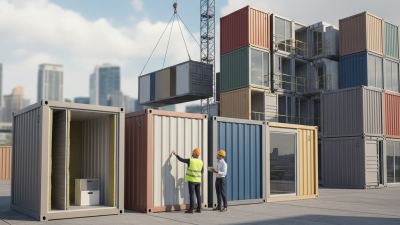
In recent years, the utilization of prefabricated containers has gained significant attention in various industries. These versatile structures offer an innovative approach to construction and deployment. Designed for efficiency, prefabricated containers can be rapidly assembled on-site. This efficiency is crucial in today’s fast-paced world, where time is often of the essence.
Prefabricated containers are not just practical; they are also highly customizable. Users can modify them to suit specific needs, whether for residential, commercial, or temporary uses. However, it's essential to recognize that while prefabricated containers have numerous benefits, selecting the right design and features requires careful consideration. Each project presents unique challenges and opportunities.
Moreover, the durability of prefabricated containers speaks to their reliability. They often withstand harsh weather conditions, making them suitable for diverse environments. Yet, some may wonder about their long-term sustainability. Continual evaluation and improvements in materials and design are necessary to maximize their potential. This evolving landscape means staying informed about best practices is critical for all users.
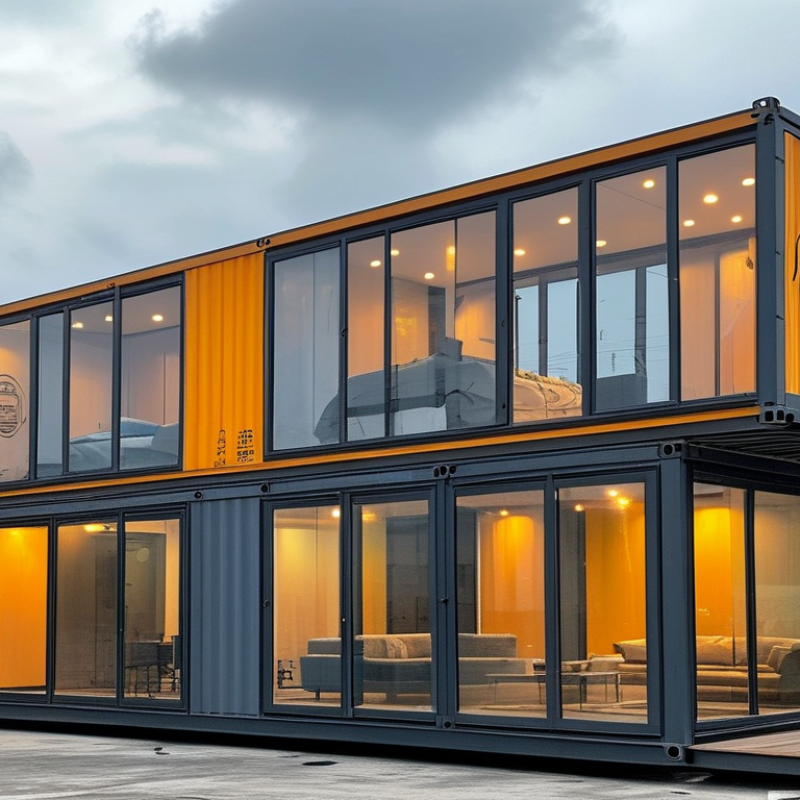
Advantages of Prefabricated Containers in Construction Projects
Prefabricated containers offer numerous advantages in construction projects. They are durable, cost-effective, and customizable to various needs. According to a report by Mordor Intelligence, the global prefabricated construction market is expected to reach USD 245 billion by 2027. This significant growth highlights the increasing reliance on innovative building solutions.
One key benefit is the speed of construction. Modular containers can be assembled on-site quickly, reducing labor costs and time delays. In fact, studies suggest that using prefabricated elements can cut construction time by up to 50%. This efficiency allows projects to meet tight deadlines without compromising quality. Additionally, the adaptability of these containers makes them suitable for various applications, including residential, commercial, and educational facilities.
However, there are challenges to consider. While prefabricated containers reduce waste, proper planning is essential to minimize transportation costs. Not all designs may fit within local zoning laws or aesthetic standards. Each project must be well-researched and tailored to specific regulations. Some stakeholders remain hesitant, unsure if prefabricated solutions will meet their long-term needs. Addressing these concerns is crucial for successful implementation. The industry must continue to innovate and improve to bolster confidence in prefabricated construction methods.
Cost-Effectiveness of Using Prefabricated Containers
Prefabricated containers offer significant cost-effectiveness for various projects. A recent study by Smith and Associates reports that using these containers can reduce construction costs by up to 30%. This is largely attributed to shortened construction time and decreased labor expenses. With increasing demand, recycling costs for materials have also dropped, enhancing overall savings.
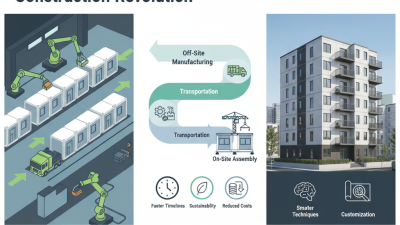
Construction timelines are minimized when using prefabricated containers. Unlike traditional methods, these units are manufactured off-site and assembled quickly. According to the Modular Building Institute, projects using modular solutions often finish up to 50% faster. This efficiency allows developers to save on interest payments and utility bills during the project phase.
Tip: Always compare local regulations. Some areas have specific limits on container placement.
The versatility of prefabricated containers is unmatched. They can be adapted for various uses such as offices, storage, or even housing. However, some projects may face zoning challenges. Designers must account for these factors early to avoid costly delays.
Tip: Conduct thorough site evaluations. This ensures optimal placement and adherence to local codes. A well-planned site can lead to even greater savings.
Investing in prefabricated containers presents unique advantages while also requiring strategic planning. The balance between cost and innovation is essential for project success.
Top Benefits of Using Prefabricated Containers for Your Projects
| Benefit |
Description |
Cost Savings (%) |
| Time Efficiency |
Prefabricated containers can be assembled quickly, reducing overall project timelines. |
30% |
| Flexibility |
Containers can be easily modified and are adaptable for various uses. |
20% |
| Durability |
Containers are built from robust materials, ensuring long-term usage. |
15% |
| Sustainability |
Using repurposed containers reduces waste and environmental impact. |
25% |
| Portability |
Containers can be transported easily to different locations. |
10% |
Time Efficiency in Project Completion with Prefabricated Containers
The use of prefabricated containers in construction projects has become increasingly popular due to their time efficiency. These containers are built off-site and delivered ready for use. This method reduces the overall timeline significantly compared to traditional building methods. Construction teams can focus on other tasks while the containers are being manufactured, leading to a more streamlined process.
One notable aspect of prefabricated containers is their versatility. They can be customized quickly to fit various project needs. This adaptability can also lead to some confusion, as deciding on specifics might require time and revisions. However, this process encourages collaboration among teams, which can ultimately enhance the final outcome.
Moreover, the use of prefabricated containers can minimize delays caused by weather conditions. While traditional construction methods often stall due to rain or snow, container projects can proceed regardless of the weather. Yet, it is important to plan for transportation and setup. These elements can introduce challenges that require careful management. Balancing efficiency with logistics is key to reaping the benefits of this innovative approach.
Design Flexibility and Customization Options for Prefabricated Containers
Prefabricated containers offer remarkable design flexibility and customization options that can elevate your projects. These versatile structures can be modified to suit various functions, from offices to living spaces. You can easily change layouts and finishes for a unique look and feel. Whether you need windows, doors, or walls, customization is key to ensuring the space meets your needs.
One common mistake is underestimating the importance of planning. Properly assess your space's requirements before making design changes. Tip: Utilize software tools for visualizing layouts. This can help you avoid costly mistakes and reworks later. Consider how your choices affect functionality and aesthetics. Striking the right balance can be challenging, but it's essential for a successful outcome.
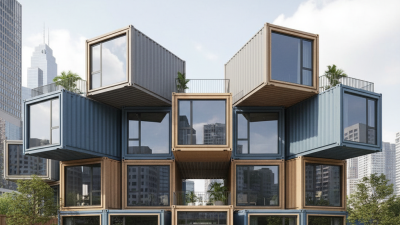
Another way to enhance design flexibility is through modular arrangements. Stackable containers can expand vertical space and create different environments. Tip: Embrace sustainable materials and energy-efficient features. This approach not only enhances your project's value but also supports eco-friendly practices. Be open to feedback during the design process. It often leads to discovering new possibilities you might not have considered.
Environmental Sustainability Benefits of Prefabricated Containers
Prefabricated containers offer numerous
environmental sustainability benefits.
They are designed to be energy efficient. Using these containers reduces
the waste often generated from traditional construction. Unlike conventional methods, prefabrication minimizes
on-site material waste. This is crucial in today’s eco-conscious world. The use of
repurposed shipping containers also promotes recycling. Instead of ending
up in landfills, these containers find new lives.
Additionally, prefabricated containers can be modified to enhance energy efficiency.
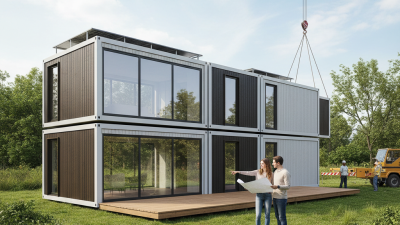
Many projects incorporate solar panels and green insulation methods.
This combination allows for reduced energy consumption, further decreasing their carbon footprint.
Many users have reported lower utility bills after transitioning to these setups. Yet, some might question the
longevity of such structures. Over time, regular maintenance is vital to ensure durability.
It's essential to reflect on the balance between sustainability and initial investment costs.
Moreover, these containers can be deployed to remote areas quickly. Their mobility can aid in disaster
relief efforts. However, it's also critical to evaluate the overall impact on local ecosystems.
Using prefabricated containers is not a one-size-fits-all solution.
Each project must consider local resources and environmental factors thoroughly.