7 Best Boxcar Homes for Sale in 2026?
Boxcar homes are gaining attention in 2026 for their compact layouts, strong character, and flexible living potential. These homes often use repurposed railcars, steel frames, or boxcar-inspired designs. Their long, narrow profiles can create surprisingly useful interiors. Think warm timber walls, high windows, and a kitchen arranged along one efficient wall.
This guide explores seven boxcar homes for sale, focusing on design quality, condition, location, price, and practical renovation needs. Each property deserves more than attractive photographs. Buyers should inspect insulation, roof condition, plumbing, electrical systems, transport history, and local building requirements. A beautiful steel exterior may hide expensive corrosion. That detail matters.
We also consider how each home fits real daily life. Is there enough storage for winter clothing? Can furniture move through the entrance? Does the site provide reliable water, drainage, and internet access? These questions may feel ordinary, but they often shape long-term satisfaction.
Availability can change quickly.
The featured homes should be treated as a carefully researched starting point, not a substitute for professional inspections or current seller documents. Listing prices, features, and legal requirements may shift during 2026. Some properties may look ready for occupancy but still need meaningful work. That is an easy point to overlook.
With practical comparisons and clear limitations, this selection aims to help buyers evaluate character without ignoring risk. The best choice may not be the most dramatic home. It may be the one with sound construction, manageable costs, and a layout that works every morning.
What Are Boxcar Homes and Why Are They Popular in 2026?
What Are Boxcar Homes and Why Are They Popular in 2026?
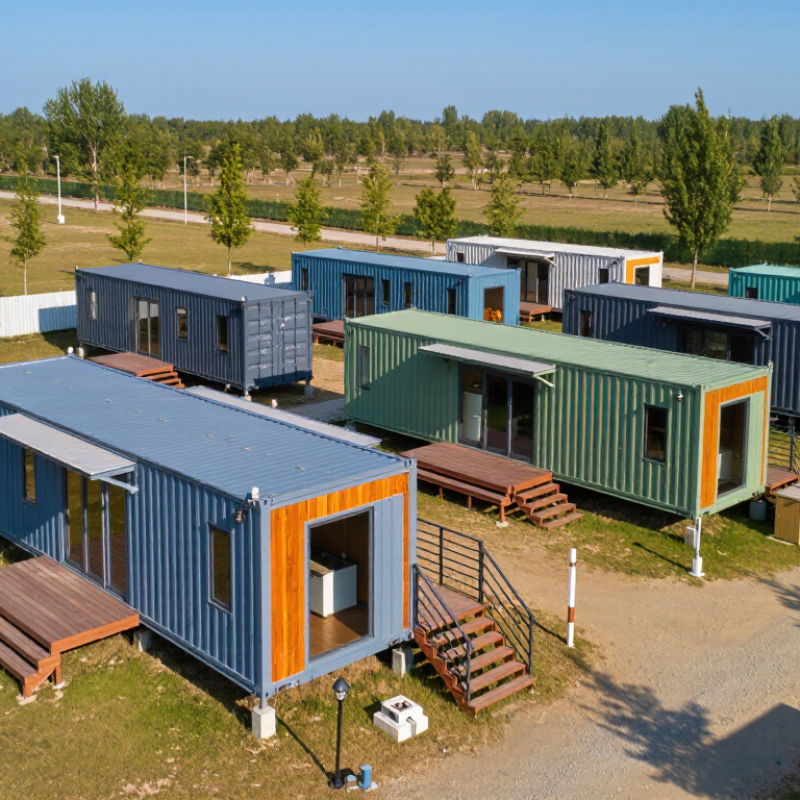
Boxcar homes reuse retired railway cars as compact living spaces. Their steel bodies, sliding doors, and long layouts create a distinctive industrial character. The term is loose, however. Some homes use genuine boxcars, while others copy the shape with modern framing. That difference affects insulation, transport, permits, and maintenance. The U.S. Census Bureau reported that completed new single-family homes had a median size of 2,411 square feet in 2023. Boxcar homes offer a sharper alternative, often using less space and fewer materials.
Their appeal connects with housing pressure and simpler living. Harvard’s Joint Center for Housing Studies estimated a national housing shortage of roughly 3.8 million homes in recent analysis. A compact boxcar conversion cannot solve that shortage. It can, however, provide a smaller footprint for suitable sites. The U.S. Department of Energy notes that efficient envelopes reduce heating and cooling demand. Steel alone does not guarantee efficiency. Poor thermal breaks can create cold interior walls, condensation, and uncomfortable bedrooms. That is the part many glossy listings skip.
Tips: Inspect rust around the floor, roof, and door tracks. Request documented insulation values and moisture testing. Confirm local zoning before paying a deposit. Measure furniture carefully; narrow corridors punish optimistic planning. A professional structural review is wise, even when the interior looks finished. Expect compromises. The charm is real, but comfort requires deliberate engineering.
7 Best Boxcar Homes for Sale in 2026
Boxcar homes are created by converting retired railroad freight cars into residential spaces. Their appeal comes from durable steel construction, open-plan layouts, compact footprints, and the potential to reuse existing structures. The chart compares estimated gross floor areas using seven common nominal boxcar lengths and a representative 10.5-foot exterior width.
How to read the chart: A 40-foot boxcar provides approximately 420 square feet of gross area, while a 70-foot boxcar provides approximately 735 square feet. These figures are calculated from nominal length × 10.5 feet of width; insulation, interior framing, utilities, and local building requirements reduce the final usable living area.
Seven Best Boxcar Homes for Sale in 2026
Seven Best Boxcar Homes for Sale in 2026
The seven best boxcar homes for sale in 2026 reflect practical design, efficient space, and strong renovation potential. A compact one-bedroom boxcar home suits buyers seeking a simple retreat with a private sleeping cabin. A two-bedroom layout works better for small families, especially when the kitchen connects directly to the living area. A restored steel-frame model offers character, exposed beams, and durable construction, but insulation must be checked carefully.
A modern boxcar home with large windows can provide bright interiors and attractive countryside views. A raised boxcar design creates useful storage beneath the living space. An off-grid model may include solar panels, rainwater collection, and a wood-burning heating system. A converted workshop-style home offers flexible space for artists, remote workers, or occasional guests. These homes differ widely in permits, transport costs, foundation requirements, and climate performance. I would not trust attractive photographs alone. Moisture damage can hide behind new wall panels.
Tips: Measure every doorway before delivery. Ask for structural inspection records and recent utility tests. Check local zoning rules before making an offer. Visit the property after rainfall, if possible. Small flaws matter. A slightly uneven floor may signal movement, while condensation around windows can reveal poor ventilation. Buyers should also compare insulation thickness, plumbing access, emergency exits, and long-term maintenance costs. A lower purchase price may become expensive after transport and site preparation.
Price, Location, and Legal Considerations for Buyers
7 Best Boxcar Homes for Sale in 2026?
Price, Location, and Legal Considerations for Buyers
The seven strongest boxcar homes for sale in 2026 may look affordable, but the purchase price tells only half the story. A renovated unit might cost $85,000, while transport, foundation work, utility connections, and permits add $35,000 or more. My first estimate was too optimistic. Buyers should request written quotes before making an offer. Check the roof, steel frame, insulation, windows, plumbing, and signs of corrosion during an independent inspection.
Location changes the budget quickly. A rural plot may offer space and lower land prices, yet road access can be difficult for a large delivery vehicle. Urban land may provide better services but stricter zoning rules and higher taxes. Visit the site after heavy rain. Look for standing water, narrow turns, overhead cables, and nearby noise. These small details often become expensive problems.
Legal approval deserves careful attention. Confirm that local authorities permit residential use, permanent placement, and the proposed foundation type. Review the land title, easements, building setbacks, fire standards, energy rules, and wastewater requirements. Ask whether the home needs planning permission, construction approval, or a certificate of occupancy. Financing and insurance may also be limited for converted structures. Never rely only on a seller’s verbal assurance. Get every condition in writing, and allow extra time for corrections.
How to Choose the Right Boxcar Home for Your Needs
How to Choose the Right Boxcar Home for Your Needs
When comparing seven boxcar homes for sale in 2026, start with daily routines, not decoration. Measure the interior twice. A narrow railcar may fit a bed, galley kitchen, and compact bathroom, but storage can disappear quickly. The U.S. Census Bureau reported that the median new home size was about 2,411 square feet in 2023. That comparison matters. Boxcar living requires deliberate space planning and fewer possessions.
Inspect the steel body, roof seams, underfloor, and wheel-well areas with a qualified surveyor. Look for hidden rust, water staining, uneven floors, and patched openings. Ask for structural calculations, insulation specifications, electrical records, and local permit evidence. The International Energy Conservation Code emphasizes insulation, air sealing, and efficient mechanical systems. These details affect comfort more than a polished interior. The U.S. Energy Information Administration’s 2020 Residential Energy Consumption Survey found that space heating used about 42% of household energy. Poor insulation can therefore create expensive winter bills. I would not trust fresh paint alone. It can hide problems.
Tips: Choose a layout around your real morning routine. Test door widths with furniture measurements. Check whether the site allows delivery and crane access. Confirm water, sewage, power, and foundation requirements before paying a deposit. A home that looks affordable may need major site work. I once underestimated that risk. Mistakes are costly. Also, ask how the boxcar was modified and whether corrosion treatment has been documented. A professional inspection is not optional.