How to Build Box Homes for Sustainable Living Solutions?
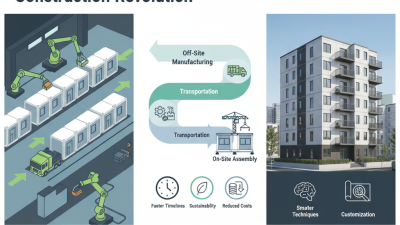
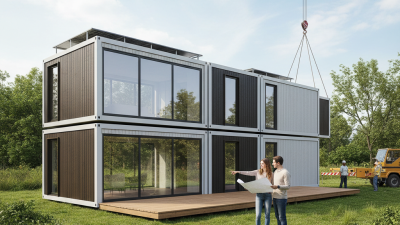
As the world shifts towards sustainability, box homes emerge as a practical solution. Renowned architect Emma Green states, “Box homes redefine simplicity and efficiency in modern living.” These dwellings, defined by their modular design, promise minimal environmental impact. With their compact structures, they can easily integrate into various landscapes, promoting harmony with nature.
Box homes offer numerous advantages, such as cost-effectiveness and energy efficiency. Their design allows for smart use of space, ensuring functionality without excess. However, some critics argue that box homes lack the warmth of traditional houses. They can feel stark and uninviting. This raises an important question: Can we create box homes that are both sustainable and welcoming?
Building box homes requires attention to detail. Choosing eco-friendly materials is crucial, as is understanding local climate conditions. Thoughtful design can enhance livability, making these homes not just sustainable but also comfortable. Yet, balancing innovation with aesthetic appeal remains a challenge. Moving forward, it is essential to reflect on how to improve these essential living solutions.
Understanding the Principles of Sustainable Box Home Design
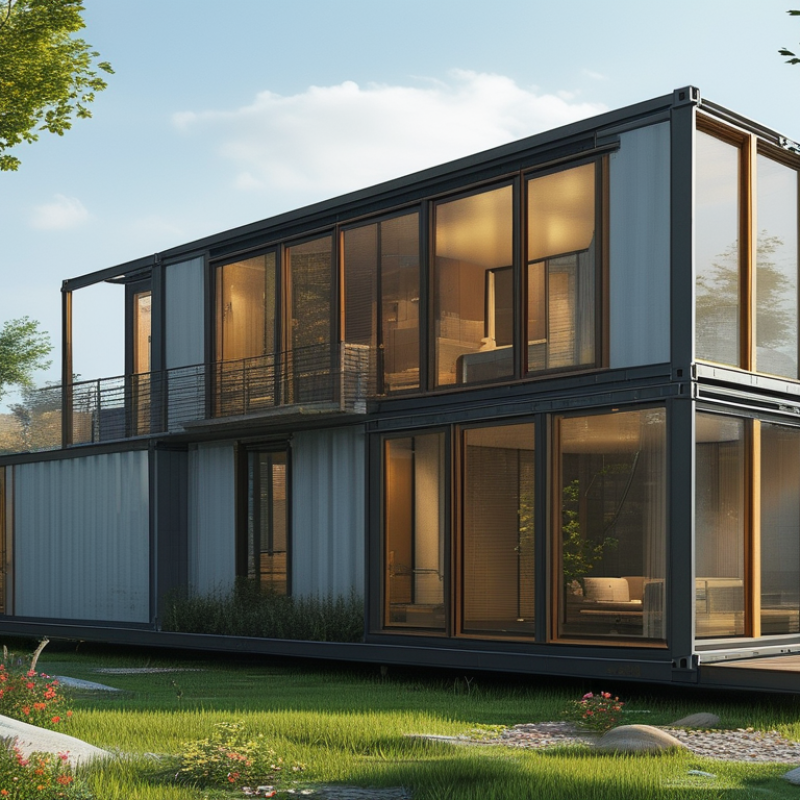
Sustainable box home design is rooted in several core principles. Efficiency is crucial. Using minimal materials and space helps reduce waste. Cozy, compact designs create a smaller environmental footprint. Emphasis on natural light enhances energy efficiency and well-being. Large windows can bring in sunlight, reducing electricity needs during the day.
Another principle is the use of renewable resources. Incorporating eco-friendly materials such as reclaimed wood or bamboo can make a significant difference. Insulation plays a vital role in energy conservation. Using eco-insulation from natural fibers can maintain temperature control while minimizing environmental impact. Designing for airflow can also reduce reliance on artificial heating and cooling systems.
Reflection on location is important too. Box homes should blend with their surroundings. This can pose challenges in urban areas. Zoning laws and neighborhood aesthetics may not always accommodate such designs. Building sustainably requires adapting to these limitations while maintaining eco-friendly goals. Embracing a flexible mindset allows for innovative solutions that still honor the essence of sustainable living.
How to Build Box Homes for Sustainable Living Solutions? - Understanding the Principles of Sustainable Box Home Design
| Dimension |
Description |
Benefits |
Materials Used |
| Size |
Typically 400 to 800 square feet |
Promotes efficient use of space |
Recycled steel, wood |
| Energy Efficiency |
Optimized insulation, energy-efficient appliances |
Reduces utility costs, lowers carbon footprint |
Solar panels, LED lights |
| Water Management |
Rainwater harvesting systems |
Conserves water, reduces dependency on local supply |
Pipes, storage tanks |
| Sustainability |
Use of eco-friendly materials |
Minimizes environmental impact |
Bamboo, reclaimed wood |
| Design Flexibility |
Modular and customizable designs |
Adapts to different lifestyles and needs |
Steel framing, prefabricated sections |
Choosing the Right Materials for Eco-Friendly Box Homes
Building eco-friendly box homes starts with choosing the right materials. Sustainable living solutions depend on using resources that are renewable and non-toxic. Wood, bamboo, and recycled materials are excellent choices. They minimize environmental impact and enhance the home’s aesthetic appeal. Natural materials can create a cozy and inviting atmosphere while promoting energy efficiency.
When selecting materials, consider their lifecycle. Are they sourced responsibly? Look for local suppliers to reduce transportation emissions. Using reclaimed wood from old buildings is a practical approach. It prevents waste and gives character to your home. Bamboo is another strong option, as it grows quickly and sequesters carbon effectively.
Creating durable box homes requires balancing eco-friendliness with practicality. Aim for materials that offer insulation and durability without harming the planet. Reflect on your choices. Can they be sourced sustainably? Are there alternatives that could reduce your ecological footprint? Engage with local communities for insights. Sustainable living is a journey that evolves. Each choice we make can contribute to a better environment.
Material Usage for Eco-Friendly Box Homes
Step-by-Step Construction Process for Box Homes
Building box homes requires careful planning and execution. Begin by choosing a suitable site. Consider factors like sunlight, wind direction, and access to resources. A solid foundation is essential. Use concrete blocks or treated lumber to ensure your home can withstand environmental pressures. Measure carefully to maintain balance and stability throughout construction.
Next, focus on the framing. Box homes typically use wood or metal for structure. Strength and insulation are vital for sustainability. Use recycled materials whenever possible. Proper insulation not only conserves energy but reduces costs in the long run. Pay close attention to zoning laws and building codes. Not everyone is aware of them, and overlooking these may complicate the process.
As you move to the finishing touches, think about energy efficiency. Install solar panels or rainwater collection systems. These features enhance sustainability but come with a learning curve. Some homeowners face challenges with system integration. Be prepared for adjustments. Each box home is unique, and what works for one may not for another. Embrace these imperfections; they offer valuable lessons for your next project.
Integrating Renewable Energy Solutions in Box Homes
Integrating renewable energy solutions into box homes is essential for sustainable living. These homes can effectively utilize solar panels. According to the International Renewable Energy Agency, solar energy has the potential to meet over 20% of global energy demands by 2040. This is particularly important as the world shifts toward greener energy.
Wind energy is another viable option. A study from the Global Wind Energy Council indicates that wind power can provide up to 35% of electricity in certain regions. Box homes, built in windy areas, can take advantage of this resource. Installing small wind turbines can supplement energy needs significantly.
Water conservation systems should also be considered. Rainwater harvesting can reduce dependency on municipal water sources. The Environmental Protection Agency states that on average, residences can save more than 50% of their water usage through such systems. While challenges exist, such as upfront costs and maintenance, these solutions pave the way for greater energy independence. Engaging with local communities for knowledge and resources can help in overcoming some of these hurdles.
Landscaping and Maintenance for Sustainable Living Spaces
Landscaping plays a crucial role in building box homes for sustainable living. Thoughtfully designed outdoor spaces can enhance both aesthetics and function. Green roofs, for instance, can lower heat absorption. According to the U.S. Environmental Protection Agency, green roofs can reduce urban heat islands by 4 to 7 degrees Fahrenheit. Integrating native plants into landscaping not only supports local ecosystems but also minimizes water usage. Native plants require less maintenance and are better adapted to local climate conditions.
Maintenance is another essential aspect of sustainable living spaces. Regular care can ensure longevity and efficiency. Rainwater harvesting systems need periodic checks to maintain water quality. A study by the World Resources Institute highlights that proper maintenance of green infrastructure can improve stormwater management efficiency by up to 30%. However, not all homeowners prioritize or understand these maintenance needs, leading to potential system failures. Regularly educating residents about maintenance practices is vital for sustainability.
Creating biodiversity-rich environments can be challenging. Finding the right balance while navigating landscaping choices may require trial and error. It’s important to observe how plants interact in certain spaces. This careful observation allows for adjustments, ensuring a thriving ecosystem. While aiming for beauty and functionality, recognizing the need for adaptability in landscaping is key to successful sustainable living.