China Top 10 Prefab Building Manufacturers?
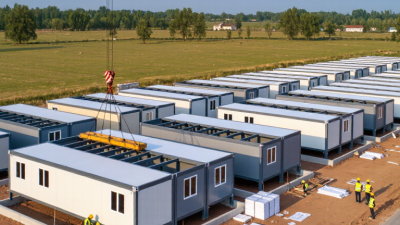
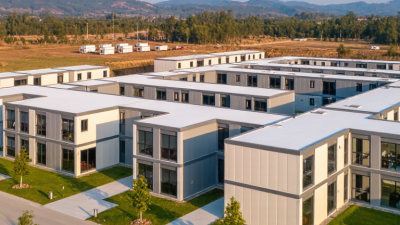
China’s prefab buildings sector has moved from basic site cabins toward engineered homes, modular schools, hospitals, offices, and worker accommodation. Yet choosing a manufacturer requires more than comparing factory size or website claims.
This guide examines China’s top 10 prefab building manufacturers through practical criteria. These include production capacity, design expertise, material quality, certification, export experience, installation support, and after-sales service. A large factory is not automatically a reliable partner. Sometimes, a smaller supplier communicates better and solves site problems faster.
Mark Farmer, a recognized construction-industry advisor, has warned, “Modern Methods of Construction are not a silver bullet.” That caution matters here. Prefabrication can reduce waste, shorten schedules, and improve quality control. However, weak drawings, unclear specifications, or poor transport planning can erase those benefits.
The comparison considers how each manufacturer handles real project details. Can the company provide structural calculations? Does it offer fire-rated wall systems? How are doors, windows, plumbing, and electrical connections inspected? Can its engineers respond when a container arrives with damaged panels?
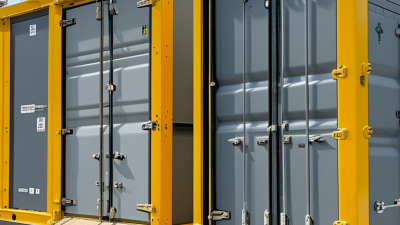
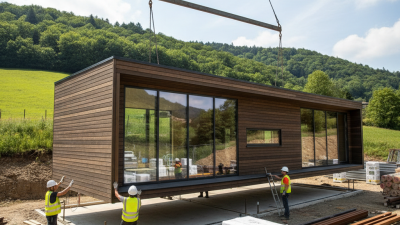
China’s leading manufacturers do not all serve the same market. Some focus on steel structures and warehouses. Others produce expandable homes, container offices, luxury villas, or complete modular buildings. Their pricing also depends on insulation standards, interior finishes, shipping distance, and local building requirements.
This list is useful, but not perfect. Supplier rankings can change. Product quality may vary between projects. Buyers should verify current certificates, visit completed sites, and request detailed quotations before signing any agreement.
What Defines a Leading Prefab Building Manufacturer in China?
A leading prefab building manufacturer in China is defined by more than factory size or export volume. It combines practical experience, engineering depth, and dependable quality control. The strongest manufacturers understand local climate, seismic conditions, transport limits, and installation realities before producing a single panel.
Quality should be visible at the factory floor. Inspectors check steel thickness, weld consistency, bolt placement, insulation density, and protective coatings. Digital production records make these checks easier to verify.
Clear testing documents also show whether materials meet project specifications and applicable building standards. Experienced engineers should review structural loads, fire performance, drainage, and energy efficiency.
Small details matter. A poorly sealed joint can cause moisture problems months later.
Communication is another defining measure. Reliable manufacturers provide drawings, component lists, installation guidance, and realistic delivery schedules. They explain risks instead of hiding them. Site support is valuable when crews face unfamiliar connections or unexpected ground conditions. References from completed projects can reveal more than polished brochures.
No factory gets every detail right. That admission matters. A trustworthy manufacturer records defects, corrects root causes, and welcomes independent inspection. Some suppliers may offer attractive prices but weak documentation or limited after-sales support. This can create expensive delays. Buyers should assess production capacity, technical credentials, material traceability, and long-term service before signing a contract. The best partner is not always the largest one. It is the manufacturer that delivers evidence, responds clearly, and accepts responsibility when conditions change.
China’s Top 10 Prefab Building Manufacturers
China’s top 10 prefab building manufacturers reflect a rapidly maturing construction sector. These companies typically combine design, engineering, manufacturing, and on-site installation. Their factories produce steel frames, insulated wall panels, modular rooms, roofing systems, and plumbing components under controlled conditions.
A reliable comparison should examine more than production capacity. Buyers should review structural calculations, welding procedures, material certificates, fire-resistance tests, and quality records. Factory experience also matters. A manufacturer serving coastal projects may understand corrosion protection better than one focused on inland housing. Sample inspections can reveal uneven coatings, weak joints, or poor panel alignment before shipment.
Delivery performance deserves close attention. Clear drawings, realistic schedules, export packaging, and responsive technical support often decide whether a project succeeds. Some manufacturers offer impressive catalogs but provide limited after-sales guidance. That weakness is easy to overlook. Rankings can also change as certifications, equipment, and management systems develop. Therefore, the top ten should be viewed as a practical shortlist, not a permanent judgment. Independent inspections, verified project references, and contract-based quality requirements remain essential for dependable procurement.
Main Products and Construction Systems Offered
China’s top 10 prefab building manufacturers typically offer more than factory-made rooms. Their product ranges often include light-gauge steel frames, precast concrete panels, volumetric modules, sandwich panels, and integrated bathroom pods. Some suppliers also provide roofing, insulation, windows, electrical systems, and plumbing assemblies. This broader package can reduce site work, but it also increases coordination risks.
Construction systems differ by project type. Light-gauge steel suits schools, worker housing, and low-rise commercial buildings. Precast concrete provides strong fire resistance and acoustic performance. Volumetric modules arrive with interior finishes, fixtures, and MEP connections already installed. Hybrid systems combine steel frames with concrete floors or panelized walls. McKinsey’s 2019 report, Modular construction: From projects to products, found that modular methods can shorten schedules by up to 50% and reduce costs by about 20% in suitable projects.
Energy performance deserves closer attention. The United Nations Environment Programme reported that buildings consumed 34% of global energy and produced 37% of energy-related emissions in 2022. Therefore, serious manufacturers should provide U-values, fire-test results, acoustic ratings, connection details, and lifecycle data. BIM files and factory quality records add practical confidence. Still, not every factory delivers consistent tolerances. A sample inspection may reveal small but expensive gaps around panels, doors, or service openings. That uncomfortable check matters.
Quality Standards, Production Capacity, and Project Experience
China Top 10 Prefab Building Manufacturers?
When evaluating China’s top ten prefab building manufacturers, quality standards should come before attractive pricing. Reliable factories usually operate under documented quality systems and controlled inspection procedures. Look for certified materials, welding records, dimensional checks, and traceable component labels. Factory visits can reveal more than brochures. Inspect steel storage, panel assembly, coating areas, and final packing conditions. Small details matter, especially on large projects.
Production capacity also requires careful verification. A factory may advertise high annual output, but available capacity can change with seasonal orders. Ask for current workshop schedules, equipment lists, monthly production records, and realistic lead times. Project experience is equally important. Review completed buildings with similar climates, sizes, structural systems, and installation conditions. Request technical drawings, delivery evidence, and client references where possible. Photos alone are not enough.
Tips: Compare at least three factories using the same specification sheet. Check how each supplier handles design changes, replacement parts, site support, and delayed materials. A strong manufacturer explains risks clearly instead of promising everything. Some suppliers may have excellent equipment but limited overseas coordination experience. That weakness can become expensive during installation. Also, quality inspection should involve independent checks when project value or safety requirements are high. Mistakes can still happen; the real test is how openly they are recorded and corrected.
China Top 10 Prefab Building Manufacturers: Quality Standards, Production Capacity, and Project Experience
This chart uses national prefabricated-building floor-area data as a non-company production-capacity indicator. The rapid increase reflects the expanding project base available to manufacturers, while quality comparisons should be reviewed against applicable standards such as GB/T 51231 for assembled concrete buildings, GB/T 51232 for assembled steel buildings, and GB/T 51233 for assembled timber buildings.
Source: Publicly reported national statistics from China’s Ministry of Housing and Urban-Rural Development; figures are rounded and shown in million square metres.
How to Choose the Right Prefab Building Manufacturer
How to Choose the Right Prefab Building Manufacturer
Choosing a prefab building manufacturer requires more than comparing factory prices.
Review its experience with projects similar to yours. Check completed buildings, construction photos, client references, and delivery records. A reliable manufacturer should explain its design process clearly. It should also provide structural calculations, material specifications, and quality-control procedures.
Ask whether the team understands your local building codes, climate, and installation conditions. A coastal project may need stronger corrosion protection. A cold region may require improved insulation and airtight joints.
Request samples of wall panels, windows, flooring, and connection details. Small samples reveal workmanship better than polished brochures.
Visit the factory if possible. Watch how workers measure, weld, seal, and inspect components. Clean production areas are useful evidence, but they do not prove everything.
Compare the full project cost, not only the quoted unit price.
Include transport, foundations, site equipment, permits, installation, maintenance, and possible delays. Confirm who handles engineering changes and damaged components. These details should appear in the contract, with clear inspection stages and payment terms. Some manufacturers promise fast delivery but depend on outside suppliers. That risk is easy to miss. Ask for a realistic production schedule and backup plan. You should also check communication during a trial design review. Slow or vague replies may become expensive later. No manufacturer is perfect. A thoughtful buyer leaves room for errors, inspections, and redesigns before shipment.