How to Choose the Best Prefab Units for Your Project?
Choosing the right prefab units can shape your project’s cost, schedule, comfort, and long-term performance. The decision is not simply about selecting attractive factory-built rooms. It requires careful attention to site conditions, transport access, structural requirements, energy use, and future maintenance. A unit that looks efficient online may become expensive when cranes cannot reach the foundation. Small details matter.
Michelle Kaufmann, an architect and recognized prefab housing pioneer, once said, “Prefab is not a style; it’s a process.” Her statement remains useful because prefab units are defined by planning and production methods, not by one fixed appearance. Good selection begins with clear project goals. Consider how many occupants will use the space, how quickly installation must happen, and whether the units may need relocation later. Check ceiling heights, insulation ratings, plumbing routes, fire safety features, and connection points before signing an agreement.
Experience also reveals uncomfortable gaps. Product brochures rarely show muddy access roads, delayed permits, or difficult utility connections. They should. Ask manufacturers for installation records, tested specifications, warranty terms, and references from comparable projects. Visit a completed site if possible. Listen for movement underfoot. Inspect door alignment, seals, finishes, and ventilation.
There is no universal winner. The best prefab units balance technical performance, practical logistics, and honest lifecycle costs. This guide will help you compare those factors clearly, while leaving room for one important question: what might your initial plan be missing?
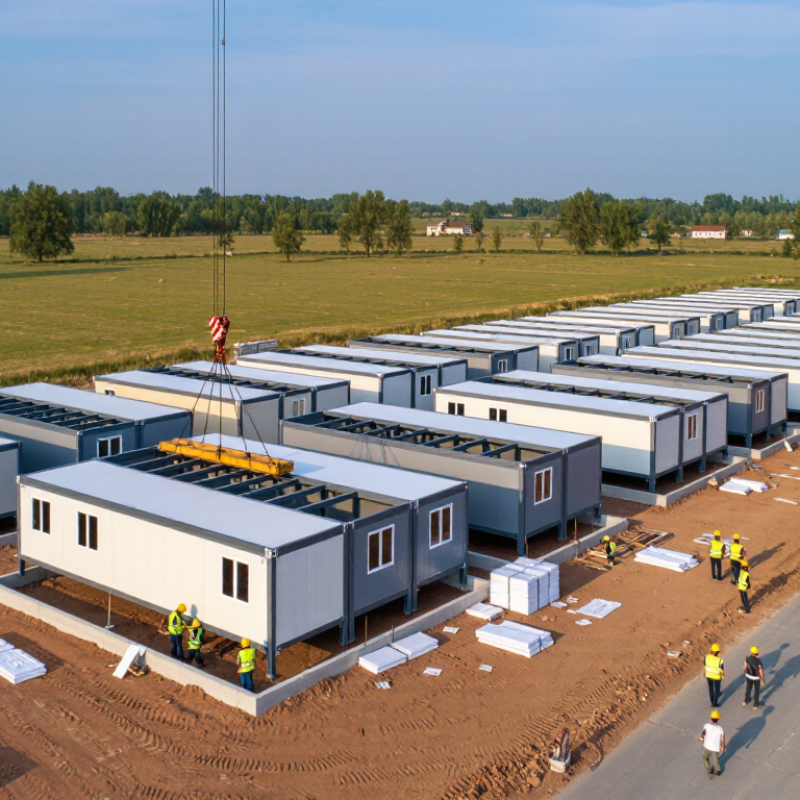
Define Project Requirements: Space, Codes, Budget, and Delivery Schedule
Choosing the best prefab unit starts with a clear project definition. Measure the usable space, access routes, ceiling height, and service locations. A unit may fit the site but fail during delivery. Check whether cranes, trucks, or temporary road closures are possible.
Building codes also shape the design. Confirm requirements for fire safety, insulation, electrical systems, plumbing, accessibility, and emergency exits. Local authorities may request drawings, permits, or inspections before installation. Speak with qualified professionals early. They can identify code conflicts before fabrication begins. My early estimates were too optimistic, especially for site preparation and utility connections. That mistake taught me to include a visible contingency in the budget.
Budget planning should cover more than the unit price. Include transport, foundations, lifting equipment, site work, permits, utility connections, testing, and future maintenance. Then match the design with your delivery schedule. Manufacturing, approvals, weather, and site readiness can all affect the handover date. A rushed decision may create expensive changes later.
Tips: Write every requirement in one document. Add exact dimensions, preferred materials, code responsibilities, budget limits, and target dates. Ask suppliers for a complete delivery scope. Confirm what is included and what remains your responsibility. Keep spare time in the schedule. Ten quiet days can prevent serious disruption. Recheck your assumptions after the first site visit.
Evaluate Suppliers Using ISO 9001, QA Records, and 20–50% Faster Delivery
Choosing the best prefab units starts with examining how a supplier controls quality before production begins. ISO 9001 certification can indicate a documented management system, but it is not automatic proof of excellent workmanship. Ask how procedures are applied on the factory floor. Request recent QA records, inspection checklists, material certificates, and corrective-action reports.
Delivery speed deserves equal attention. Some experienced suppliers achieve 20–50% faster delivery through standardized designs, repeatable assembly, and early procurement. However, the percentage depends on project size, customization, approvals, and transport distance. Do not accept a broad promise without evidence. Compare a dated production schedule with actual completion records from similar projects.
Walk through the inspection process with the supplier. Check weld samples, sealant lines, floor levels, door alignment, and electrical testing records. Photographs help, but live inspections reveal more. Ask who signs each quality checkpoint and what happens when a unit fails inspection. A reliable supplier should explain the response clearly, without hiding delays or rework.
I have seen fast programs lose time because drawings were not frozen early enough. Speed can expose weak coordination. Review communication routines, document control, packaging methods, and delivery tracking before signing. One overlooked connection detail may create expensive site work. A smaller supplier with complete QA evidence may be safer than a larger supplier with impressive claims but incomplete records. Expect questions from both sides. That is often a healthy sign.
Verify Total Costs: Design, Transport, Installation, and Lifecycle Expenses
Choosing the best prefab unit starts with the complete cost, not the factory price. Ask for design fees, engineering changes, permits, transport, crane access, installation, utility connections, and site preparation. McKinsey’s modular construction research reports potential cost savings of up to 20% and schedule reductions of 20% to 50%. These gains depend on early planning. A late design change can erase them quickly.
Transport needs careful checking. Measure road widths, bridge limits, turning space, and delivery timing. A unit may fit the site but fail at the final corner. Include escort requirements, temporary storage, lifting equipment, and weather delays. Installation costs also rise when foundations are inaccurate. The cheapest quote can still be wrong. A spreadsheet may miss the muddy access road.
Tips: Request a line-by-line quotation and a five-year operating estimate. Compare insulation, heating, cooling, maintenance, replacement parts, and expected service life. The International Energy Agency reports that buildings consume about 30% of global final energy. Efficient windows, airtight construction, and durable finishes may cost more initially. They can reduce utility and repair expenses over time. Test the assumptions with a local contractor. One weakness remains: lifecycle forecasts depend on usage, climate, and maintenance discipline. Build a contingency allowance instead of pretending every number is certain.
How to Choose the Best Prefab Units for Your Project?
Verify Total Costs: Design, Transport, Installation, and Lifecycle Expenses
The chart compares representative total costs for three common prefab unit approaches over a 20-year evaluation period. Costs are shown in USD per square foot and include design, transport, installation, and estimated lifecycle expenses such as maintenance, repairs, and component replacement. Actual costs vary by location, project scale, site conditions, specifications, and service life.
Measure Project Benefits: 20–50% Faster Builds and Up to 90% Less Waste
How to Choose the Best Prefab Units for Your Project?
Prefab selection should begin with measurable project benefits, not attractive floor plans. A 2019 McKinsey analysis found that modular construction can deliver projects 20–50% faster than conventional methods. That advantage depends on early coordination, repeatable designs, and reliable site access.
Measure doorway widths, crane reach, transport limits, and connection points before ordering units. A poorly planned module can arrive quickly and still create expensive delays.
Waste reduction is another practical measure. The UK Waste and Resources Action Programme reported that off-site construction can reduce material waste by up to 90% in suitable applications. Treat this figure as a potential benchmark, not a guarantee.
Track cutting waste, damaged materials, packaging, and unused components on each phase. Small details matter. For example, pre-installed bathroom units can reduce on-site packaging and shorten wet-trade work. However, custom changes made late may weaken both savings and schedule performance.
The United Nations Environment Programme’s 2023 buildings report also identifies construction as a major source of global material use and emissions, strengthening the case for efficient prefabrication.
Project teams should compare whole-life results, including transport fuel, repairs, adaptability, and end-of-use recovery.
My own review of prefab plans has found one recurring mistake: teams count factory speed, but overlook site preparation. That gap deserves honest measurement.