Top Modular Homes in China for Global Buyers Seeking Quality?
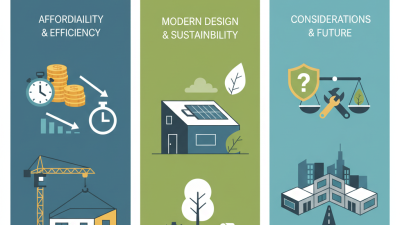
As the demand for quality housing grows globally, modular homes have emerged as an attractive solution. In China, innovative companies are redefining the concept of home building. These modular homes offer flexibility and design versatility. They cater to diverse tastes and budgets, appealing to buyers around the world.
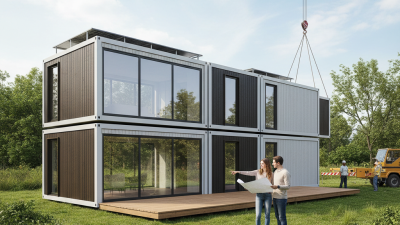
The construction process of modular homes is faster compared to traditional methods. Components are constructed off-site and assembled on location. This efficiency not only reduces labor costs but also minimizes construction waste. Yet, it’s important to consider long-term sustainability and environmental impact.
Many buyers might have concerns about the durability and safety of modular homes. However, modern designs meet stringent safety standards and regulations. While modular homes have gained popularity, potential buyers should research manufacturers thoroughly. This is crucial to ensure quality and reliability. Ultimately, investing in a modular home can be a smart choice for those seeking quality and affordability in housing.
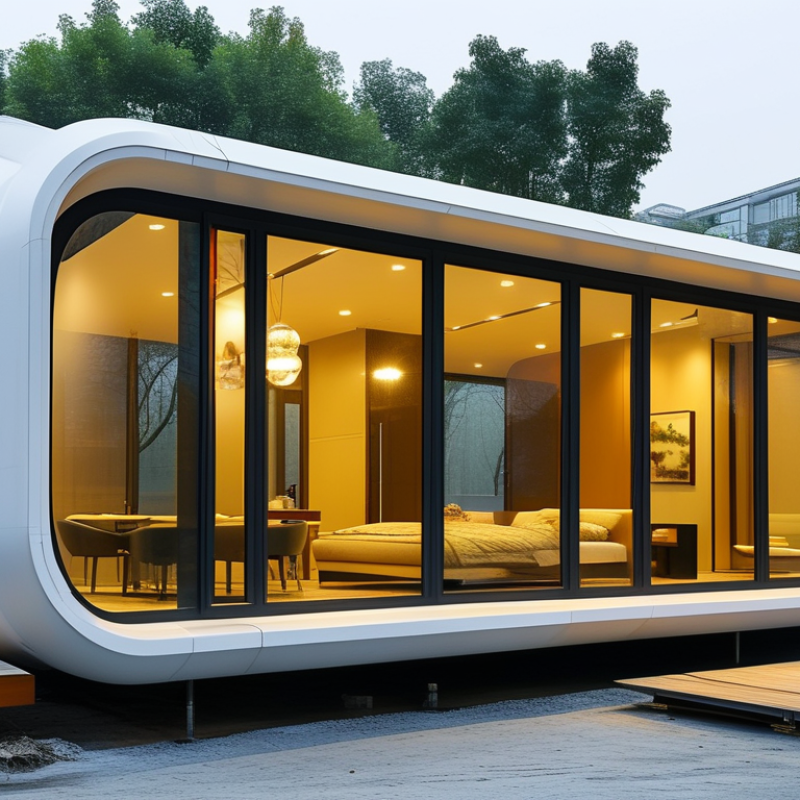
Top Modular Homes in China: An Overview of Key Market Trends
The modular home market in China is rapidly evolving. Many global buyers are drawn to this trend due to its potential for high quality and efficiency. Chinese manufacturers are adopting innovative methods to build homes quickly. These homes often feature eco-friendly materials and modern designs. Buyers appreciate the speed and flexibility that modular construction offers.
Despite the advantages, challenges exist. Quality control can vary between manufacturers. Buyers need to conduct thorough research before making a decision. Understanding local regulations and building codes is essential. Some buyers may also face language barriers when communicating with manufacturers.
Emerging technologies are shaping the future of modular homes. Smart home features are becoming increasingly common. These technologies improve energy efficiency and enhance comfort. However, the need for skilled labor remains a significant concern. The industry must address workforce training to keep up with demand. Knowing these trends is crucial for prospective buyers around the globe.
Quality Assurance Standards and Certifications in China's Modular Housing
In recent years, modular homes have gained popularity in China, attracting global buyers. Quality assurance is essential for these homes. Various standards and certifications ensure that potential buyers receive reliable products. Many companies follow ISO certifications, which enhance credibility.
An important aspect of quality assurance is materials used. High-quality materials contribute to durability and energy efficiency. It is crucial to verify certifications for both materials and construction processes. Some buyers overlook this, but it's vital for long-term satisfaction.
Modular homes should meet specific safety standards as well. Look for warranties that cover structural integrity. This can provide peace of mind for buyers. When purchasing, consider having an independent inspection. This can reveal potential issues that might not be obvious.
Researching local regulations can also enhance buyer confidence. Different regions in China may have varying standards. Understanding these can help in making informed decisions. Reliable manufacturers will provide transparent information about their compliance with regulations.
Top Modular Homes in China for Global Buyers Seeking Quality
| Model |
Size (sq ft) |
Price (USD) |
Key Features |
Quality Assurance Standard |
| EcoHome |
800 |
$60,000 |
Energy-efficient, Modular design, Sustainable materials |
ISO 9001, CE Certification |
| Family Haven |
1200 |
$85,000 |
Spacious layout, Modern amenities, Eco-friendly |
ISO 14001, Green Building Certification |
| Luxury Lodge |
1500 |
$150,000 |
High-end finishes, Smart home technology, Custom designs |
LEED Certification, ISO 9001 |
| Compact Unit |
400 |
$40,000 |
Space-saving design, Quick assembly, Affordable |
ISO 9001, Green Building Certification |
Cost Analysis: Comparing Modular Homes in China and Global Markets
In recent years, modular homes in China have gained attention from global buyers. Their affordability and efficiency are key attractions. A recent market report from the International Modular Homes Association estimates that Chinese modular homes can be up to 30% cheaper than traditional housing in Western markets. This price gap encourages buyers looking for cost-effective solutions without compromising on quality.
Quality control remains a crucial factor. Chinese manufacturers have improved their standards significantly. A study by the China Building Materials Federation highlights that 75% of modular homes now meet or exceed international building codes. While these homes promise durability, some concerns linger regarding long-term performance. Potential buyers should consider the local climate and material longevity when making decisions.
The rapid construction timeline is another appealing aspect. Modular homes can be built in weeks compared to months for conventional homes. However, quicker construction might affect thorough inspections. Buyers must weigh these factors. They could save on initial costs but face potential challenges later. It is vital to conduct rigorous research and inspections throughout the process.
Innovative Technologies in Chinese Modular Home Construction
In recent years, modular homes have gained popularity in China. Innovative technologies drive this trend, creating attractive options for global buyers. One of the most notable advancements is the use of prefabricated components. These modules are built in factories, ensuring consistent quality. This method reduces construction time significantly. It can also lower labor costs.
Another fascinating development is the integration of smart home technology. Many modular homes now feature advanced systems for energy management. Homeowners can monitor energy use from their smartphones. This technology not only boosts efficiency but also enhances sustainability. However, the reliance on smart systems raises concerns about data security. Buyers need to consider potential vulnerabilities.
Moreover, environmentally friendly materials are being prioritized in construction. By using recycled and sustainable resources, the industry aims to reduce its carbon footprint. Yet, it is worth noting that the use of such materials often comes with higher costs. Buyers may be faced with the challenge of balancing sustainability with budget constraints. While these innovations are promising, they require careful evaluation.
Sustainability Practices and Environmental Impact of Modular Homes in China
Modular homes in China are gaining attention for their sustainable practices. These homes are built in controlled environments, which reduces waste significantly. The components are prefabricated, ensuring precision and minimizing material loss. This efficient approach lowers the environmental impact associated with traditional construction methods.
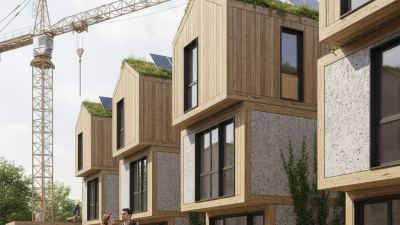
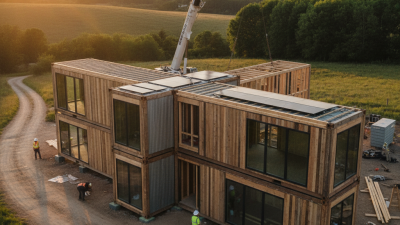
Many modular homes utilize eco-friendly materials. Bamboo and recycled metals are common choices. These materials not only enhance durability but also contribute to a smaller carbon footprint. Additionally, solar panels are often integrated into designs, promoting energy efficiency. Despite these benefits, it's essential to weigh the overall environmental cost of transport and assembly.
When considering modular homes, here are a few insights. Research local regulations related to modular construction. Understand the potential challenges in logistics. Ensure that the materials used align with sustainability goals. Being informed can help make better decisions in the long term.
Impact of Modular Home Materials on Sustainability