Are Prefabricated Steel Homes the Future of Sustainable Living?
The emergence of prefabricated steel homes is reshaping the landscape of sustainable living. Industry expert Dr. Emily Grant emphasizes, "Prefabricated steel homes offer a unique blend of efficiency and sustainability." This innovation is gaining traction in a world increasingly concerned with environmental impact.
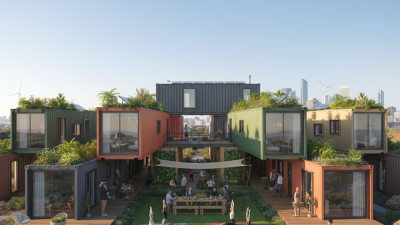
Prefabricated steel homes are not just cost-effective; they are also eco-friendly. Constructed in controlled environments, these homes minimize waste and resource use. However, the perception of steel being cold or uninviting often hinders wider acceptance. This reflects a need for better education on modern designs that merge functionality with aesthetic appeal.
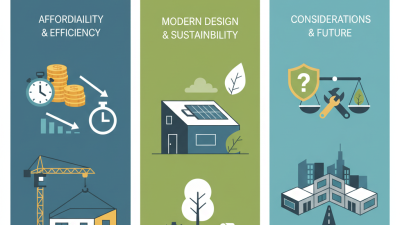
While there are limitations to prefabricated steel homes, the potential for reducing carbon footprints is significant. These structures can stand strong against natural disasters, enhancing their long-term viability. Yet, challenges remain in addressing misconceptions and market readiness. The conversation continues, as we explore if prefabricated steel homes are indeed the future of sustainable living.
What are Prefabricated Steel Homes and How Do They Work?
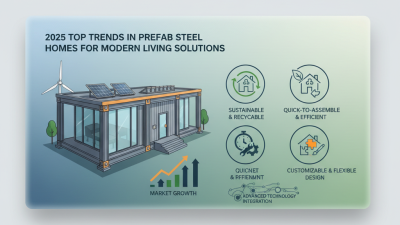
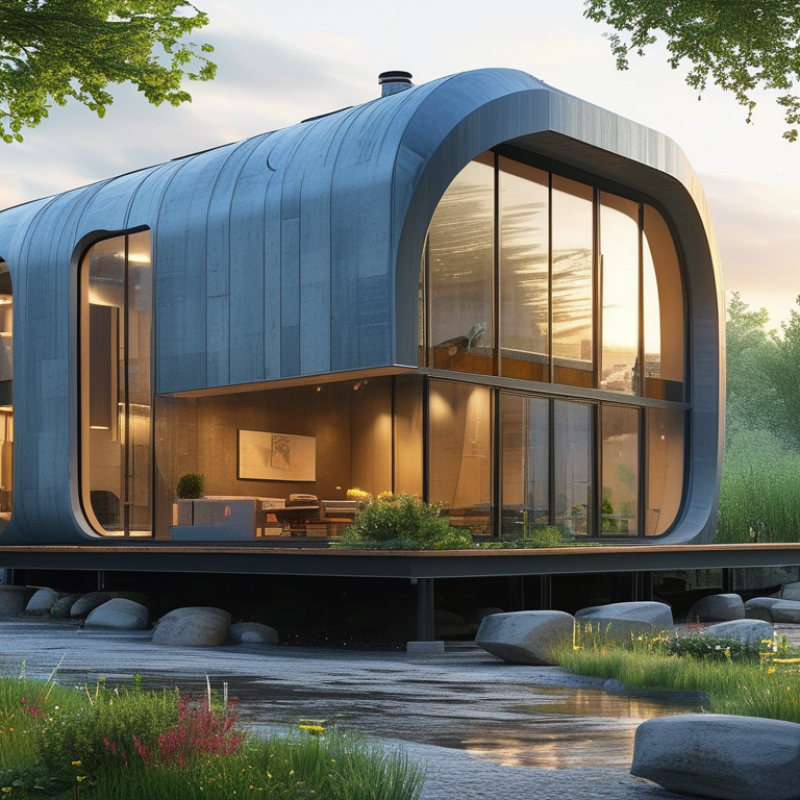
Prefabricated steel homes represent a creative solution in modern construction. They are built off-site, allowing for quick assembly at the desired location. This method reduces waste and minimizes the impact on the environment. The steel used is often recycled, adding to the sustainability aspect. Moreover, they can withstand various weather conditions, offering durability.
These homes employ modular designs, allowing for customized layouts. Cutting-edge technology aids in creating efficient energy systems. Dual-pane windows and insulated walls contribute to energy efficiency. However, the initial cost may be higher than traditional homes. This factor raises questions about affordability for many potential buyers.
Despite their advantages, some still view prefabricated steel homes with skepticism. The aesthetic appeal can vary significantly, and not every design suits every taste. Community acceptance is another hurdle. Navigating local regulations can prove complicated. As awareness grows, so does interest in this sustainable option. Ultimately, the future may hinge on how well these challenges are addressed.
Advantages of Prefabricated Steel Homes in Sustainable Living
Prefabricated steel homes present a compelling case for sustainable living. According to a report by the Steel Construction Institute, these homes can reduce construction waste by up to 80%. This significant reduction stems from precise manufacturing processes. By producing components in controlled environments, less material ends up as scrap on site, enhancing efficiency.
The energy efficiency of prefabricated steel homes is another crucial benefit. The U.S. Department of Energy states that steel structures can maintain higher thermal performance compared to traditional materials. They often require less energy for heating and cooling. Moreover, steel is 100% recyclable, making it a long-lasting, eco-friendly choice.
However, challenges remain. Some individuals express concerns about the aesthetic appeal of steel homes. The industrial look doesn't resonate with everyone. There is also the issue of initial costs. While steel prices can fluctuate, they sometimes deter homeowners from making sustainable choices. Understanding these factors is essential in promoting prefabricated steel homes as a viable sustainable option.
Environmental Impact of Prefabricated Steel Homes Compared to Traditional Homes
The environmental impact of prefabricated steel homes compared to traditional homes reveals significant advantages. Steel is 100% recyclable and can reduce construction waste by up to 90%. This is crucial as traditional home construction often results in substantial landfill contributions. A study indicates that prefabricated homes can use 50% less energy during construction than conventional methods. Their efficient design minimizes resource consumption.
Moreover, these steel structures have impressive insulation properties. They can reduce heating and cooling costs by 30%, which directly translates to lower carbon footprints. However, it's essential to consider the energy used in steel manufacturing. This process can be energy-intensive, which raises questions about sustainability. There is a need for improvements in the production phase to maximize the environmental benefits.
When thinking about community impacts, prefabricated homes can be set up in weeks rather than months. This speed can lessen disturbances in fragile ecosystems. Yet, local opposition may arise against their installation in certain areas. Understanding these challenges is part of advancing sustainable living practices.
Cost-Effectiveness of Building and Maintaining Steel Homes
Prefabricated steel homes offer significant advantages in cost-effectiveness. The initial investment in steel construction, while higher than traditional methods, often pays off over time. According to a 2022 report by the National Association of Home Builders, steel framing can reduce construction time by up to 25%. This efficiency translates to lower labor costs and expedited project timelines. Such benefits are particularly crucial in today’s fast-paced construction market.
Maintenance is another area where steel homes excel. They typically require less upkeep compared to wooden structures, which are prone to rot and pests. The U.S. Department of Energy reports that steel structures can last up to 40% longer than their wooden counterparts. However, steel is susceptible to corrosion. Homeowners must consider protective coatings, which can add to long-term costs. It is essential to weigh these factors when assessing overall cost-effectiveness.
Life-cycle assessments of prefabricated homes indicate that they can lead to significant savings. A study revealed that energy-efficient steel homes can reduce utility bills by 30% or more. While upfront challenges remain, the move towards sustainable living through steel homes reflects an evolving industry. As more data emerges, continuous evaluation of costs and benefits will shape future decisions in homebuilding.
Are Prefabricated Steel Homes the Future of Sustainable Living?
| Aspect |
Prefabricated Steel Homes |
Traditional Homes |
| Construction Time |
3-6 months |
6-12 months |
| Average Cost per Square Foot |
$100-$150 |
$150-$250 |
| Maintenance Cost (Annual) |
$600 |
$1,200 |
| Energy Efficiency Rating |
A+ |
B |
| Lifespan (Years) |
50+ |
30-50 |
Future Trends in Prefabricated Steel Housing and Sustainable Development
The trend towards prefabricated steel homes aligns closely with sustainable development goals. According to a recent report by the World Green Building Council, buildings account for 39% of global carbon emissions. Prefab constructions offer a way to reduce this impact. They can be manufactured in controlled environments, minimizing waste and energy use. The ability to reuse steel adds to its sustainability credentials.
In the United States, the prefab housing market is projected to grow by 6.5% annually from 2021 to 2028. This growth reflects increasing awareness around sustainability. Steel's durability leads to longer lifespans for homes, but questions remain regarding energy efficiency during use. Optional insulation and energy systems require further advancements.
Adapting to a changing climate demands innovation in construction. The use of steel poses challenges, including the emission of CO2 during manufacturing. While the benefits are promising, stakeholders must assess the balance between immediate advantages and long-term impacts. Developers and homeowners alike must remain informed about efficient practices and technologies to ensure true sustainability.
Are Prefabricated Steel Homes the Future of Sustainable Living?