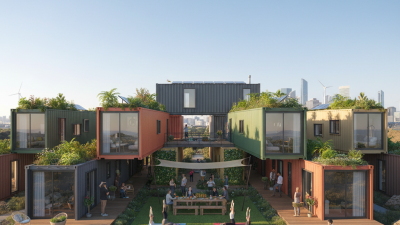
Best Container Homes in China for Sale and Prices
China’s container homes range from compact garden studios to two-storey family houses, but the price depends on more than the steel shell. Insulation, windows, plumbing, transport, and site preparation can change the final budget considerably. A low factory quote may exclude the concrete pads, crane hire, or interior fittings needed before move-in. Check the scope carefully.
McKinsey’s 2019 report, “Modular construction: From projects to products,” found that modular building can reduce construction time by 20–50% and costs by up to 20% in suitable projects. These figures describe modular construction broadly, not guaranteed savings for every container home. They offer useful context, not a price promise. For buyers comparing Chinese suppliers, ask for itemized quotations, material specifications, insulation details, and delivery terms. Also request recent project photos and clarify whether the quoted price includes installation.
Architect and prefabrication scholar John Quale is often associated with the useful principle, “Prefab is not a style; it’s a process.” That distinction matters: a shipping container is only a starting structure, and converting it into comfortable housing takes careful design. A home that looks crisp in a showroom may feel different in a humid summer or cold winter. This guide compares popular container homes in China, explains typical price factors, and highlights questions to ask before ordering. Exact costs vary. Verify every inclusion in writing.
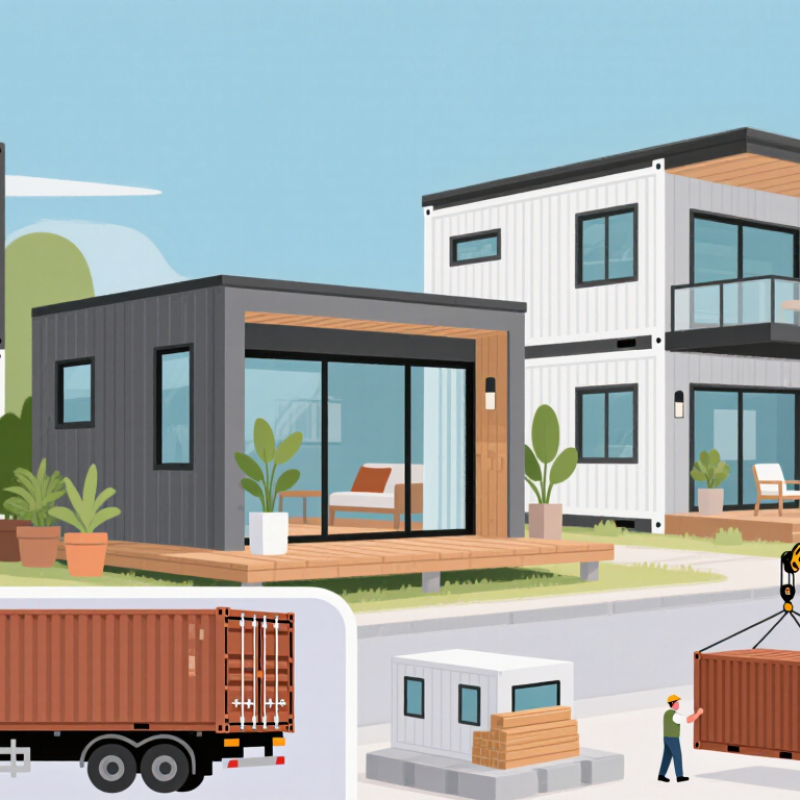
What Container Homes Are and How They Are Built
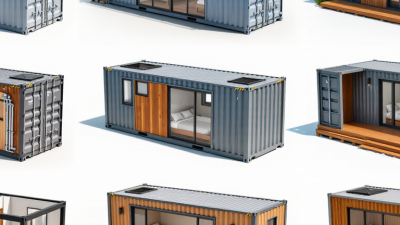
A container home uses a steel freight container as its structural starting point. Common layouts combine 20-foot or 40-foot units, but the container alone is not a finished home. That distinction matters. Openings for windows and doors can weaken steel walls, so builders may need engineered frames before adding insulation, interior finishes, and utilities.
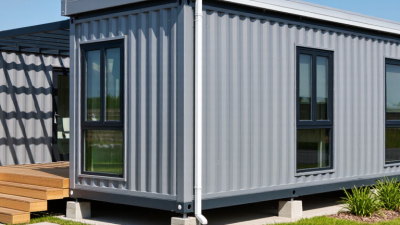
Construction usually begins with checking the container’s condition, dimensions, and floor structure. Workers then cut planned openings, reinforce the edges, and treat exposed steel against corrosion. Insulation and airtight layers follow, with careful detailing around corners and roof joints. Plumbing, wiring, ventilation, and drainage must fit within limited spaces. Small mistakes show up quickly. A cold metal corner, for example, can collect condensation if insulation and ventilation are poorly designed.
The International Energy Agency’s 2023 Buildings report estimates that building operations account for about 30% of global final energy use and 26% of energy-related emissions. This is why thermal performance deserves attention, even in a compact home. For buyers comparing container homes in China, ask what the quoted price includes: structural reinforcement, insulation, windows, electrical work, transport, and site preparation can vary. A low price may leave important work outside the package. And container construction is not automatically faster or cheaper; local climate, land conditions, and finish quality can change the result.
How to Compare Container Home Designs and Suppliers
When comparing container home designs in China, look beyond exterior shape.
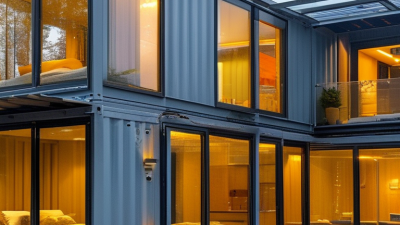
A wide glass wall may brighten a small living area, but it can also increase heat gain. Ask for wall, roof, and floor insulation details, plus window specifications. These matter more than attractive renderings.
Measure the usable interior width, not just the container’s outside dimensions. Check where doors, plumbing, and electrical outlets sit on the floor plan. A kitchen sink placed far from the bathroom may add installation work.
Small detail.
Ask suppliers for drawings with dimensions and clear lists of included materials. Prices can exclude foundations, transport, lifting, or interior fittings, so compare the same scope before deciding.
Supplier checks deserve equal attention.
Request recent project photos, material specifications, and written production timelines. If possible, inspect a finished unit or arrange a live video walkthrough. Look closely at welded joints, window seals, and areas where water could collect. Ask how the unit is prepared for your local climate, and confirm which documents are available for local review.
A polished brochure is not proof of performance.
I would be cautious about choosing the lowest quote alone; still, a higher price does not guarantee better workmanship. Some details are easy to miss, even after careful comparison.
Typical Prices and Factors That Affect Costs
Prices for container homes in China depend heavily on what “finished” includes. As a rough planning range, a basic 20-foot shell may cost US$5,000–12,000, while a fitted unit may be around US$12,000–30,000. These figures can shift with materials, specifications, and exchange rates. Larger homes made from several modules may cost considerably more. Check whether the quote includes interior walls, wiring, bathroom fixtures, and kitchen fittings.
The structure is only part of the bill. Insulation matters, especially in regions with hot summers or cold winters; thin wall panels may save money upfront but feel uncomfortable later. Window quality, steel thickness, fire-resistant materials, and interior finishes also affect price. Then add delivery, crane lifting, foundations, utility connections, and any required site preparation. Ask for an itemized quotation and drawings before comparing suppliers. A low quote can be useful, but it may leave out essentials. I would check the actual wall and roof specifications, not just the floor plan. One detail is easy to miss: transport costs can rise sharply when the destination is far from the factory.
Best Container Homes in China for Sale and Prices
Indicative price ranges in CNY for common container-home configurations. These are planning estimates, not standardized market prices or supplier quotes.
How to read the chart: Each bar shows an estimated low-to-high price range; the lower segment marks the starting estimate and the upper segment extends to the high estimate. Prices can vary with steel specifications, insulation, interior finish, plumbing and electrical fit-out, order quantity, and customization. Delivery, site preparation, installation, taxes, and utility connections may be extra.
How to Buy a Container Home and Arrange Delivery in China
Buying a container home in China starts with a clear specification, not a low headline price. Ask for the floor plan, steel thickness, insulation type, window details, and a list of included fittings. A quote may cover the unit but exclude inland freight, crane rental, foundation work, or utility connections. Request each cost in writing. Small gaps matter.
Before paying a deposit, confirm the finished dimensions and ask how the home will be protected during transport. Get delivery timing, payment stages, warranty terms, and inspection steps in the purchase agreement. Review photos or video of the actual unit, including welds, door seals, and electrical fittings. I would not rely on a polished showroom image alone; it can hide useful details.
Delivery planning needs the same care as the purchase. Share the destination address and access-road measurements, including tight turns, overhead wires, and the space needed for a truck and crane. Check local land-use and building requirements with the relevant authorities before production begins. Measure twice. A narrow gate can delay installation and add unexpected fees. Confirm who arranges unloading, site preparation, and final placement, and keep written records of agreed changes.